Category Archives: Somali

Solay Bistro

Cuisine: Somali with Ethiopian and other influences

5786 Columbus Square (near intersection of SR 161/East Dublin-Granville Road Cleveland Avenue)
614.899.8800
Open: Monday-Thursday, 11am – 10pm, Friday 11am to 11pm, Saturday 9am to 11pm, Sunday 9am to 9pm
Breakfast from 9am to noon on Saturday and Sunday

Click here to map it!

(Reader warning: There is a long lead in to the meat of the story.)

The aim of alt eats is to make connections. We want to connect you with new cultures, cuisines, areas of the city, and ultimately, the people behind the counter and in the kitchen. The stories of the people that make the food are often as important as the food they create.

Food has a way of bringing people together. Taco Drew met CMH Gourmand at a beer tasting via Columbus Underground. CMH Gourmand met Hungry Woolf at a North Market cooking class. The three of us went on to join Slow Food Columbus. Then we created Taco Trucks Columbus which introduced us to more people and places we would not have met any other way. It seems each person we meet or tweet with or e-mail, adds to the melting pot of alt eats with a restaurant lead, suggestion or feedback. Adding more people to the alt eats team has helped us spice up the content as well.

Food continues to connect us with new people. We met Abdi Roble from the Somali Documentary Project at a Social Media Conference. This prompted us to ask him to share a meal with us to help us better understand and appreciate Somali food and culture. We met with Abdi and his wife Fatima as well as Ismail, another acquaintance from the Somali Documentary Project for a meal. Fatima suggested a last minute change of venue which led us to the newly opened Solay Bistro.

Continue reading

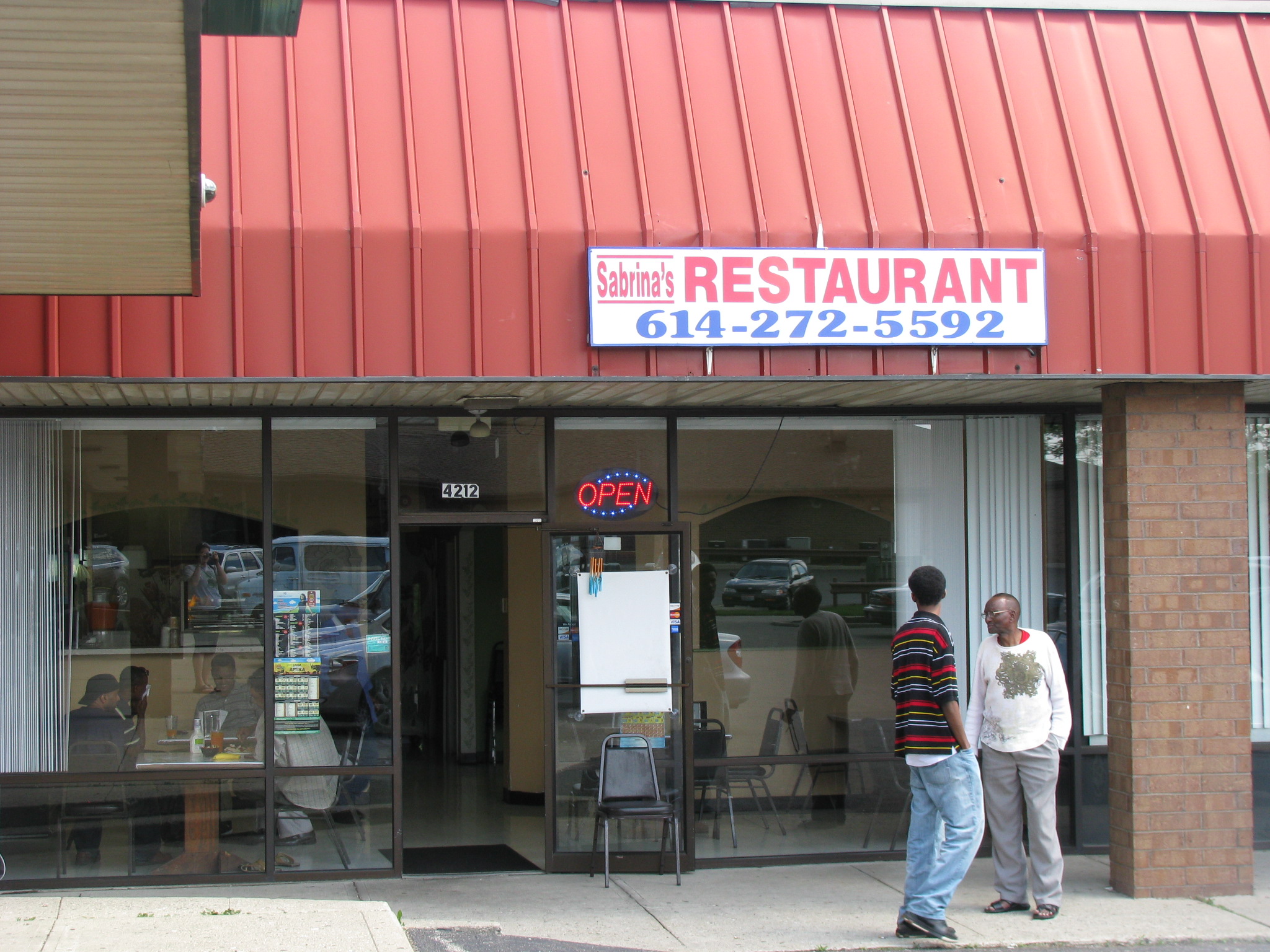
Sabrina’s Cuisine


Cuisine: Somali / Kenyan
4212 Westview Center Plaza (just off Georgesville Road)
614.272.5592
Hours 10am-9pm daily

Click here to map it!

Most of the Somali restaurants in Columbus are clustered near Cleveland Avenue, but there are 3 or 4 outposts on the West side of town. One of these is Sabrina’s. Tucked away off Georgesville Road, it is a small cafe run by a Somali family who made their way to Columbus via Kenya. Sabrina’s has a limited menu and seems part restaurant, part coffee shop.

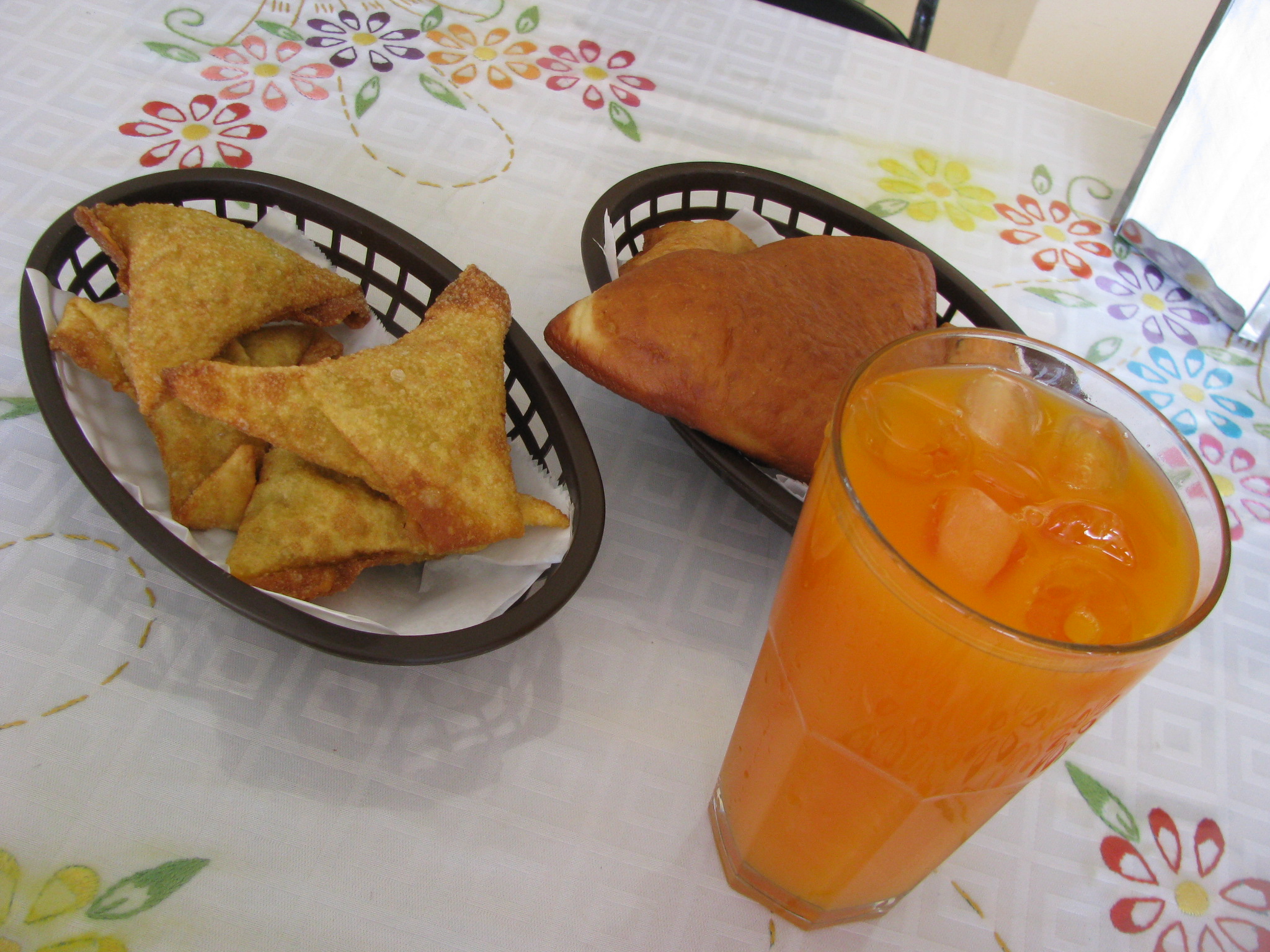
Most of the menu is made up of seven appetizers, and those available (four on the day we visited) are displayed in a heated display case. We started with a mandhaazi, which we were told was a Kenyan speciality (the only one on the menu). A mandhaazi (above, right) is similar to a donut – a triangular fried bread, not really sweetened, and best, I’m sure, when both fresh and served with tea or coffee.


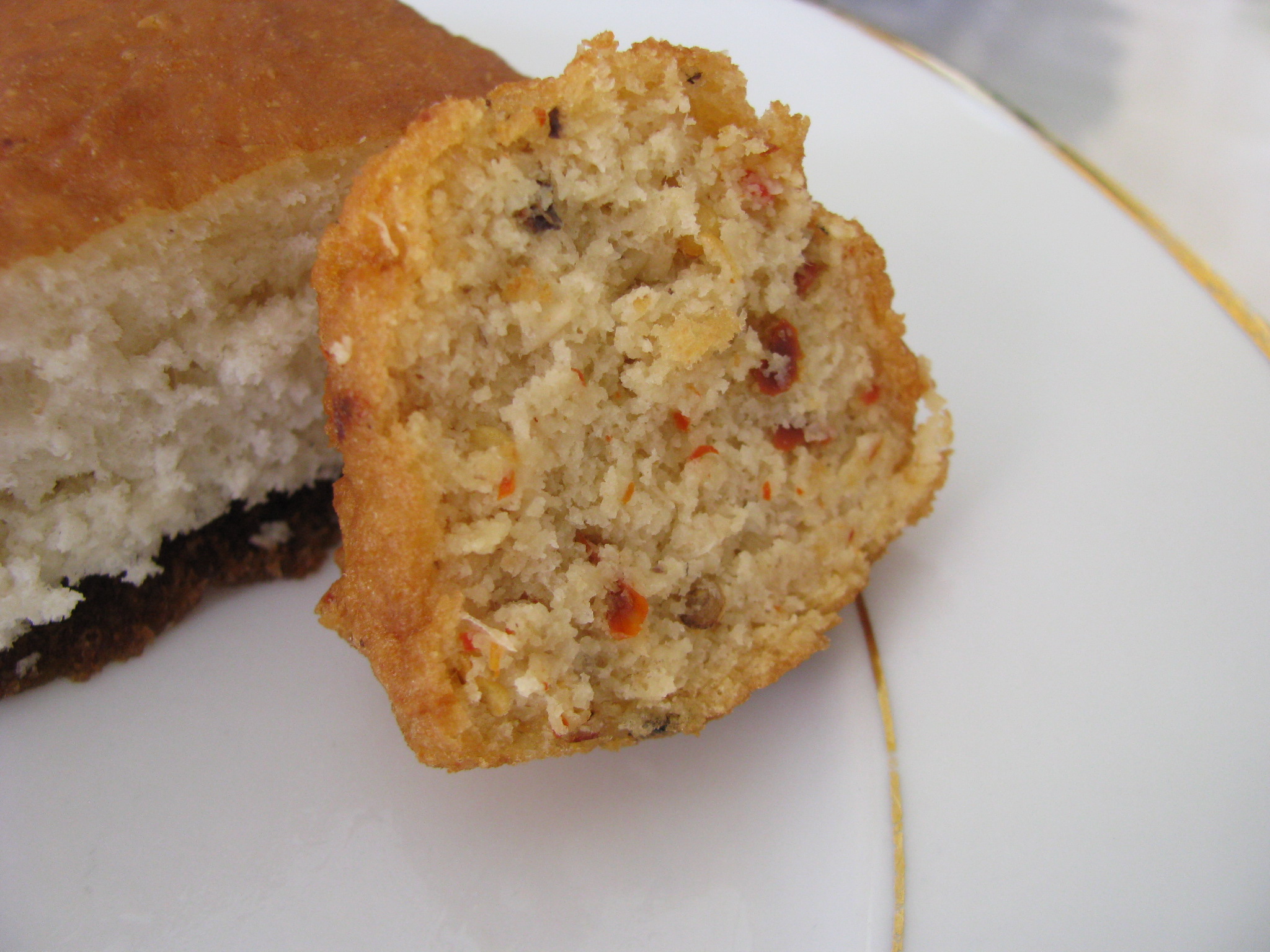
Next were bajiya which the menu describes as ’round stylish bean mash, mixed with saffron recipes and deep fried’. It seems that these are commonly made with black eye peas, but I am not sure what the bean was in this case. We were not able to detect the saffron but it seemed to contain some red pepper. It was reminiscent of falafel, but drier and would have benefitted from some sort of dip or chutney.

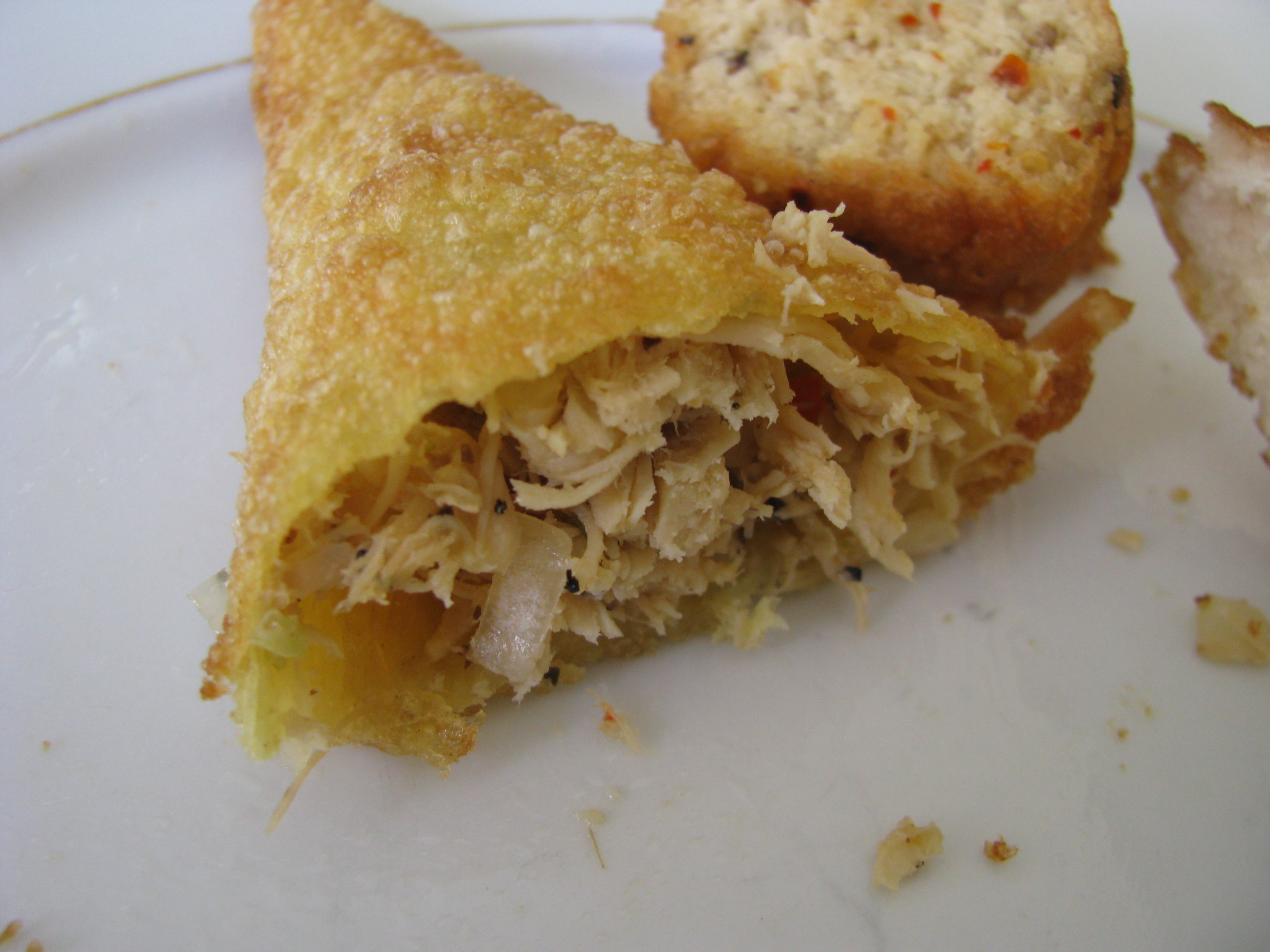
The sambusa’s were easily our favorite appetizer – crispy fried shells filled with shredded chicken, onion, and garlic and well spiced. According to the menu fillings vary and fish and meat sambusas are also available. I was a little disappointed not to be able to try the najakho (boiled egg enveloped in mashed potato).

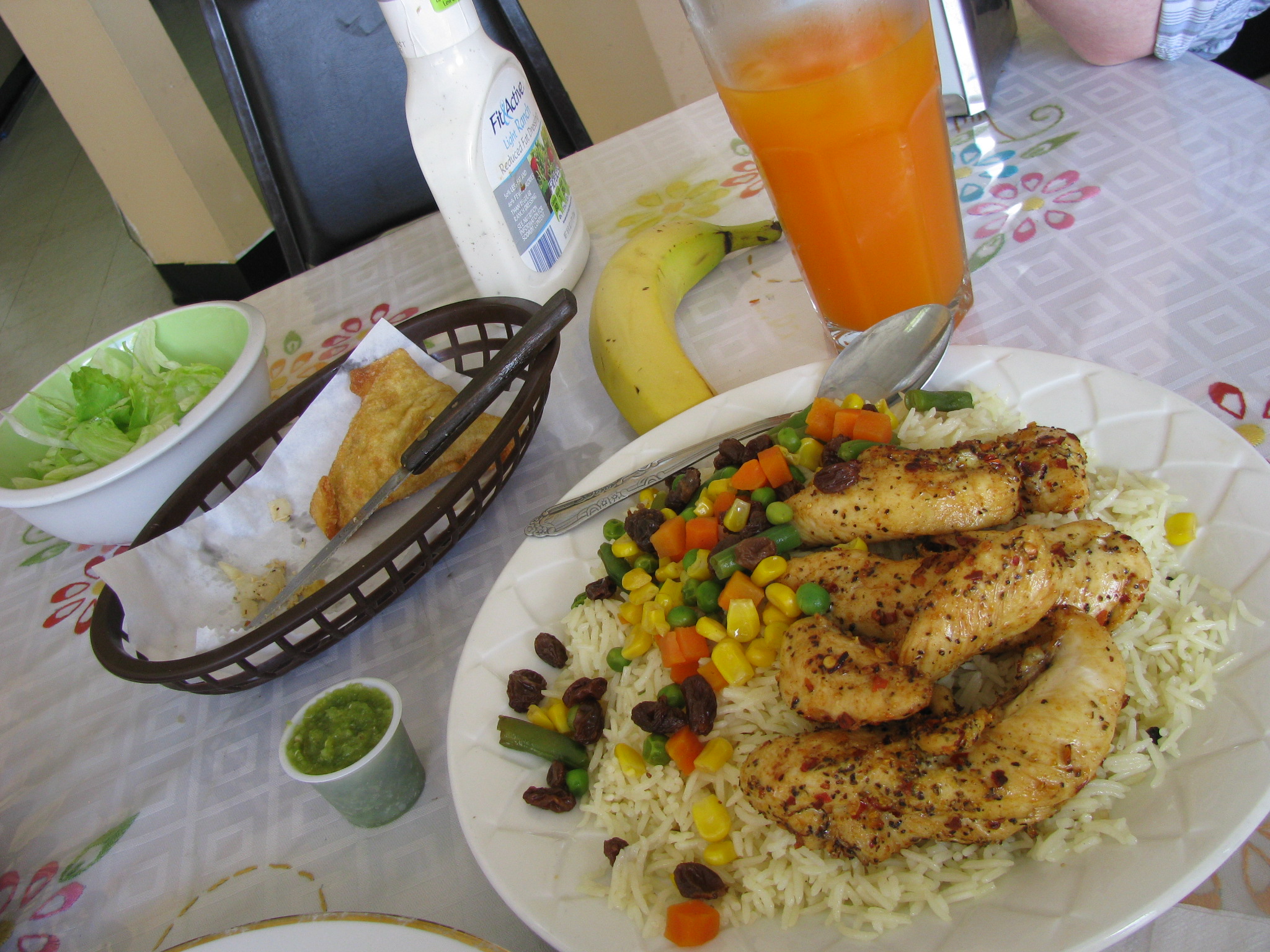
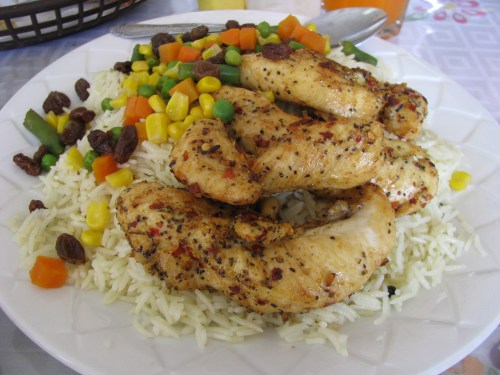
As with other Somali restaurants we have found that the menu only loosely reflects what is available. The menu lists three main dishes: steak sub, chicken sub and baked chicken with rice, but we were told that we could have meat, chicken or fish with rice. We opted for the chicken with rice which also came with a small iceberg lettuce side salad and a banana. The chicken was extremely moist and heavily seasoned with black pepper and cardamon. The rice was also cooked with cardamon. We were also given a small dish of a green chili chutney. I found this simple dish satisfying but not overly exciting.

Sabrina’s is a sound but limited Somali option for west siders. As is usual with Somali cuisine, vegetarian dishes are not well represented, although the bajiya and mandhaazi were meatless.

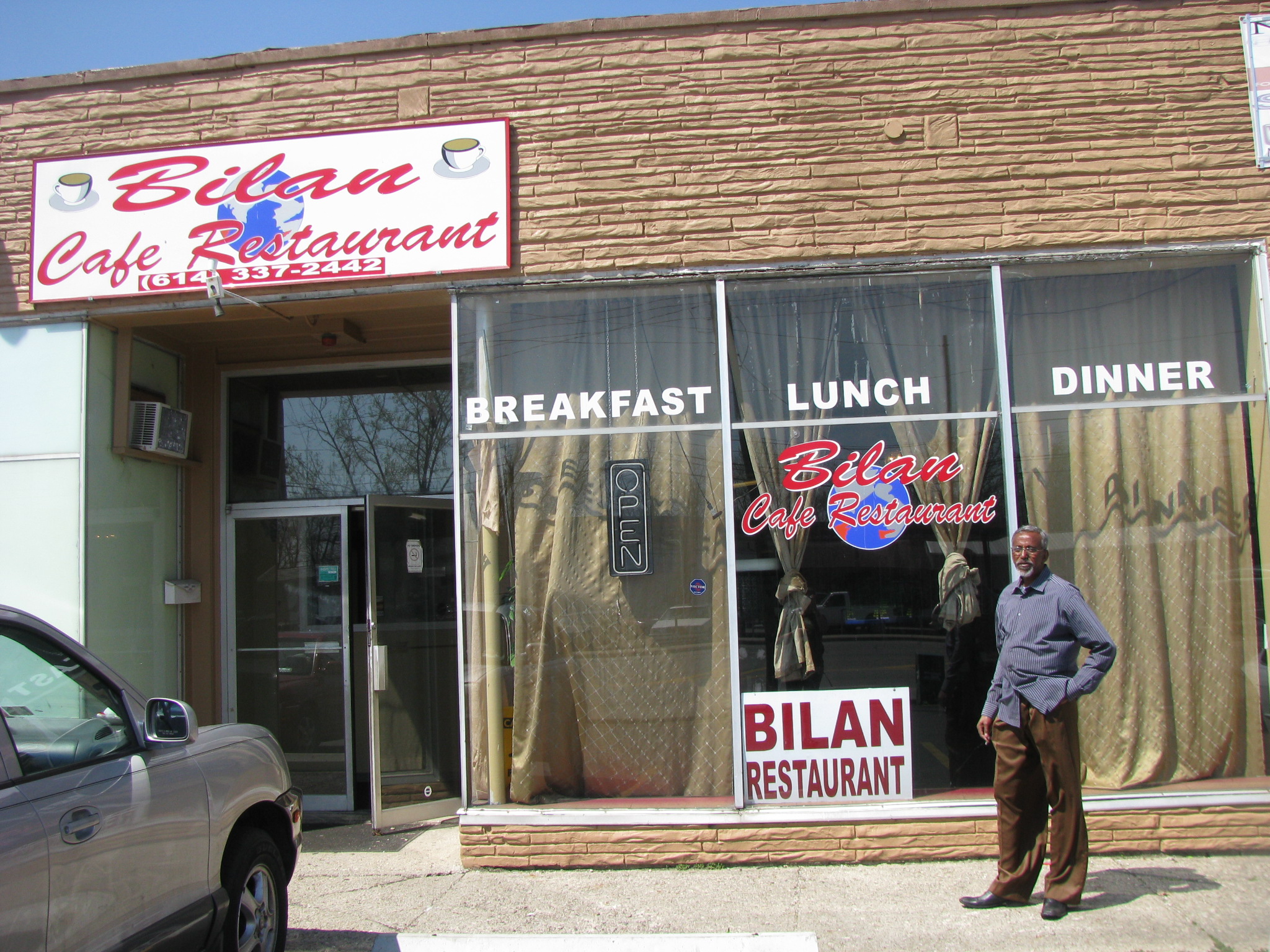
Bilan Cafe Restaurant

Cuisine: Somali
3949 Cleveland Avenue
614.337.2442

Click here to map it!

“You open?”

A nod indicated that they were.  Couldn’t have guessed from either the exterior signage or the lack of lights on inside, though it was 12:30 and we’ve come to believe lunch is the ideal time to dine at Somali restaurants.

We seated ourselves in the basic but clean dining room and were served complimentary mango juice and bottled water. Inspecting the menu revealed a relatively modest assortment of the usual suspects… plus a few new to us.  We asked about some of the unfamiliar items.

“We don’t have that today.”

…which brings us to the default approach we’ve come to fall back on at Somali restaurants – just ask ‘whatcha cooking today?’. After a brief discussion with our server, we settled on goat with rice, KK, and their recommendation for a substitution on a chapatti-based menu item (we weren’t told the dish’s name).

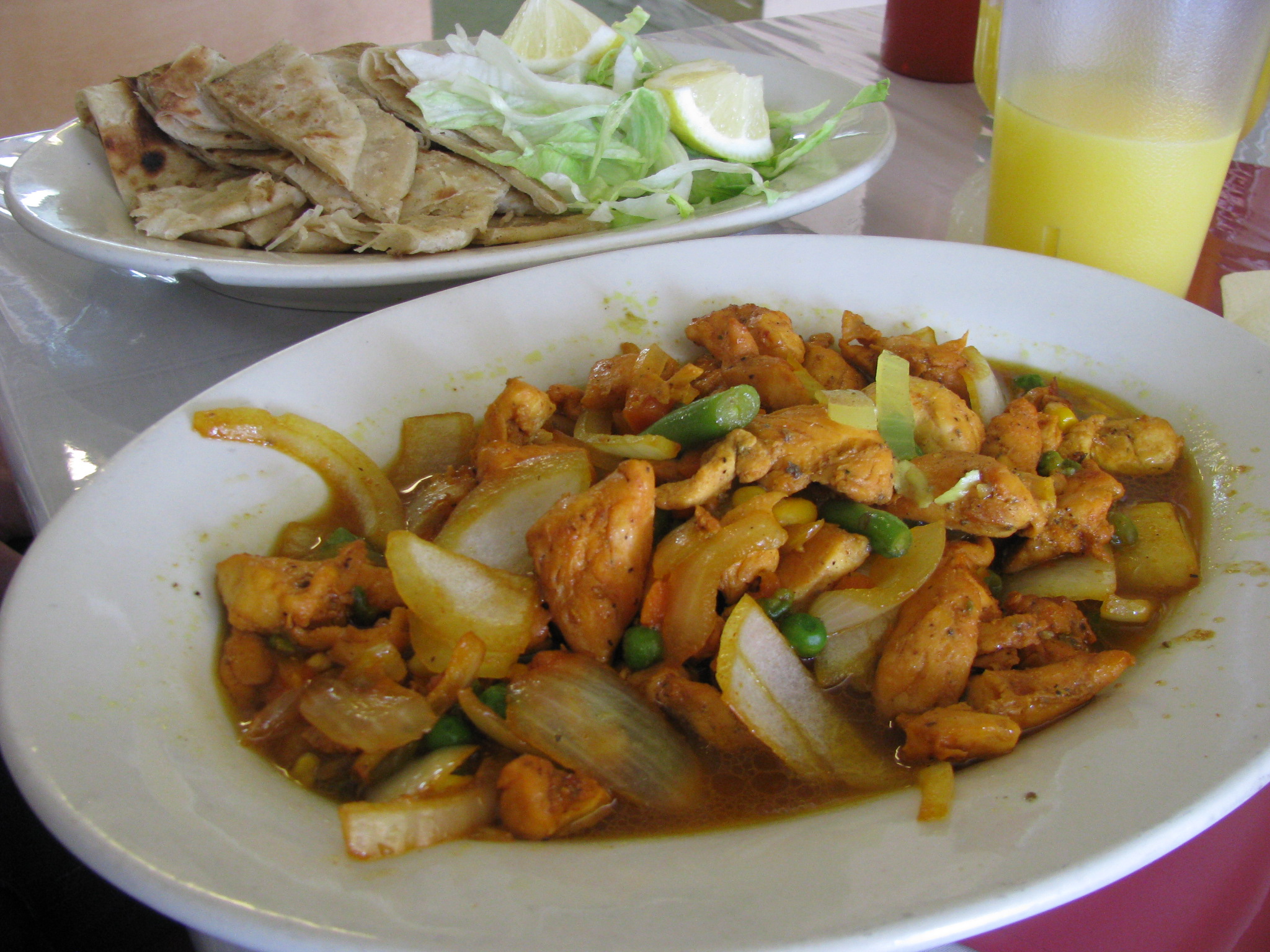
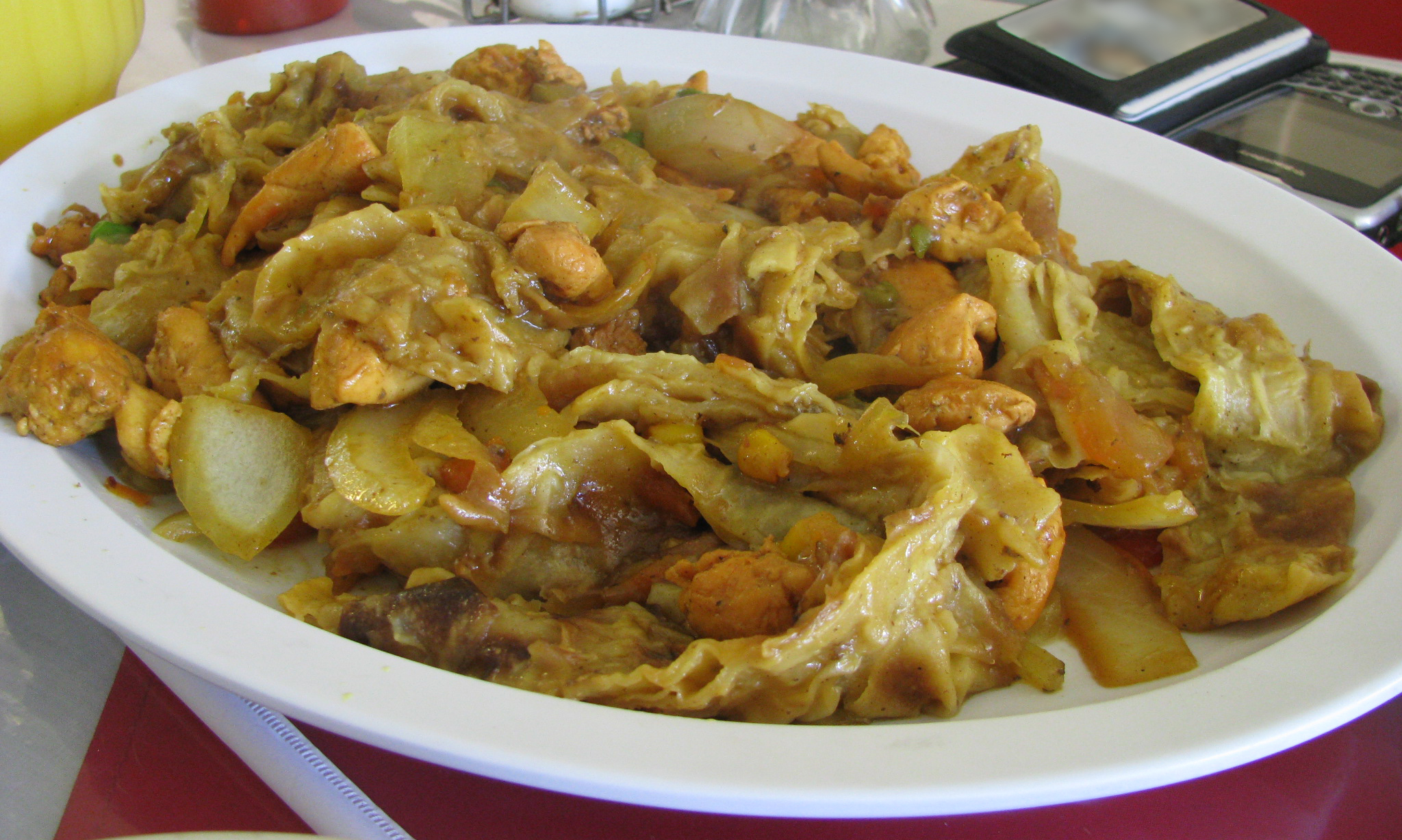
The ‘dish with no name’ came out first – a nicely seasoned chicken dish with onions, green beans, sweetcorn and peas in a mild curry-like sauce. It came with chapatti strips (which we used to pinch morsels from the chicken dish), iceberg lettuce, and lemon wedges.  The chapatti was a bit on the tough side, but the chicken was roundly appreciated.

Next we tried the KK (chapatti strips cooked with chicken and vegetables).  This was more like Banadir’s (curry-esque) than Calanley’s (tomatoey), but less well received than either – just a bit too mild, and slightly on the gluey side.

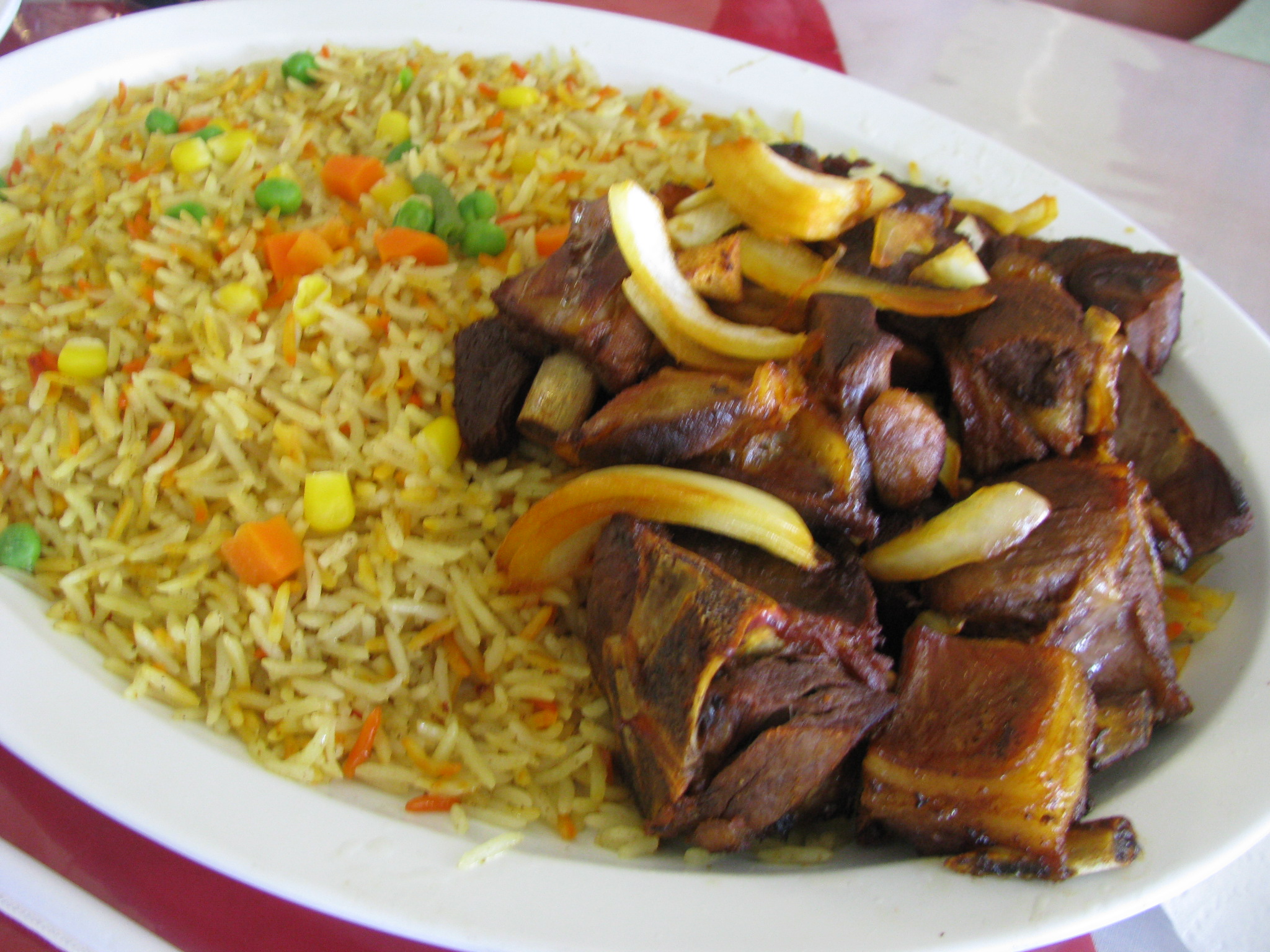
The goat was good in varying degrees – from bite to bite,  it could be anywhere between ‘eh, not bad’, and ‘damn that’s a thing of beauty!’.    When it shined, it was a tender piece with plenty of the exceptional curry flavor.  The meat was bone-in, topped with sauteed onions and plated with a generous portion of a nice basmati rice.

As we went up to the register near the kitchen to pay, we looked back upon a much-changed dining room.  Lights were on, people were everywhere. It would appear as though their unofficial opening time was somewhere around 1:00pm.

Bilan’s service is friendly, if perhaps a bit slow.  As with most Somali restaurants, there appear to be few vegetarian-oriented dishes.

Note – chapati, jabati, chapatti… ?  Transliteration would appear to be an inexact art, especially when dealing with the less well established cuisines.  In this blog, all italicized words are copied straight from the menu of the restaurant being reviewed.

Safari Coffee

Cuisine: Somali
3414 Cleveland Avenue
614.262.2811

Click here to map it!

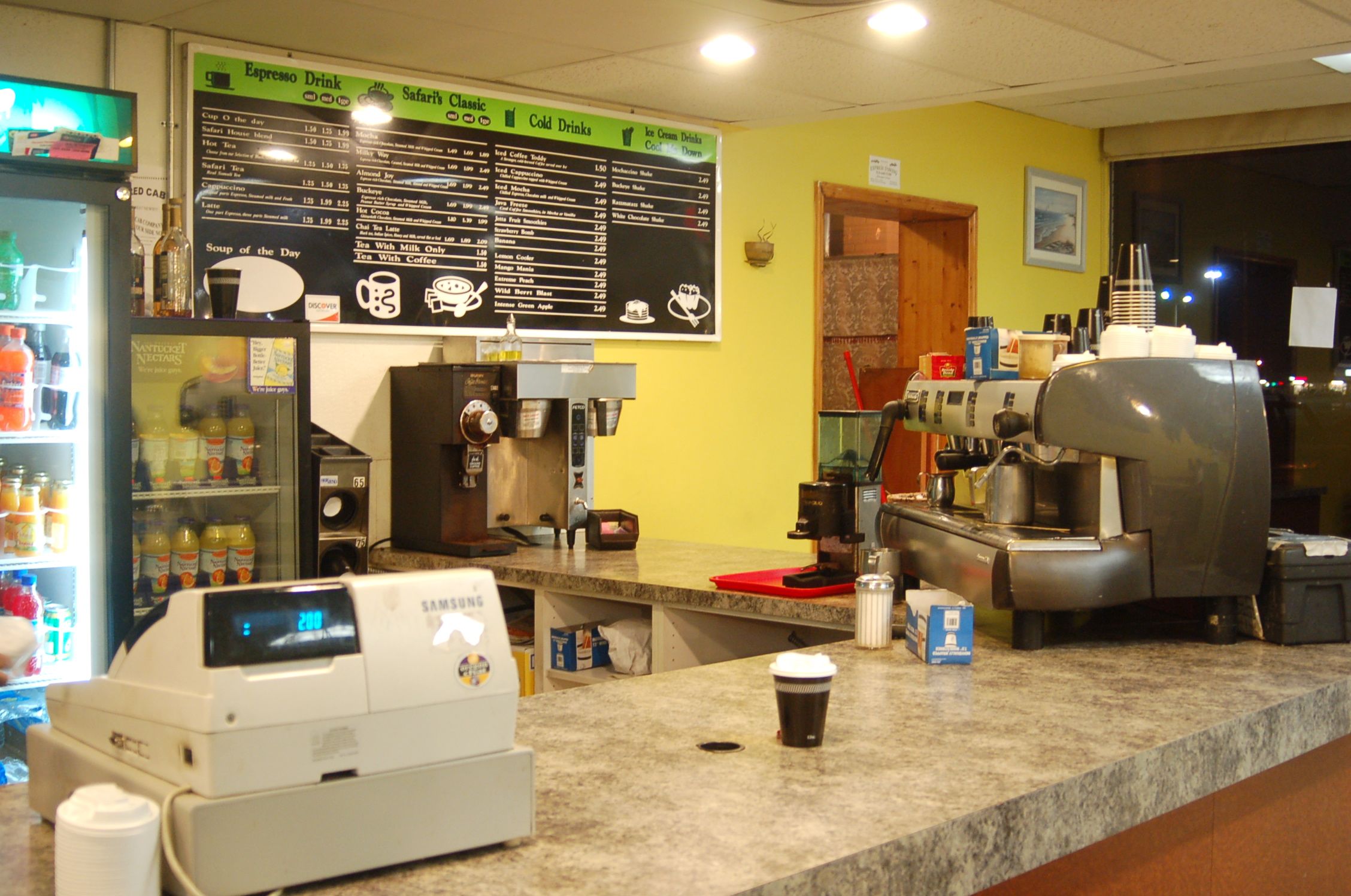
We visited Safari Coffee late on a “school night” which made the majority of the Somali portion of the drink menu off limits, as they were mostly caffeinated coffees and teas. This was just a small speed bump in experiencing the wares of the brightly-lit joint; while drinks were a no-no, desserts were totally okay. Which is good, because I like desserts.

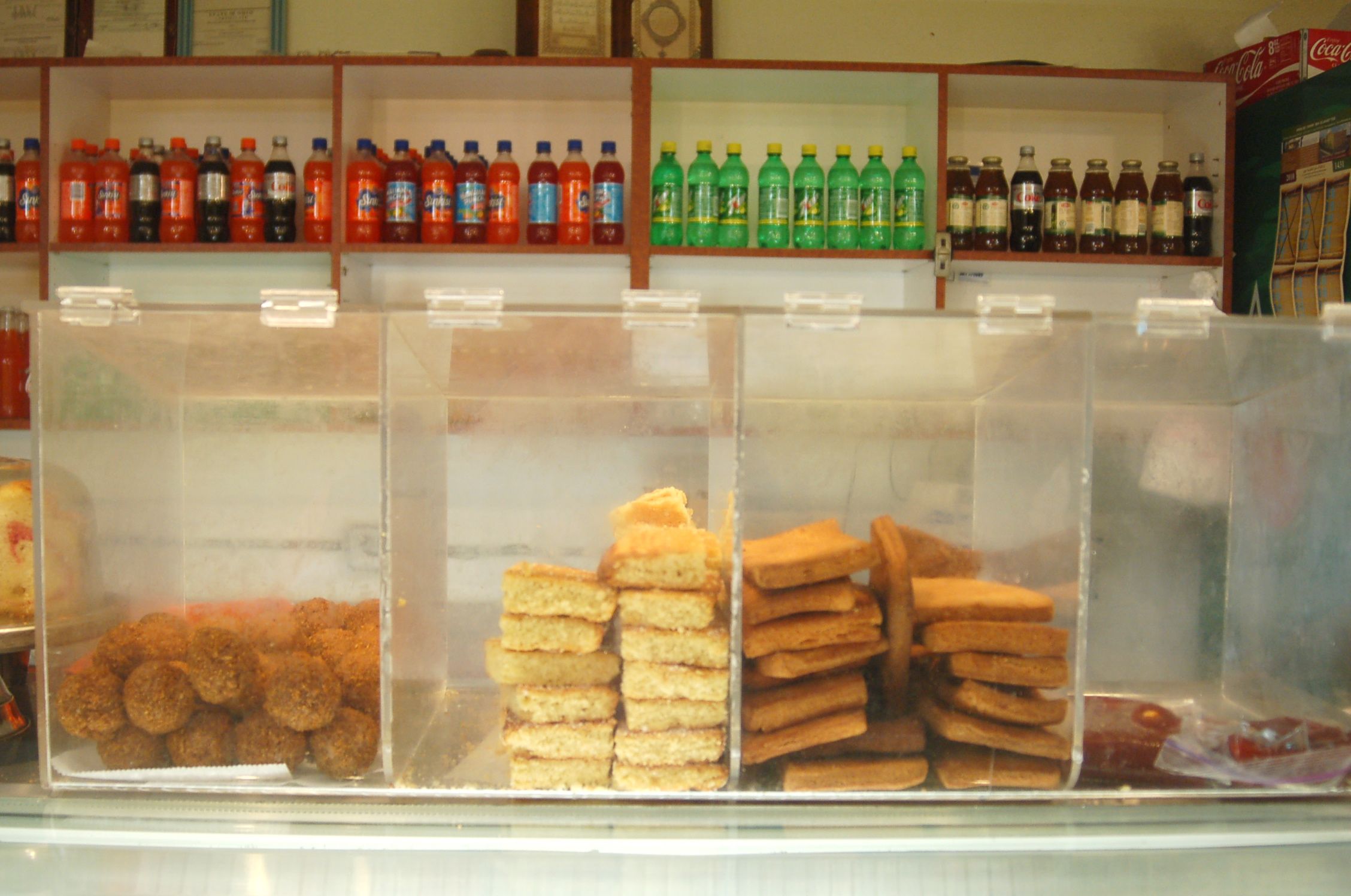
Four unmarked desserts were available for my consumption, and as we were a small army of what our previous restaurant referred to as “Caucasians,” there was a high probability that we could try all in one sitting.

As far as ambiance goes, Safari Coffee, at the corner of Cleveland Ave. and Innis Rd., has the looks of many Somali places throughout the city: fluorescent lighting, a television showcasing Al Jazeera, bright colors and a very clean feel.

Throw in smoothies and all sorts of western soft drinks, and you have a comfortable stepping point into Somali cuisine for the cautious-yet-curious.

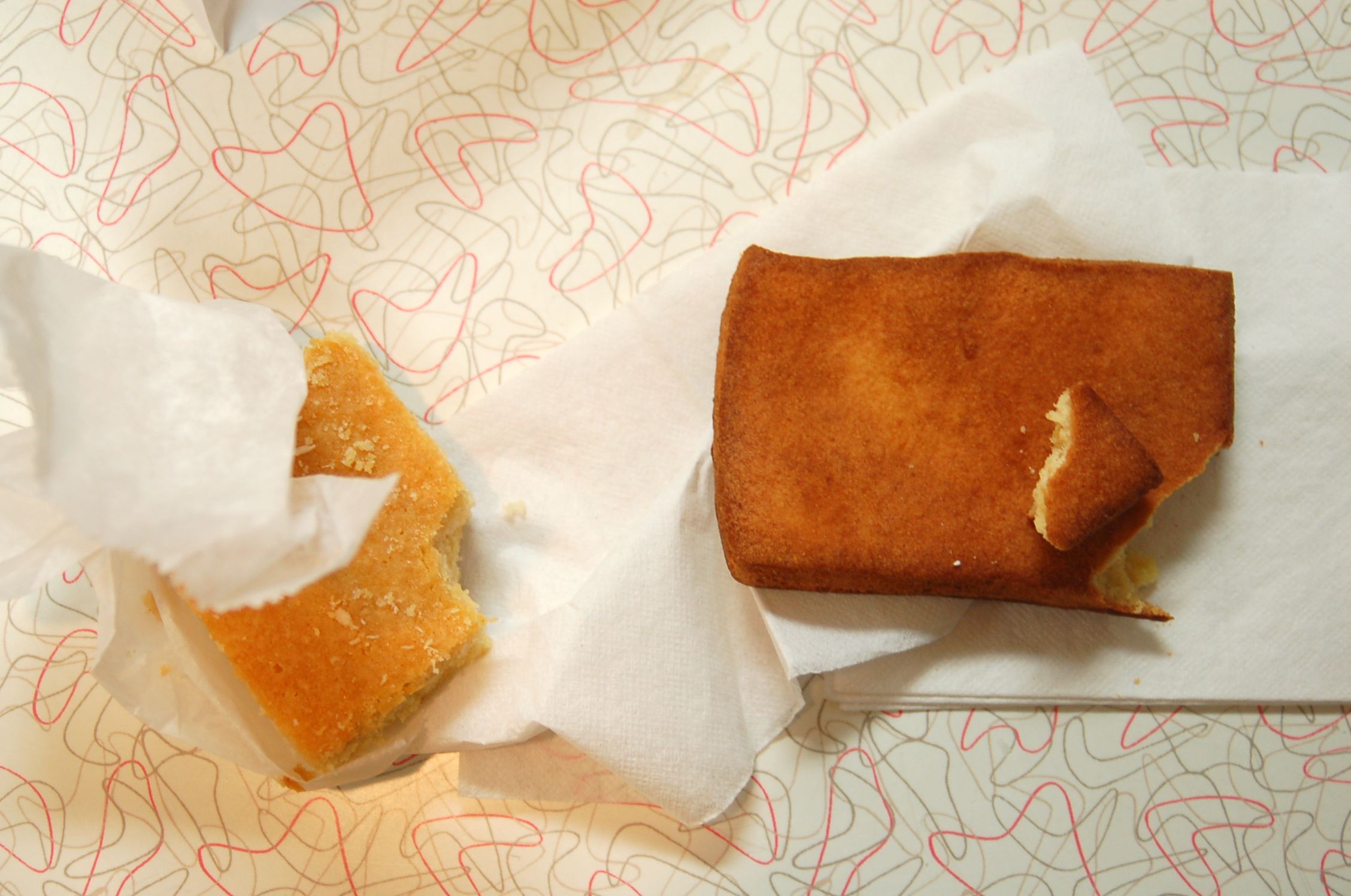
Two of the dessert offerings, pictured above, were quite “safe,” even for the non-adventurous. To the left is qumbe, a close relation to the macaroon. This moist bar cookie is made up of coconut, sugar, milk and flour. On the right is a lightly sweetened cookie, subtle in flavor and similar to a biscuit one might have with tea in England. The antithesis to overly-sweet American desserts, this cookie was a tiny bit dry, meant, of course, to go with the caffeinated drinks that I didn’t order.

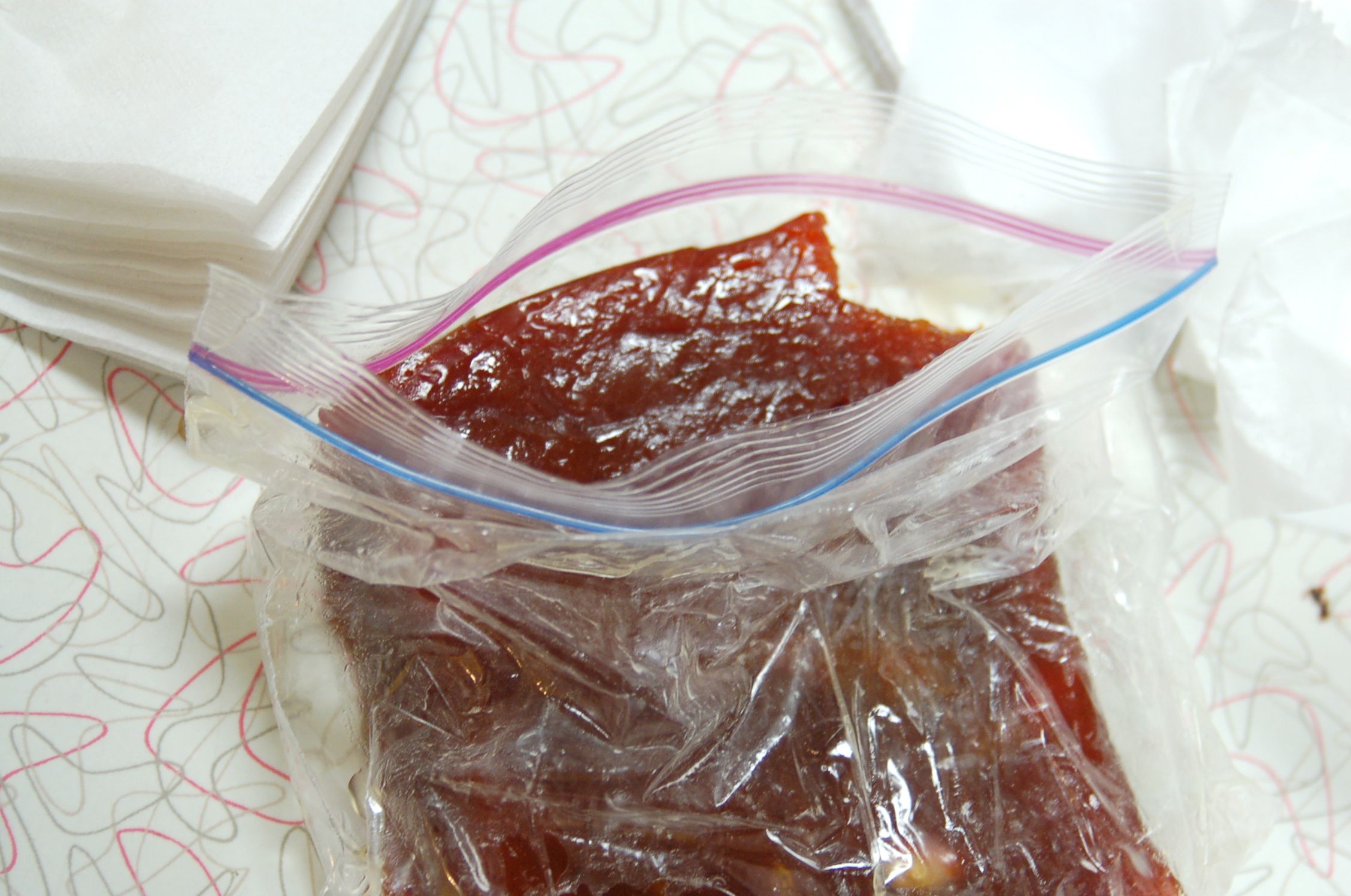
And then there’s this. When I first saw it in the dessert case, I thought it looked like some sort of animal part – a liver or a heart, perhaps – served in a ziplock bag. I kept this opinion to myself and strongly lobbyed for someone else to order it, so that I could try it, yet not feel obligated to finish it. Halwa, as its called, is like a hardened jello without with gelatin. (Vegetarians, this dessert is likely safe!) The dish is made up of sugar, cornstarch, peanuts and spices like nutmeg, cardamom and saffron. I found that it tasted a little like ginger snaps, and nothing like animal parts.

And so. Somali food isn’t all just goat meat and unfamiliar spices, especially when you start with dessert.

Calanley Restaurant

Cuisine: Somali
3149 Cleveland Ave.
263-3530

Click here to map it!

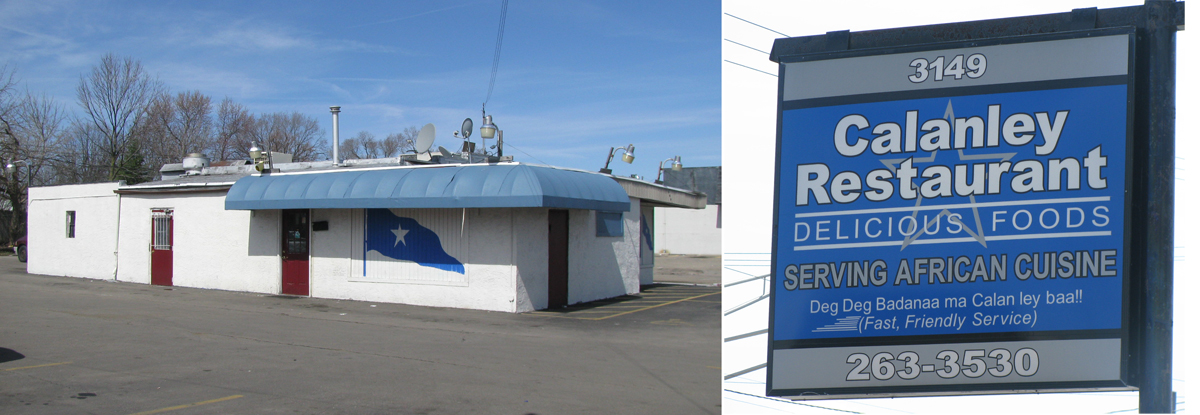
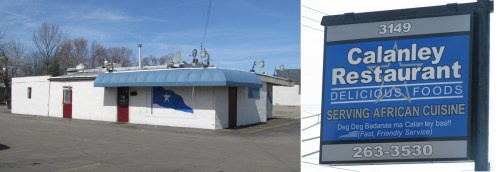
Having driven past Calanley quite a few times, we’ve always felt a vague sense of unease about the place based upon its exterior appearance – there’s just something foreboding about the windowless building.

This unease appeared to be mutual, at least at first – it seemed as though Calanley may have never served non-Somalis prior to our visit. We definitely sensed a bit of anxiousness initially.

Especially from the poor man at the counter… our presence seemed to completely blindside him. His job was to take our order, and he seemed frustrated by, at minimum, our shared inability to bridge the language divide.

Thankfully, frustration led to resourcefulness.  He tapped an English-speaking Somali customer for assistance, and called on an English speaking employee from the kitchen. With their help, everything came into focus.

Turns out that Calanley is primarily frequented by regulars – unsurprisingly, almost all Somali. These customers know the offering (and the language), so there is little use for a menu. An out-of-date English-language menu was searched for and found, though, and after a few tries we managed to select items off of it that were still currently being served.

We ordered the ‘chicken steak’, KK (kimis & kalaankal), and Ethiopian anjera with beef stew, and took our seat.  Complimentary bananas, juice, and bottled water came out shortly thereafter.
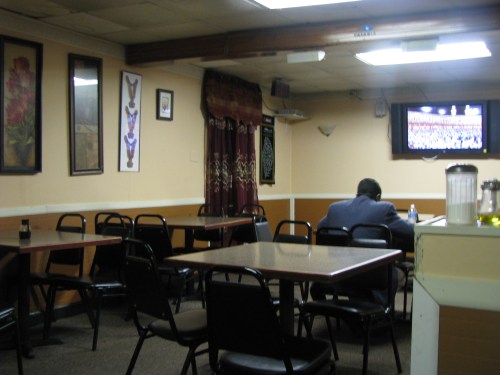
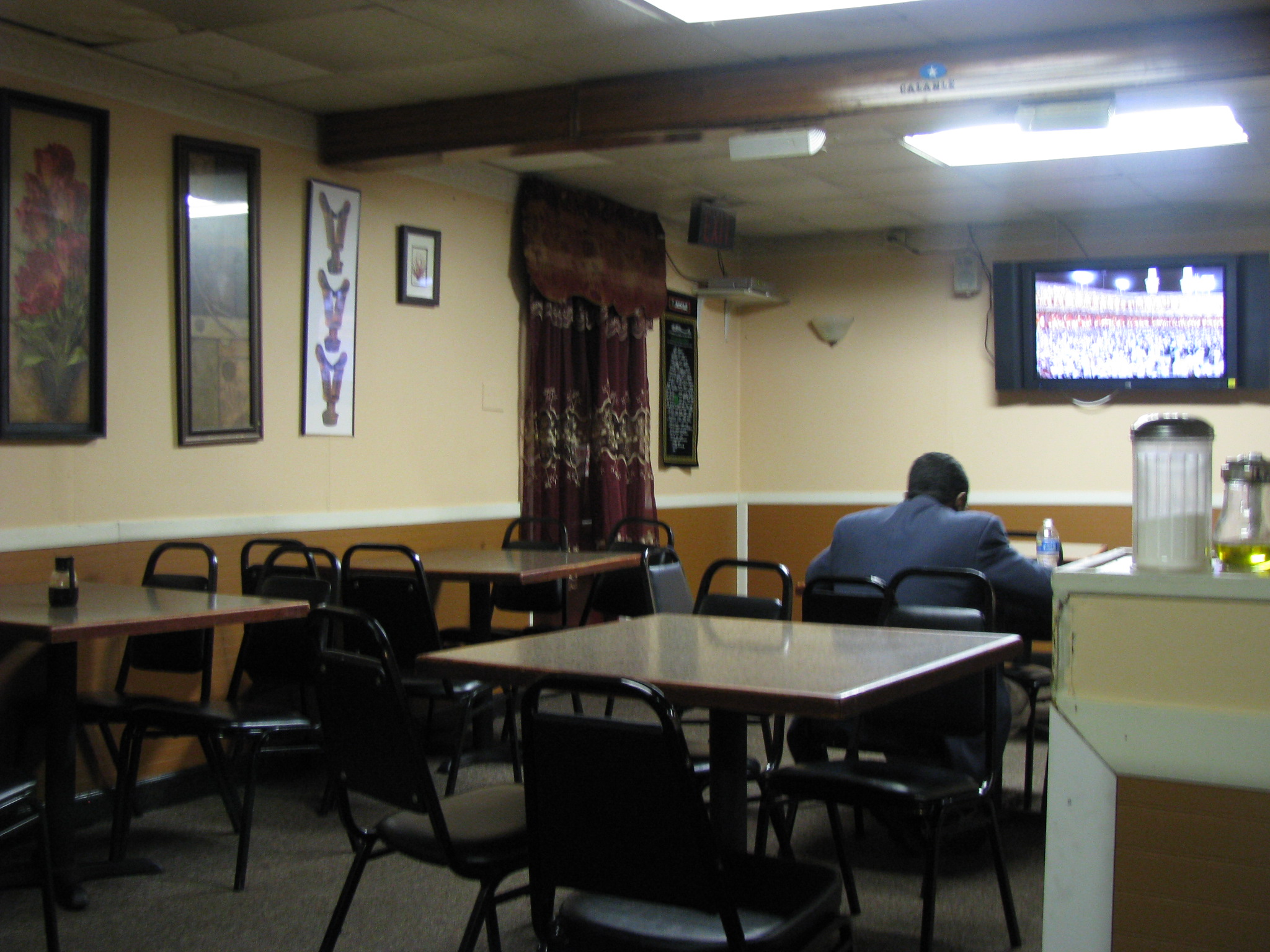
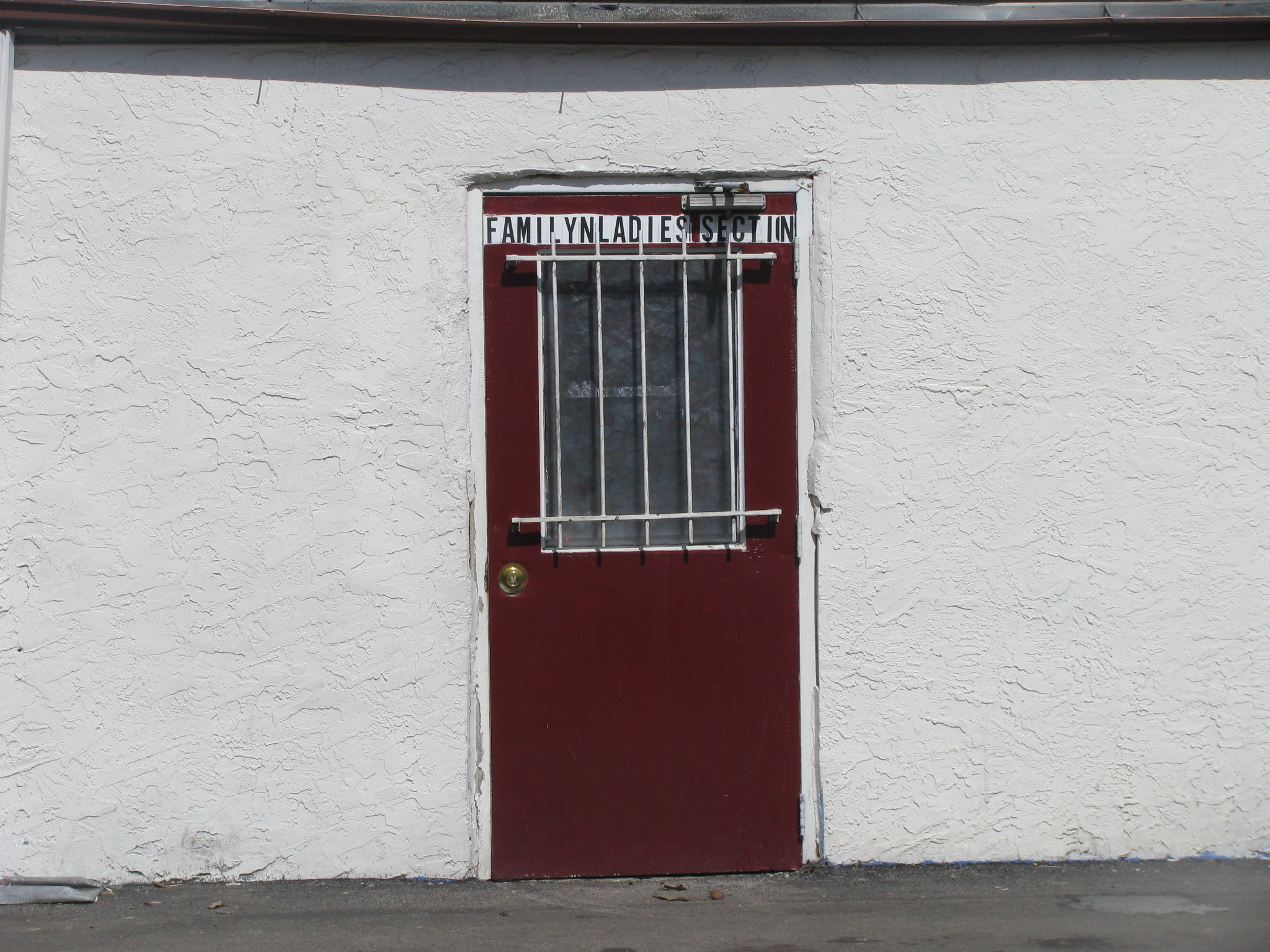
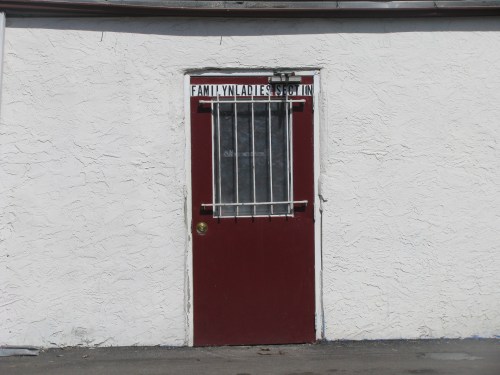
Calanley’s interior is basic, and the ambience was based largely around a television playing what appeared to be recordings of prayer ceremonies during the hajj.  This led us to recall that there was a separate exterior entrance for ‘families and ladies’ that opened into another smaller (closed off) dining room… we wondered if our female dining companion’s presence in the larger dining room might be causing distress.  We concluded that it probably wasn’t, at least if the remainder of our time there was any indication.
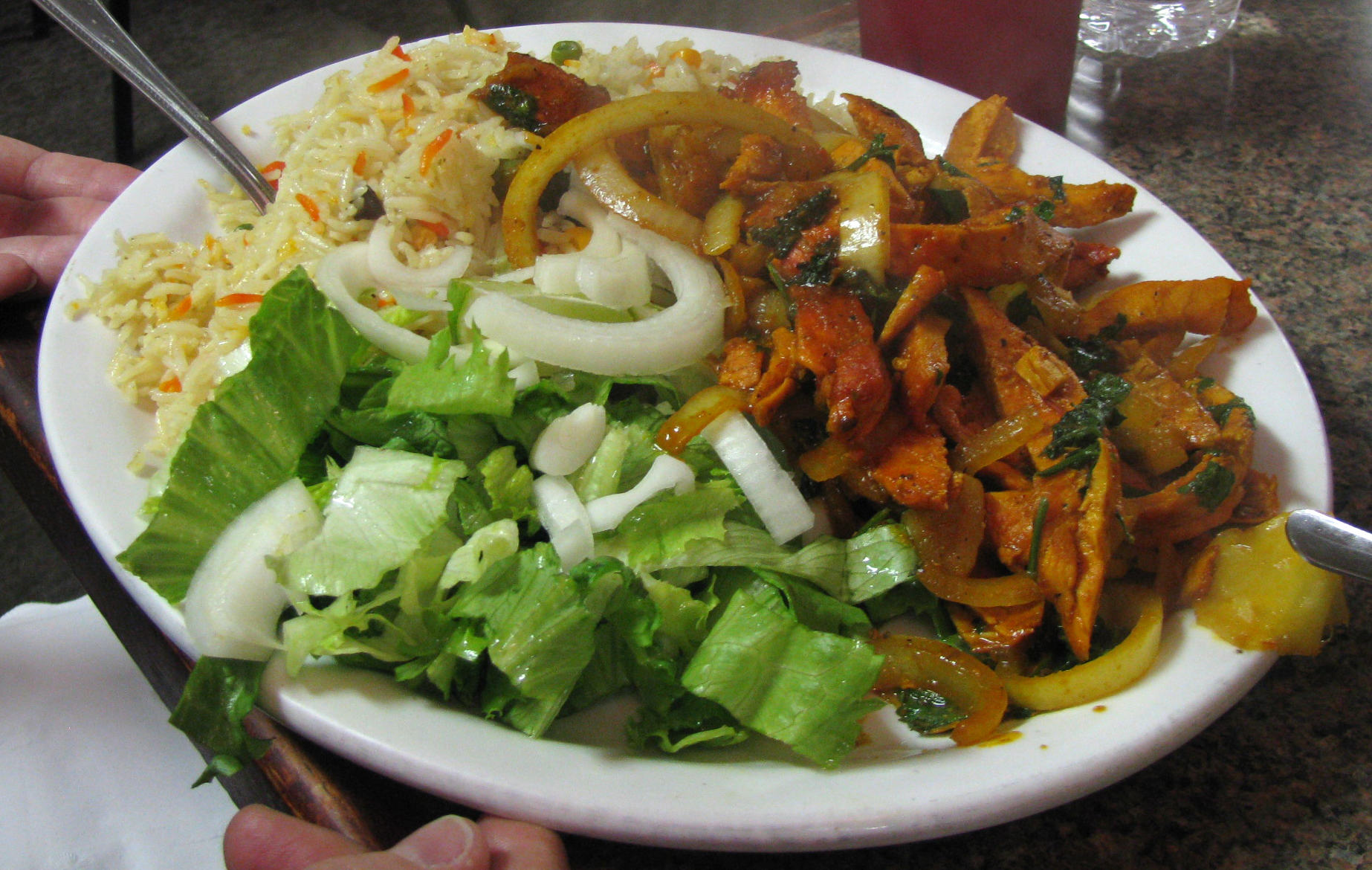
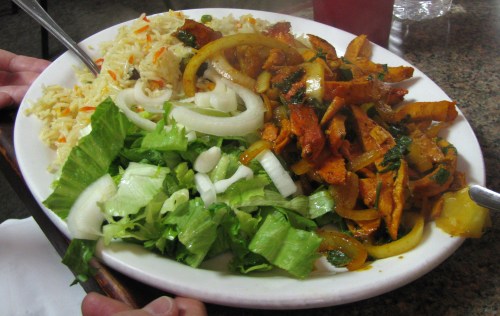
Our meals arrived quickly, and as seems to be the norm with Somali restaurants, portions were generous.  We tried the ‘chicken steak’ with rice first. This was very similar to African Paradise’s chicken preparation, which is to say it was cut into strips and similar to an Indian tandoori mixed with sauteed onions.  Roundly enjoyed.
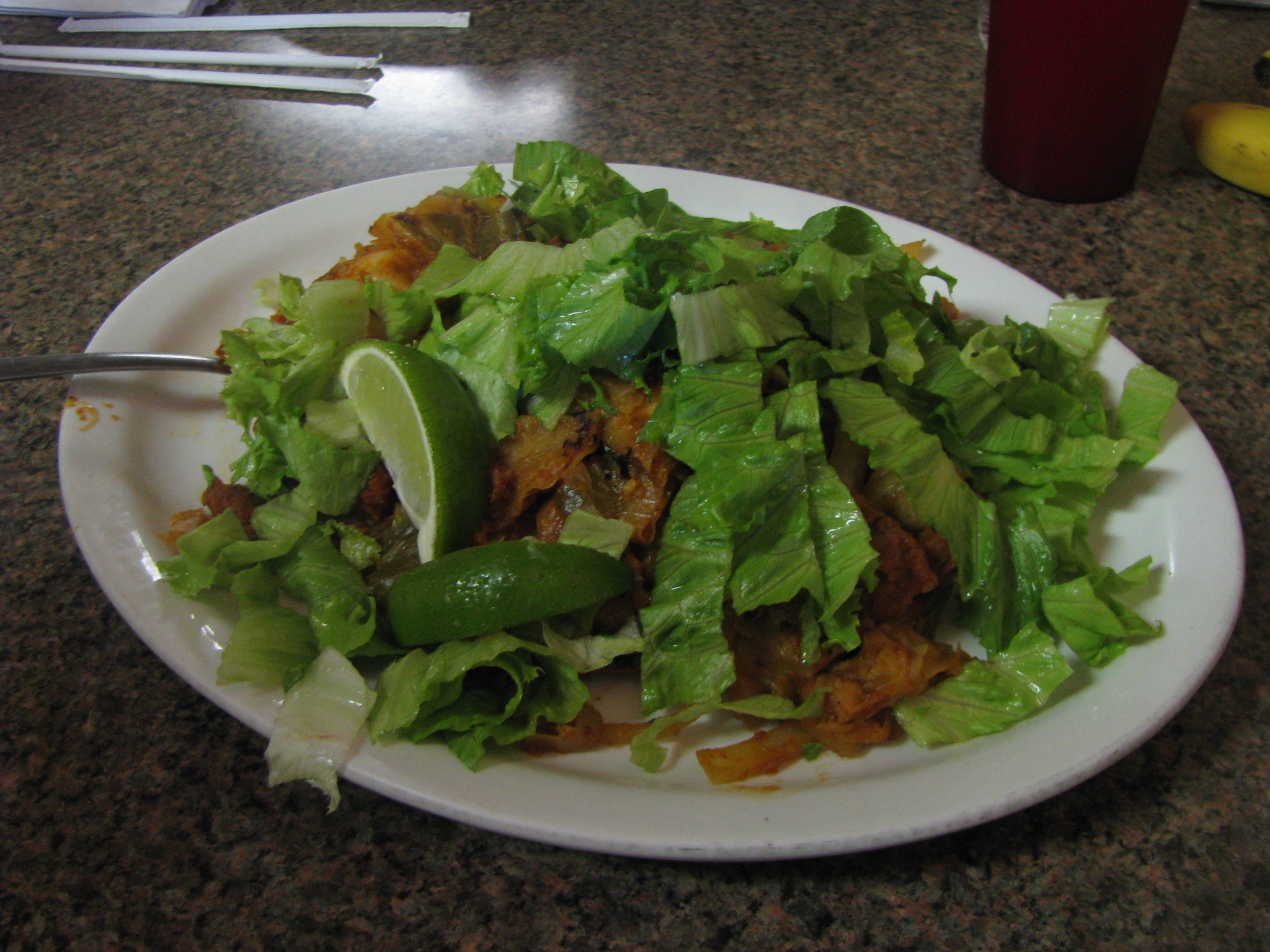
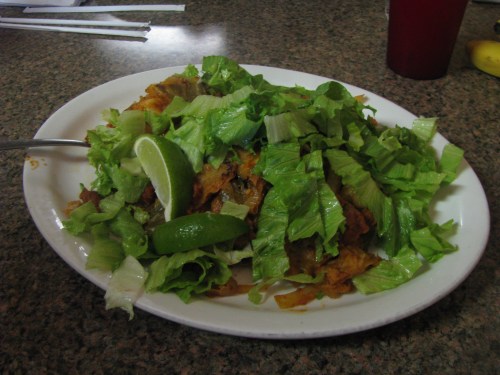
Next, the KK.  In some of our early research, we came across a thread on a Somali web forum that discussed Somali food/restaurants in Columbus.  In it, Calanley was widely thought to be *the* place for KK.  Underneath the lettuce was kimis (thin strips of flat bread) and kalankaal (seasoned cubed beef) mixed together in a thick, tomatoey sauce. We found it to be enjoyable, but perhaps a bit less so than the chicken.
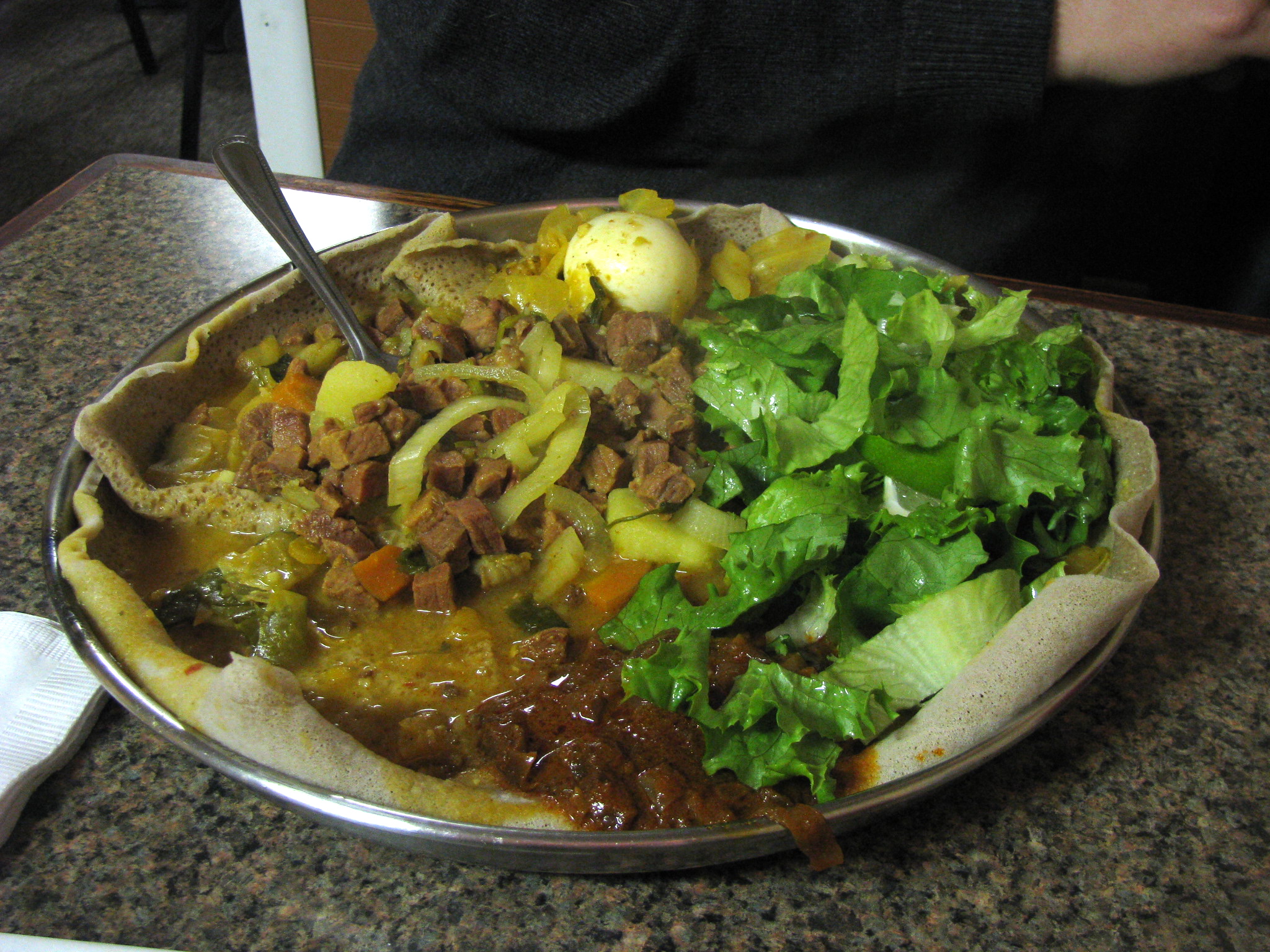
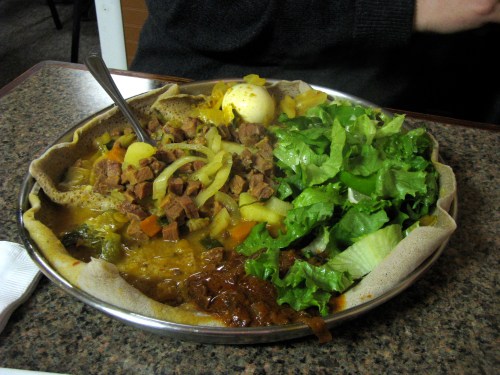
Finally, we tried the anjera with beef stew.  This was quite a spread – stew, salad, a wickedly spicy hot sauce, and a hard boiled egg, all atop a massive piece of anjera (also known as injera, a spongy Ethiopian flat bread).  The anjera seemed a bit on the mushy side, and the stew was fine if unexceptional… we probably wouldn’t build a return trip around it.
While we walked in to an atmosphere of concern at Calanley, we left to smiles.  We liked the place, and appreciated the efforts they went to in accommodating us.  Once we were able to express our interest in their food, everything else fell into place.  Suffice it to say that any cultural observations above (as with all cultural observations on this blog) are recounted solely for the purpose of providing practical insights for the uninitiated.

We were unable to evaluate the vegetarian friendliness of the offering due to the menu situation, but all dishes discussed contained meat, as seems to be the case with Somali cuisine more generally.  There was nothing posted to indicate halal preparations, but we’d wager it probably all is.