Erawan Thai

Cuisine: Thai

3859 Refugee Rd.
614.237.9310
Open: 7 days/wk, 11am – 9pm

Click here to map it!

With a name like ‘Erawan’, it has to be good. Or so went our thinking – Erawan is the name of a minor shrine in Bangkok, Thailand, and to saddle a restaurant with what amounts to a near-unpronounceable name for english speakers that relates to an almost unknown location to anyone outside of Thailand is to show a genuine fidelity to origin. We couldn’t help but expect that that would manifest itself in the food.

This sense was confirmed when our thoroughly accommodating and knowledgeable server suggested that our meals would be best accompanied by sticky rice – a glutinous rice that is indeed sticky, with larger grains and a slightly nuttier flavor. Thais, particularly in the northern region of Isaan, use it much like Ethiopians use injera bread – in lieu of utensils, they grab a ball of it and use it to pinch morsels from dishes.  You don’t see this option very often around here.

The Isaan influence makes sense – Erawan is run by a Thai and a Lao, and Lao cooking is often very similar to Isaan style cuisine. And, as Laos is also influenced by neighboring Vietnam, you’ll also find pho here (which, if Yelp reviews are anything to go by, is supposed to be quite good).

But, we came for Thai, and Thai is what we had. Here’s how it went down:
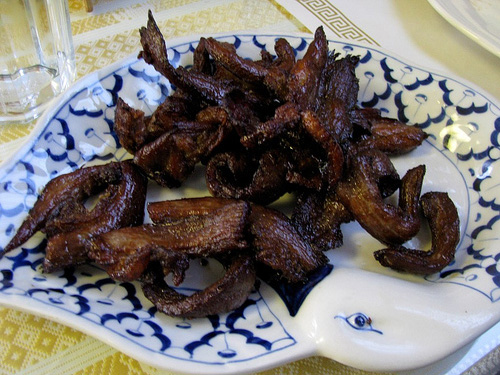
First we tried the beef jerky appetizer. We’ve eaten this at Thai restaurants on numerous occasions previously, been a bit confused by the name (it doesn’t seem like jerky!), and finally on this visit got some answers from our server: it’s a marinated beef that has been left to rest and drain for around 3 hours and then deep-fried. So, not jerky as we know it, and certainly not health food, but absolutely delicious with a bit of sweetness, strong lemongrass notes, a slight crispness, and an overt beefy flavor. It was gone in no time flat.

Next came the papaya salad with salty crab. We asked for maximum spicy heat (which is the norm for this dish), and we got it. We also got crunchy shredded green papaya in a citrusy sauce with deep fish sauce flavor, studded with peanuts, garlic, bits of crab, and intimidatingly large flecks of chili. We enjoyed it very much, were impressed by the authenticity, and I’ll just end this sentence by observing that the fish sauce is both potent in aroma and flavor and therefore may not be everyone’s cup of tea. But make no mistake, you’re getting the real deal here.

The yum nuea arrived next. Essentially a cold beef salad with a sauce similar to the papaya salad, it demonstrated the wide range of flavors – sweet, salty, and sour – that the dish is known for. Unfortunately, the beef itself was surprisingly gristly. Perhaps a bit too authentic in that respect?

As we dug into the pad gar pow, the first person to speak simply said, “oh, yeah.” At Erawan the choice of protein is yours, and we ordered ours with ground pork, which was completed with plenty of sweet basil, chili, and garlic sauce. Again, the execution was dead-on, and thoroughly enjoyed.  This is one of the big flavored Thai dishes that is easily accessible even in its most unadulterated form.

Finally, we tried the pad see ew, which was… incongruously odd, both for better and worse. On the plus side, it had a deeply meaty flavor that, while distinctly unlike any other pad see ew we’ve tried, was nonetheless roundly enjoyed on its own merits. On the down side, the noodles were overcooked and yet lacked the dish’s signature ‘essence of pan’ (the sootiness that comes from residual bits of prior dishes).

But never mind that last dish. We’re excited about this place, and can’t wait to try more. As Erawan has just recently opened, the occasional misstep is understandable. Prices were very reasonable, with apps ranging from $3.25 – $7.00, and meals from $7.00 – $13.00 (with most under $10.00). Service was exceptional.

La Favorita

mexican food columbus

Cuisine: Mexican

Sawmill Center Shopping Center
(approximately 7370 Sawmill Road – North of 270)

Click here to map it!

The former (and original) La Michoacana has changed both name and ownership, but the menu and the food are mostly the same. We still love their Michoacana style steak (see original post below). La Favorita offers daily specials including the excellent carnitas (roast pork). Other specials are caldo de res (beef soup), caldo de pollo (chicken soup), caldo de albondigas (meatball soup), siete mares (seafood soup), pozole (pork and hominy soup), menudo (tripe soup).

ricos caldos columbus

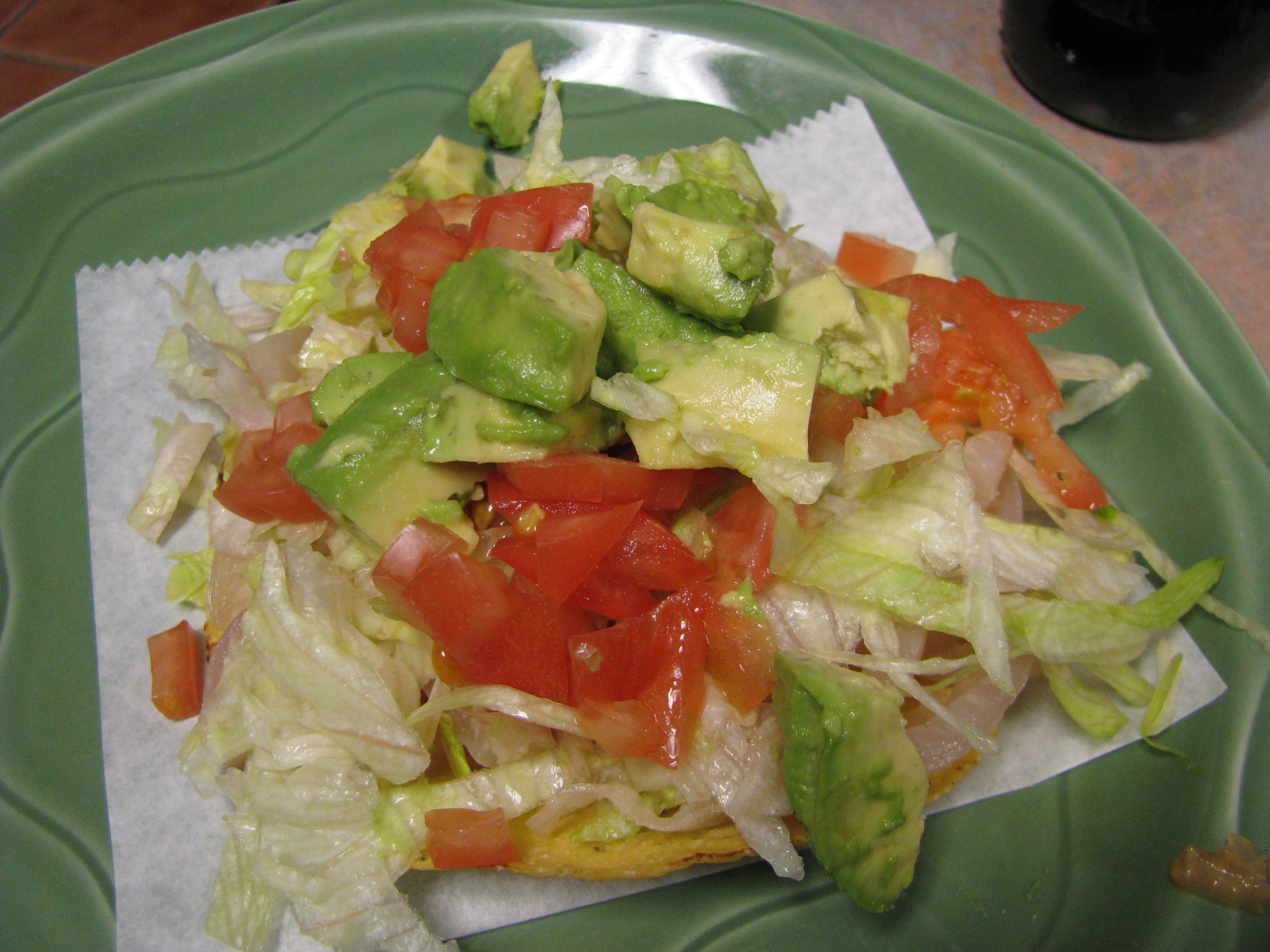
One new item we discovered on our recent visit was tostada de cueritos (pickled pig skin). This is apparently a popular summertime dish. It’s not actually skin, it is strips of fatty cartilage beneath the skin which are boiled, braised and pickled and then served on a tostada.

bizarre foods in columbus, authentic mexican food columbus

Our original post is below:

best Mexican restaurant columbus

Cuisine: Mexican

Sawmill Center Shopping Center
(approximately 7370 Sawmill Road – North of 270)

Click here to map it!

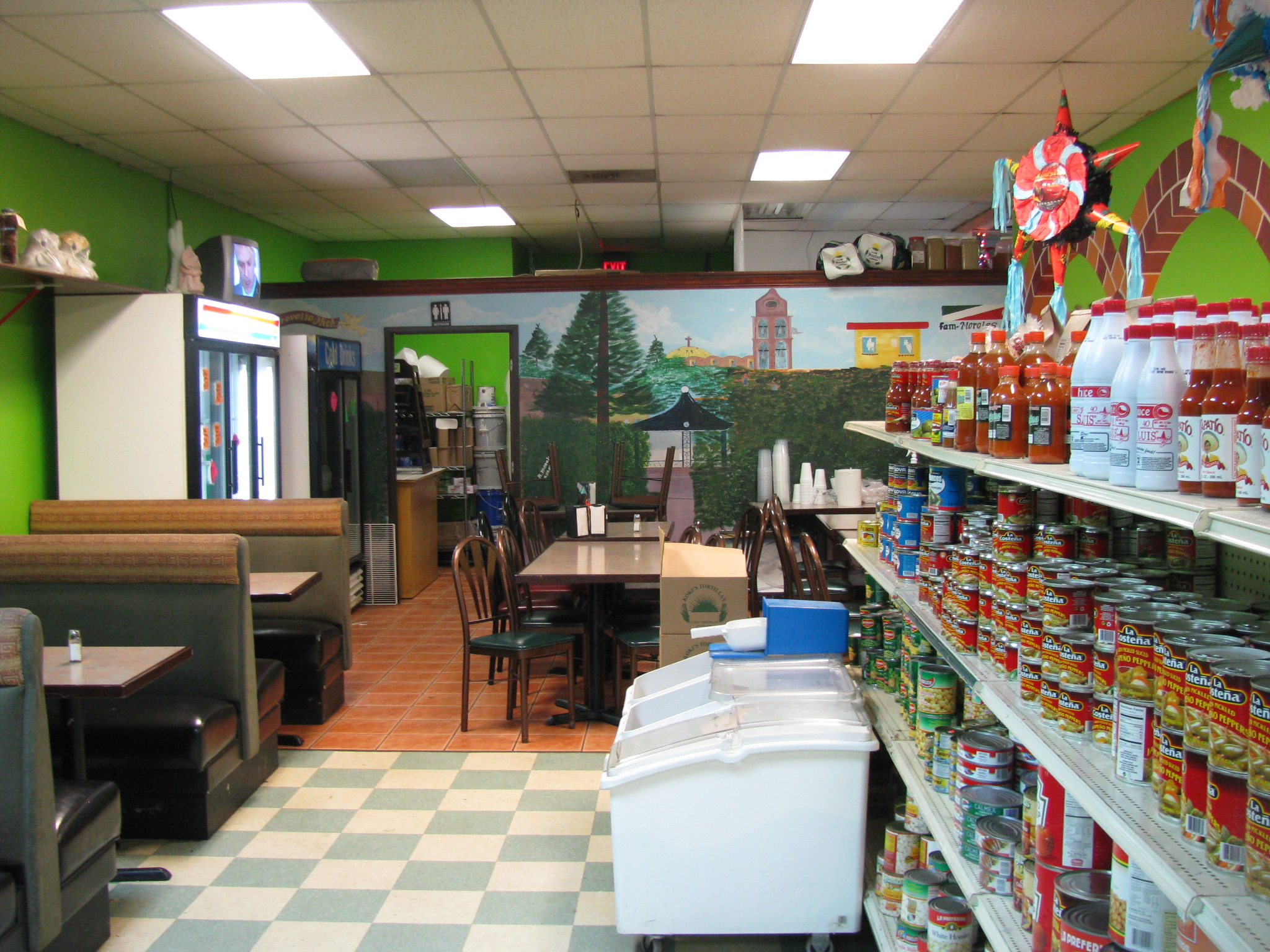
La Michoacana is a chain of Mexican markets – some with food service – that are found all over the city.  We’ve been to quite a few of them, ate at at least one, and concluded (to put it diplomatically) that the chain’s core competency lies on the grocery side of things.

Ccontrary to that conclusion, not all La Michoacanas are created equal. We’d heard from several people that the Sawmill location was unusually good, but put that info on the back burner until our most trusted source for all things Mexican practically begged us to join her there.

We did.  Making our way through the grocery section, we found our seats in the dining area at the back. Our server came to take our order, and we put in for a Michoacana-style steak, an order of carnitas (a weekend special), a milaneza torta, and a bowl of menudo (also served only on weekends).

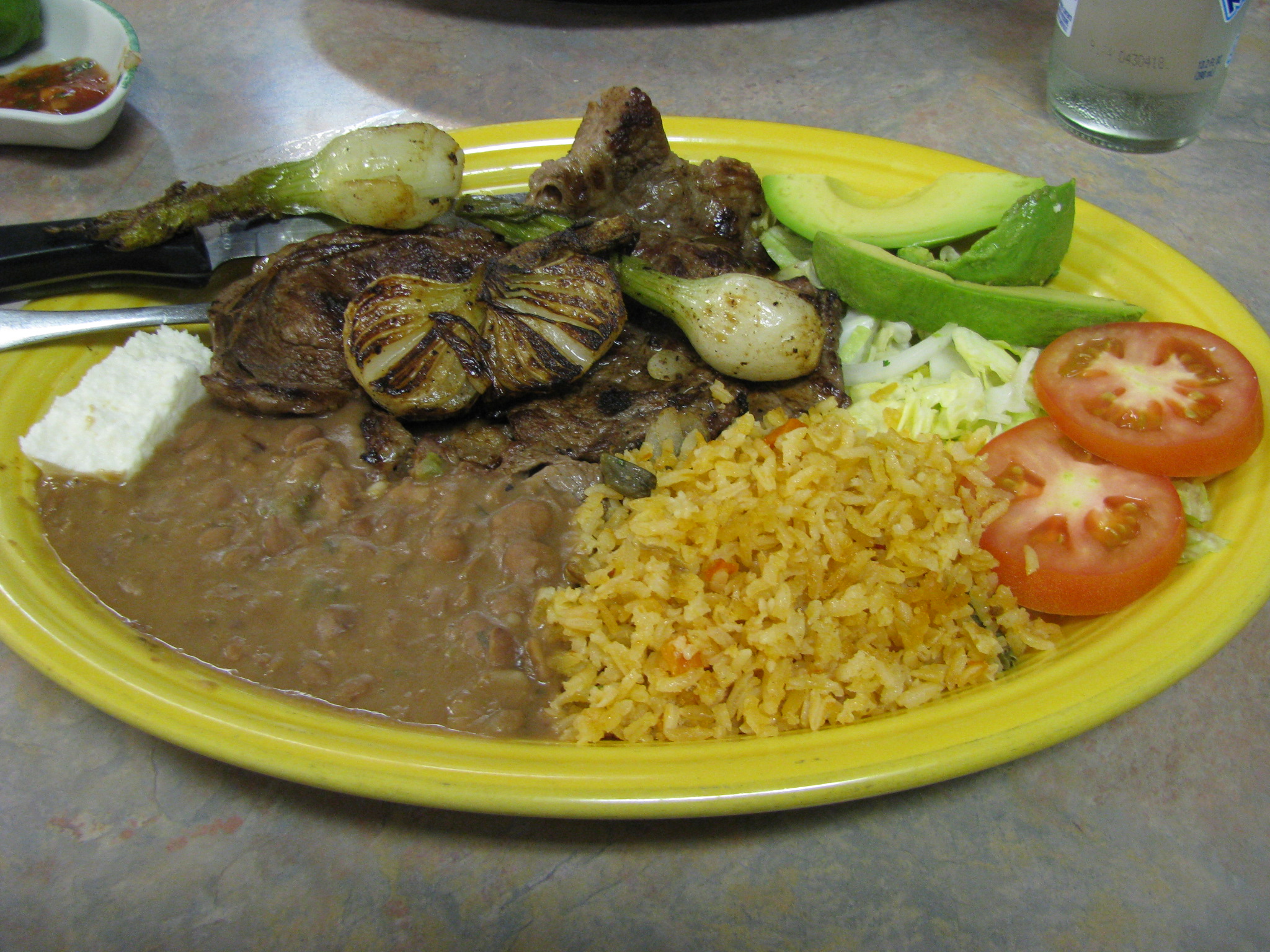
We tried the Michoacana steak dish first, and it was good. Surprisingly tender, flavorful, salty and best with a generous squeeze of lime. We were already sold.

But then we tried the carnitas and it was the best we’ve had in Columbus. Not really roasted pork, this is more like confit of pork and it’s highly cravable. I should add that the beans, simple as they may seem, are also excellent at this modest little grocery store.

The Menudo here is the hangover cure of choice for Mexicans all over the city and again deserving of superlatives.

La Michoacana also does a great job with it’s Tortas and other taco truck fare. The NW of Columbus is sadly lacking in taco trucks, but this is where Dublin residents can fill their taco truck food cravings. This is the Hawaiiana torta with ham, pineapple, milanese (breaded steak), hot dogs, cheese, salad and avocado. Did you know that Mexican hot dogs are generally made with chicken?

If you have a sweet tooth there are some dessert offerings by the cash register and a freezer case of paletas (Mexican popsicles).

As it turns out, this La Michoacana was the first of many in town. The family that started the chain has long since sold off the rest of the locations to others – which probably goes a long way towards explaining the conspicuous variations among them. While all are great places to shop, this Michocana is the place to eat!

Fresh Street

Cuisine: Japanese

1030 N. High St. (in the parking lot just south of Bodega)
Open: weekdays, 11:30am – 5:30pm (closed Tues), weekends, 12:00pm – 6:00pm
Facebook Page

Click here to map it!

Imagine you opened a Japanese crepe cart last summer. People came, ate, enjoyed your endlessly creative dishes, respected your commitment to quality ingredients, and raved to others. In no time you had amassed a cult following, and were regularly flattered by glowing mentions in both the social media sphere and traditional media. By the end of summer, you’ve got a spot on an NPR show about street food under your belt. You pulled big crowds almost everywhere you went, and kept ’em coming even through the cold of November. Eventually, though, the permafreeze became just too much, and you closed up for the season.

Next spring, my street food rock star, as the city defrosts… what do you do?

If you’re Kenny Kim and Misako Ohba, owners and operators of the much lauded Foodie Cart, the answer is: octopus balls!

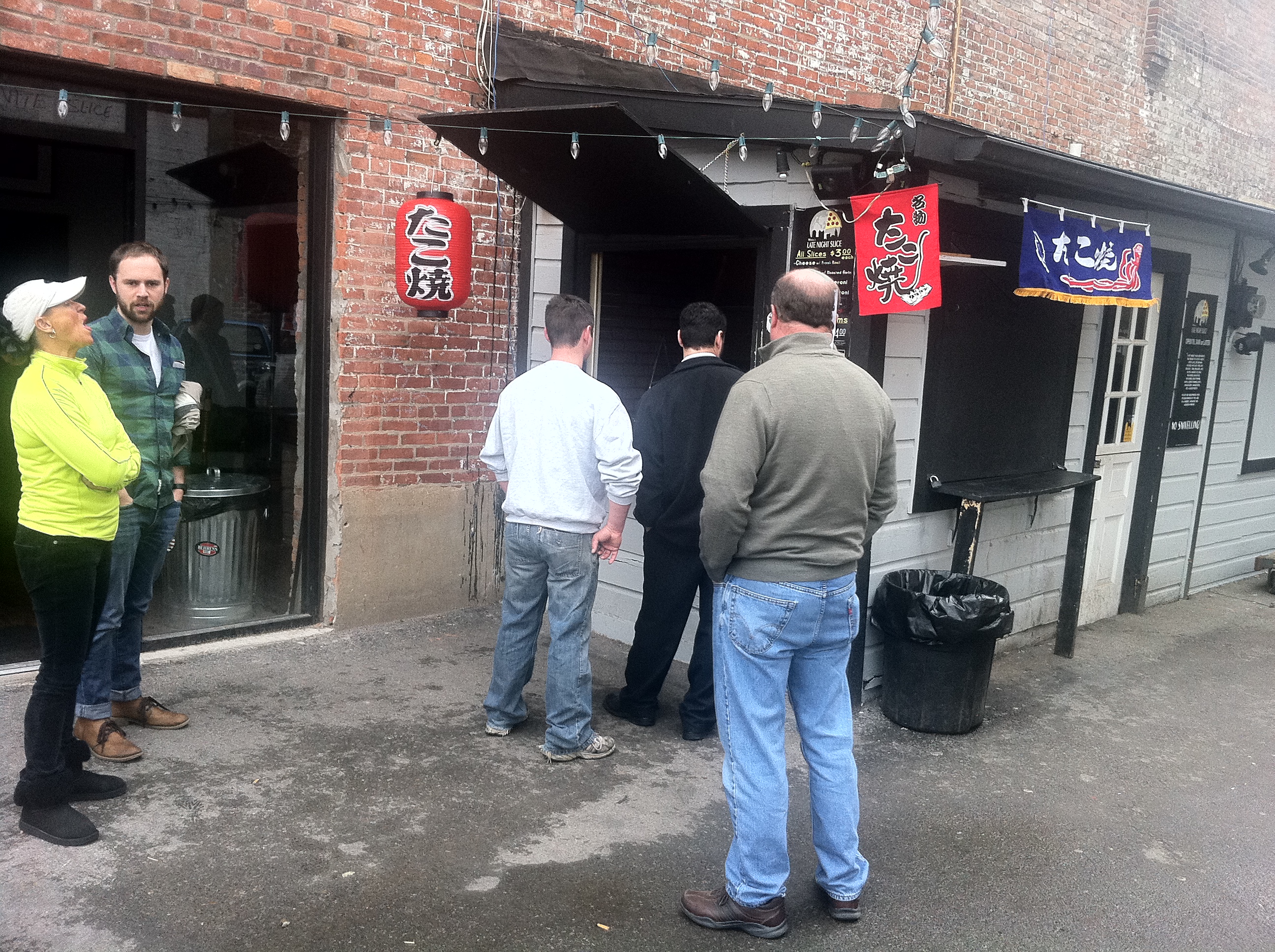
A bit of back story – in seeking out a sheltered location, they connected with Mikey of Mikey’s Late Night Slice. His pizza ‘shack’ (an outbuilding in a parking lot in the Short North with an adjacent dining room) operates in the evening, and lies dormant during the day. A perfect spot for Kenny & Misako to do their thing during Mikey’s off-hours. Win-win, right?

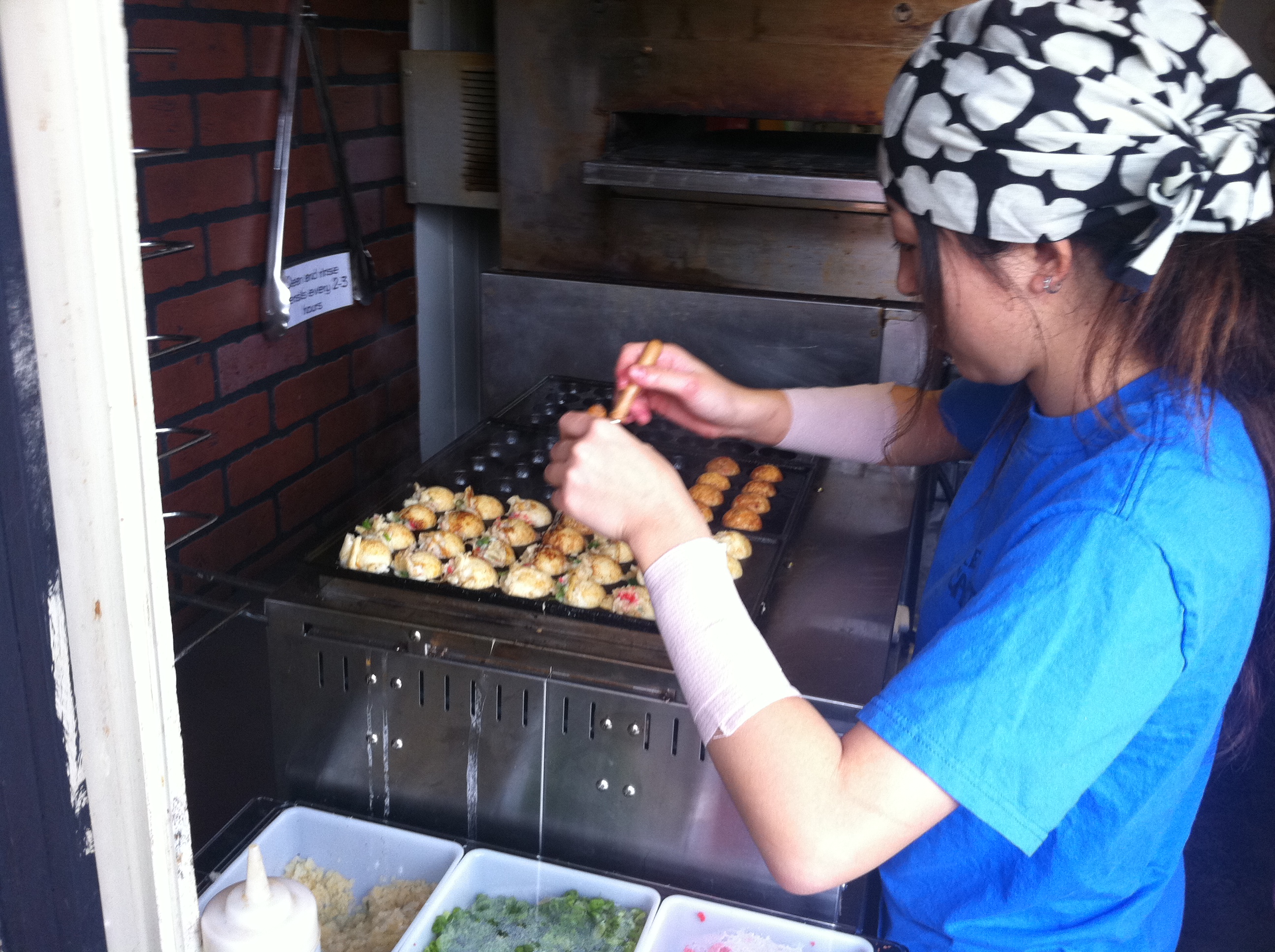
Except that, for a variety of different reasons, the crepe apparatus wouldn’t fit into the location. Having had their eye on a much smaller takoyaki griddle, the plan came together. Foodie Cart became Fresh Street, and crepes shifted over to takoyaki – a spherical pancake-meets-dumpling style Japanese snack food, traditionally made with a chunk of octopus flesh in the middle.

That word – tradition – was not exactly a central tenet of Foodie Cart’s repertoire, and same goes for this endeavor though perhaps to a lesser extent. While you can get straightforwardly traditional takoyaki here (and if my limited experience is any indication, they’re as good as anything on the streets of Japan…), part of the fun is (and always has been) seeing what these guys come up with next and enjoying how they cajole disparate influences into harmonious flavor pairings.

On our first visit, during their soft opening, they had 3 takoyaki options on the menu – octopus (true takoyaki), Japanese pork sausage, and okonomiyaki. Each allowed for a variety of different sauce & topping options – some gratis, others with a small upcharge.

I loved all 3 types. Each had a nice crispy exterior that tastes of toasted sesame oil and yields to a bread-like layer that transitions to a delicious gooey center. The octopus, unsurprisingly, has chunks of naturally chewy octopus in the middle, and the pork sausage version had pieces of pork sausage that taste surprisingly similar to a breakfast link (and none the worse for it). The okonomiyaki has shredded cabbage in it, which makes for a creative take on the traditional Japanese okonomiyaki pancake. In spite of being the vegetarian option it struck me as every bit the equal of the others. All orders are finished off with a takoyaki sauce, your choice of kewpie mayo or hot mustard, and bonito flakes.

Eight balls come with an order, is surprisingly filling, and is very reasonably priced at $5 per octet. The skill involved in making these is considerable, open for all to see, and makes for entertaining food theater.

The grand opening is today (4/14/11), check ’em out!

Min Ga

Cuisine: Korean

800 Bethel Rd 43214
(614) 457-7331
Hours – 11.30-10pm daily (open until 11pm on Fri., Sat.)

Click here to map it!

Min Ga is a restaurant that, for us, has always seemed to quietly fade into the background. It’s been around forever, and on previous visits always struck us as the epitome of ‘not bad’ with a dash of ‘hmmm… that seemed a bit expensive’. A nice enough option to have out there, I suppose, but not exactly the sort of place you jump out of bed eager to write about.

So, when we asked the owner of a Korean grocery store for restaurant recommendations and he suggested Min Ga, we were a bit surprised. Ultimately, though, his recounting of a change of management there was all we needed to give the place another shot.

These kimchi dumplings were a thing of beauty – pork, kimchi, and a surprising quantity of soup broth all tidily wrapped up in a wonton-like pouch. The flavors melded seamlessly, with kimchi flavor being obvious but not overly dominant (and contributing little in the way of spicy heat). These disappeared quickly. Word to the wise, though – eat these in one bite, or you’ll be wearing the broth.

I’ve long been a big fan of the Korean seafood pancake, and Min Ga’s version is as good as any I’ve had. Bits of almost every sea creature imaginable (including scallop, mussels, squid, octopus…), are mixed into this moist, dense, bread-like savory pancake. With a bit of the included soy-chili sauce (a little of this salty concoction goes a long way), these pizza wedge cut slices of seafoody goodness are pure contentment.

Our first main was the tofu pork bokum – big blocks of steamed tofu and a generous serving of pork & kimchi topped with sesame seeds and green onions. If the dumplings hinted at it, this dish confirmed – pork and kimchi are meant to be together. Moderate levels of spicy heat mingled with earthy, tangy, porkiness to form a dish that was enjoyed not only at the table but also as a leftover the next day. Tofu should feel lucky to have such a delicious saucy topping to carry it.

Kalbi, marinated and grilled beef short rib meat, is a another longtime favorite, and I’m now a big fan of Min Ga’s version. The meat is extremely juicy and has a big beef flavor, and the taste of the careful char is perfection. The subtly sweet marinade accompanies well and never overwhelms. Many is the time I’ve eaten at a steakhouse and thought I’d rather be having this dish, and Min Ga’s rendition will probably be what I’ll be longing for the next time.

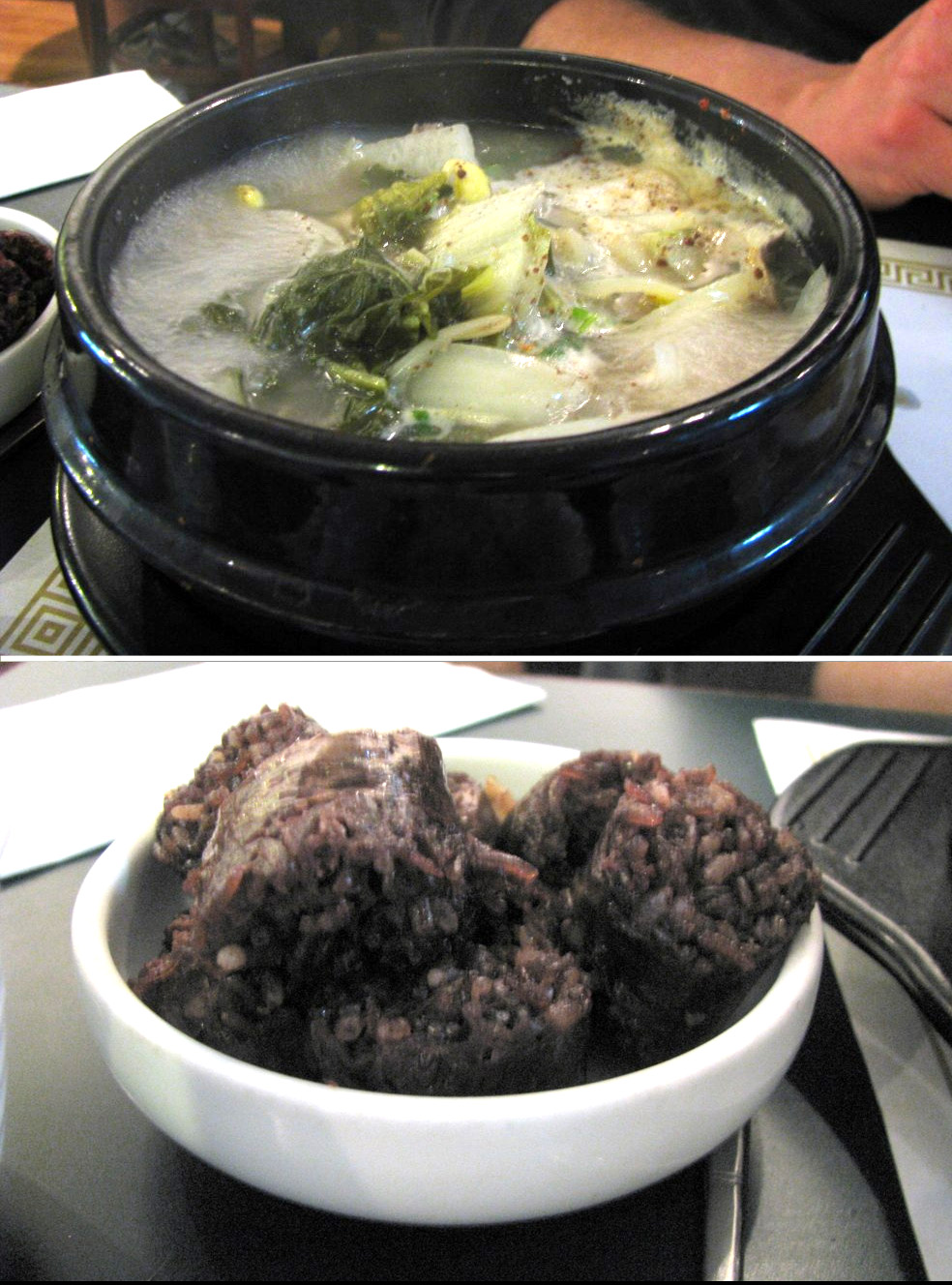
Finally, we tried the soondae guk – Korean sausage soup, described on the menu as ‘soondae soup with vegetable and pig heart and pig intestine’. The (above) top photo shows the soup, and the bottom is the sausage that was served as a side to be put into the soup.  As my experience with Korean soups is limited, allow me to quote a relevant passage from Wikipedia:

“The third category of soups is gomguk or gomtang, and they are made from boiling beef bones or cartilage. Originating as a peasant dish, all parts of beef are used, including tail, leg and rib bones with or without meat attached; these are boiled in water to extract fat, marrow, and gelatin to create a rich soup. Some versions of this soup may also use the beef head and intestines. The only seasoning generally used in the soup is salt.”

Switch up beef with pork and you’ve got the idea. The soup itself was surprisingly bland (tasting of little more than a meat stock with a pinch of salt) and the sausage was packed with rice and had the iron-like flavor and deep red-purple color that I’d associate with a blood sausage. This dish appeared to be a special, and it fell flat for us not because of the off-cuts and other unusual ingredients – which largely just assumed the flavor of the broth – but because of the absence of any real depth of flavor. The wikipedia passage above suggests that this is at least somewhat intentional, and as we’ve encountered similar soups before at other Korean restaurants (and had similar reactions to them), I’m inclined to file it under ‘things I just don’t quite understand’.

As expected, a wide variety of banchan (small, complimentary cold sides) came with our meal. All were enjoyed…

…which also makes for a pretty good encapsulation of the whole experience. Entree prices seemed reasonable ($10 – $20, with most $15 or less), though app prices seemed incongruously inflated ($8 – $25 and every point in between, excluding the $5.00 edamame). Cost perhaps seems a bit more reasonable when the complimentary banchan is thrown into the equation.

Fortune Chinese Restaurant


Cuisine: Chinese (Sichuan)

2869 Olentangy River Road, next to Buckeye Bar & Grill
(614) 263-1991
Hours: Sunday – Thursday, 11am-10pm; Friday and Saturday, 11am-11pm

Click here to map it!

After hearing mixed reviews about Fortune’s new ownership from friends and readers, we ventured to this unassuming storefront on a gray weekday and had an utterly transformative lunch. We had heard that the new owners were concentrating on Sichuan cuisine and we sought dishes with the classic mouth numbing Sichuan peppercorn. For the uninitiated, the heat of Sichuan peppercorns doesn’t translate exactly to the Scoville scale; instead, the spice numbs the lips and tongue creating a unique sensation. In Chinese, this numbing spiciness is referred to as ma la. We’ve had some great Sichuan dishes around town, most notably some items in the Imperial Garden Weekend Buffet, but Fortune has the most successful and faithfully reproduced versions of typical Sichuan dishes.

We started off with two bowls of dan dan noodles (one bowl is plenty to share between two people). This quintessential Sichuan dish has been butchered up and down by Americanized noodle shops and we were a little disappointed to see that it came with egg noodles and not the typical thin flour noodle. By the second bite, we had forgotten the noodle and were completely wowed by the flavors. Drenched in chili oil and liberally sprinkled with crisp peppercorn flakes, the ground pork and peanut toppings contributed to the overall flavor and we were substantially impressed. In no time at all, our sinuses were clearing up and our mouths were totally numb.

Another dish we couldn’t refrain from ordering was the lamb with chili pepper and cumin. Since the capital of Sichuan, Chengdu, is one of the end points of the Silk Road, Middle Eastern flavors such as cumin is very common in Sichuan cuisine. For this specialty dish, we were expecting lamb that was a little bit more dehydrated but with tender pieces of lamb and aggressive spicing, we weren’t complaining at all. The copious amounts of sliced garlic and green onions rounded out the flavors and Angela declared it near perfect.

I was tickled pink when I noticed Sliced Beef in Fresh Hot Pepper. It’s one of my favorite Sichuan dishes and pairs perfectly with nothing more than a bowl of steamed rice. It’s really a one bowl meal: layers of napa cabbage, tender beef slices, and sometimes mung bean noodles all the way at the bottom. And despite its thick layer of chili oil, it’s not really that spicy, but very pronounced in ma la flavor. This dish also comes in a fish version and we can’t wait to try it!

Ma po Tofu is another classic Sichuan dish that is often poorly executed elsewhere. This wholly vegetarian dish was the best version we’ve tried in town. Liberally sprinkled with cumin and peppercorns, the silken tofu was further complemented by garlicky thick cut leeks.

This photo sums up our selection of classic Sichuan dishes, heavy on red chili oil and utterly delicious.

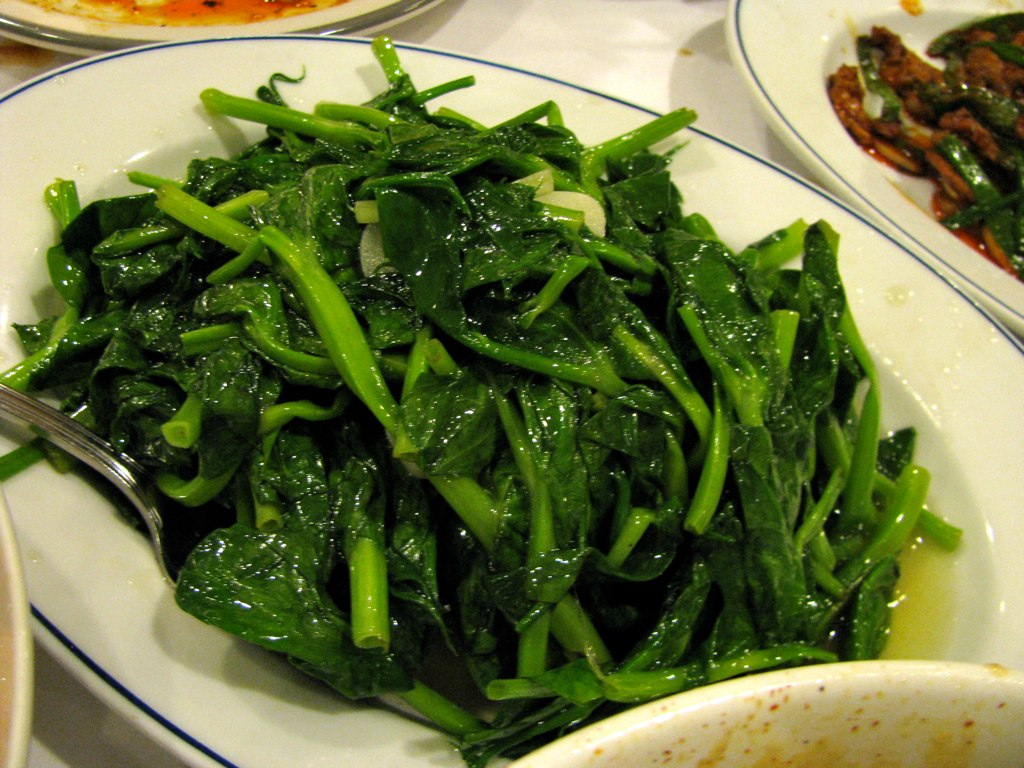
To round out our meal, we also shared a simple dish of pea shoots stir fried with garlic. Even in the best of kitchens, delicate leafy greens are so hard to execute consistently. At Fortune, the leaves were just barely cooked through, the stems still had a nice crispness, and it was not too oily. A true indicator of great skill.

On our way out, we noticed that the new management had posted signs of their house specialties. We did well by ordering three of the eight, and we can’t wait to come back to try more! Left column, translated: Beef Tripe with Hot Pepper Sauce, Ma La Dried Beef (Beef Jerk with Red Chili Sauce), Diced Rabbit in Chili Oil, Ma La Beef Tendon (Beef Tendon with Red Chili Sauce). Right column: Ma Po Tofu, Fish Filet in Hot Pepper, Cold Beef with Spicy Sauce, Dan Dan Noodles.