Category Archives: Somali

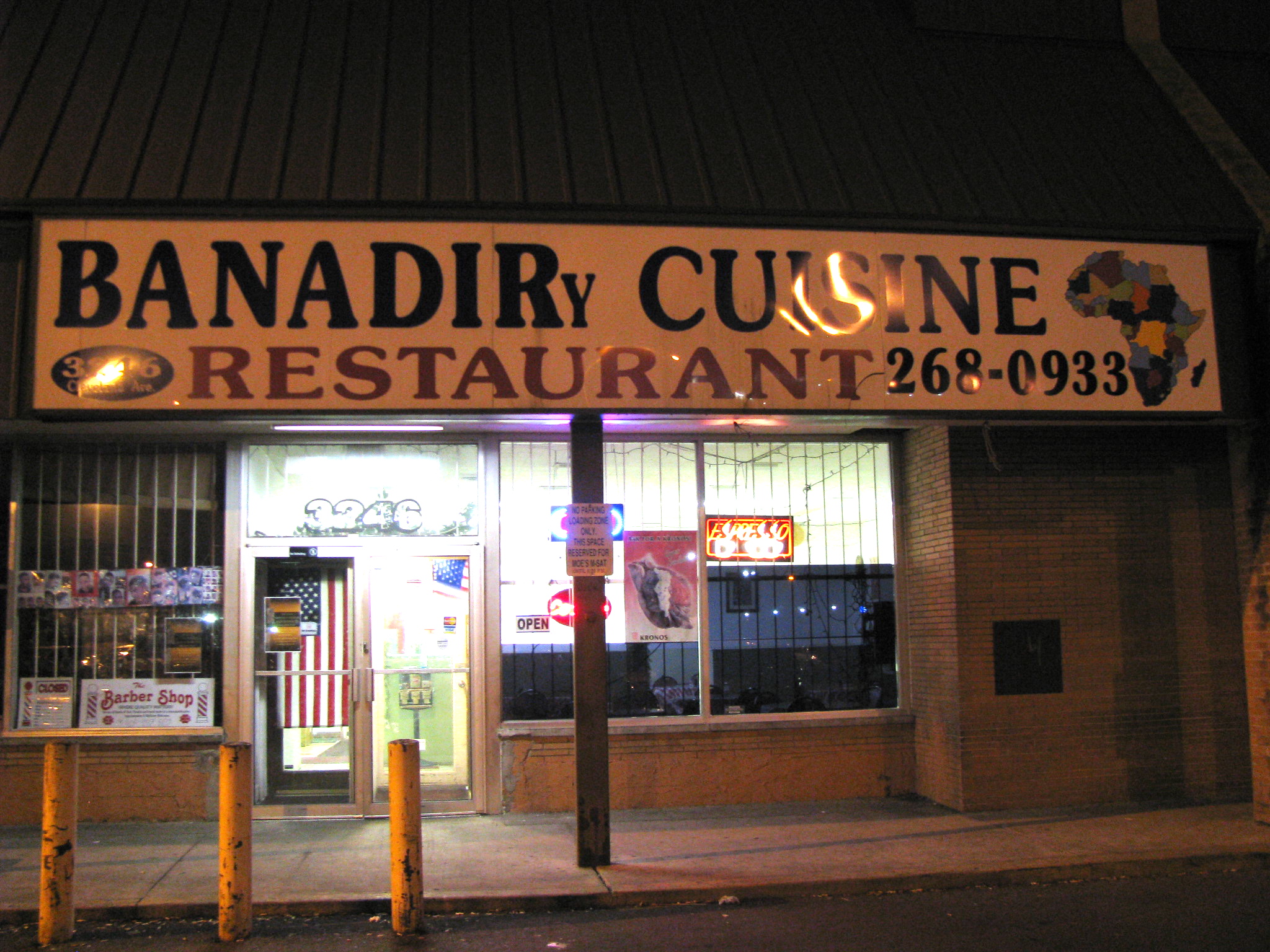
Banadir Cuisine

Cuisine: Somali
3246 Cleveland Avenue
(614) 268-0933
Hours: lunch & dinner (we didn’t see posted hours)

Click here to map it!

Subtitle: In Which We Learn About The Proper Time Of Day To Go Out For African Food

We entered the well-worn dining room of Banadir Cuisine to warm welcomes from the staff, and were promptly shown to our table. Baskets with utensils, napkins and complimentary bananas arrived with the menus.
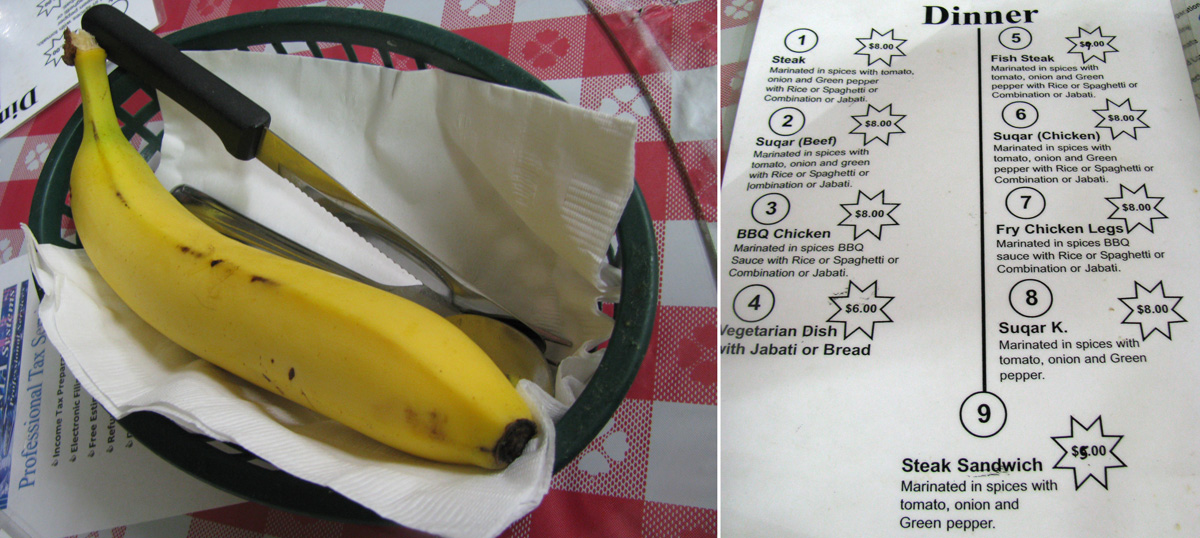
The menus, here as in every other African restaurant we’ve been to, are notable for their bias towards lunchtime – that is to say, the lunch selection is usually 3-4 times larger than that of the dinner menu. A lot of the lunch items sounded awfully good, but so it goes… it’s dinner, we’re here, and we’re hungry.

We ordered the fish steak, beef steak, and the chicken suqar.  All of the dishes came with the option of jabati, rice, or spaghetti, and when we asked for jabati with the chicken suqar, our server offered to have it cut into slices and mixed it in with the dish, ‘K’ style.  Why not?

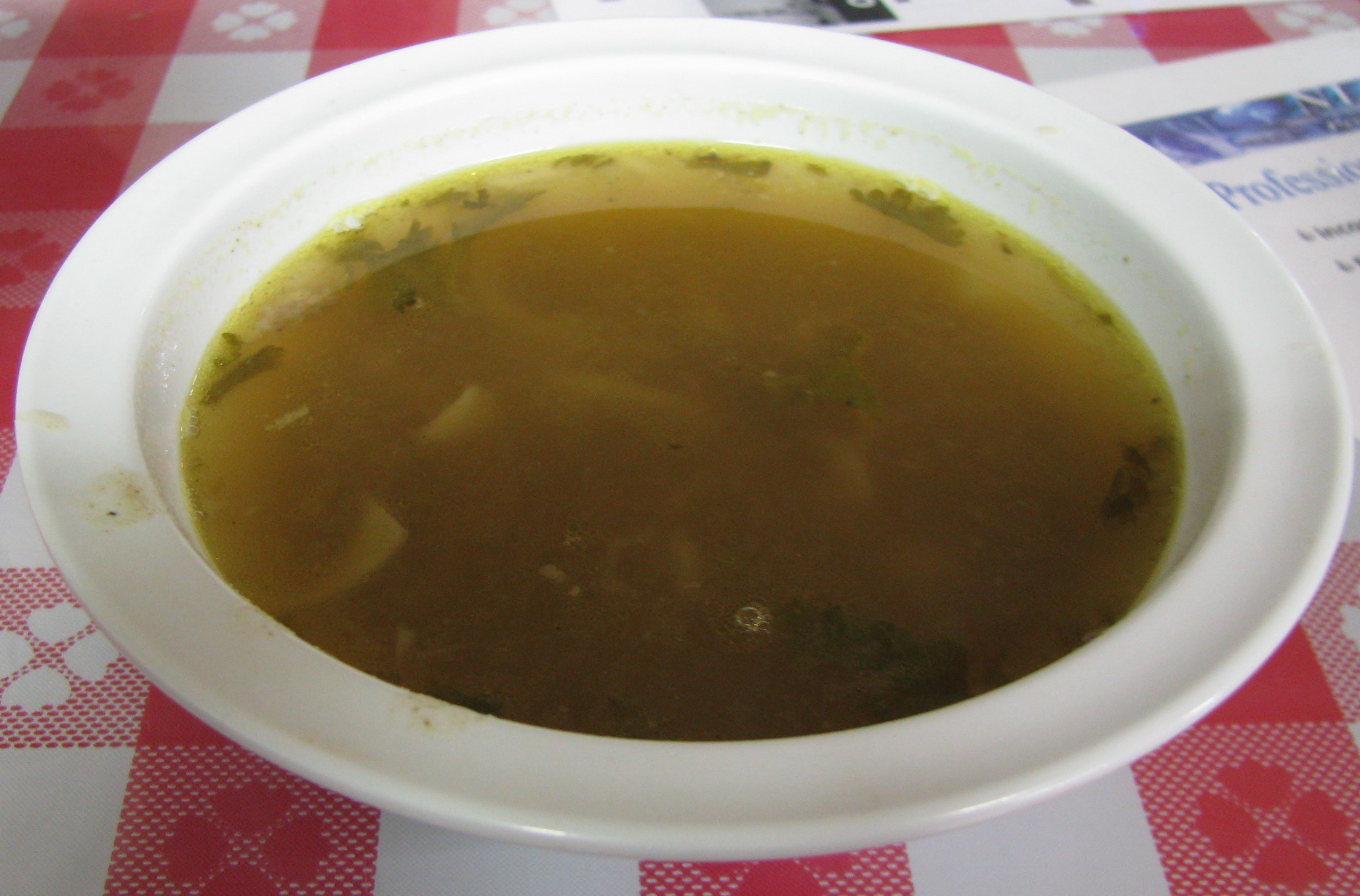
We also ordered tea (served with or without milk) and were given soup as part of the dinner order.  The tea, when ordered with milk, was chai flavored – similar to African Paradise’s offering but (mercifully) less aggressively sweetened.  The soup, ostensibly vegetable but flecked with goat meat, looked innocent enough, but was surprisingly rich and meaty tasting – these guys know how to make a mean (apparently goat based) soup stock.

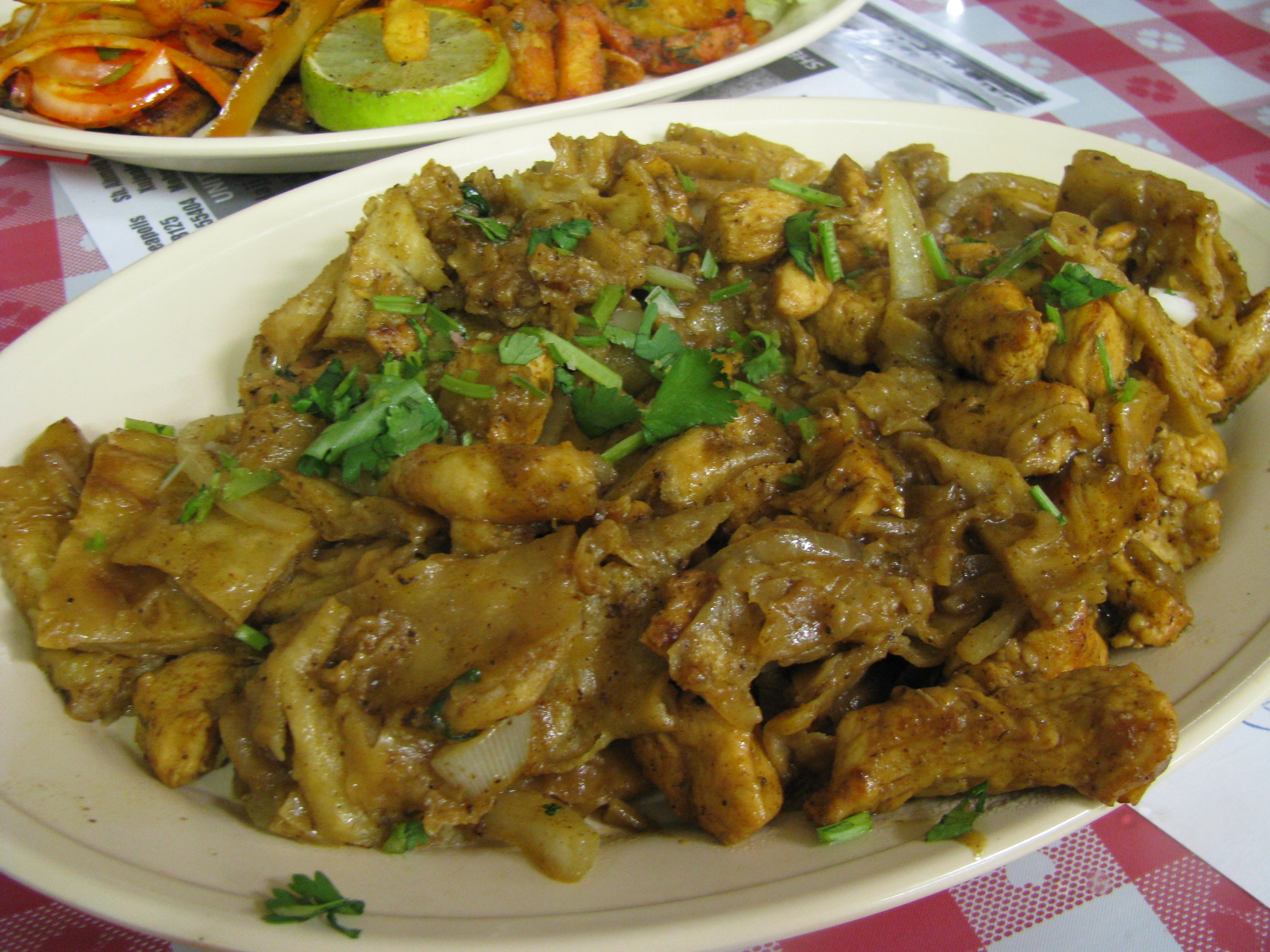
Upon finishing the soup, our mains arrived.  Opting for ‘K’ style on the chicken suqar turned out to be a good move – the suqar struck us as something of a halfway point between a curry and a stir fry, and the jabati bread strips were dense enough to hold their own in the mix, both absorbing the sauce and presumably thickening it.  An unqualified hit with all who tried it.
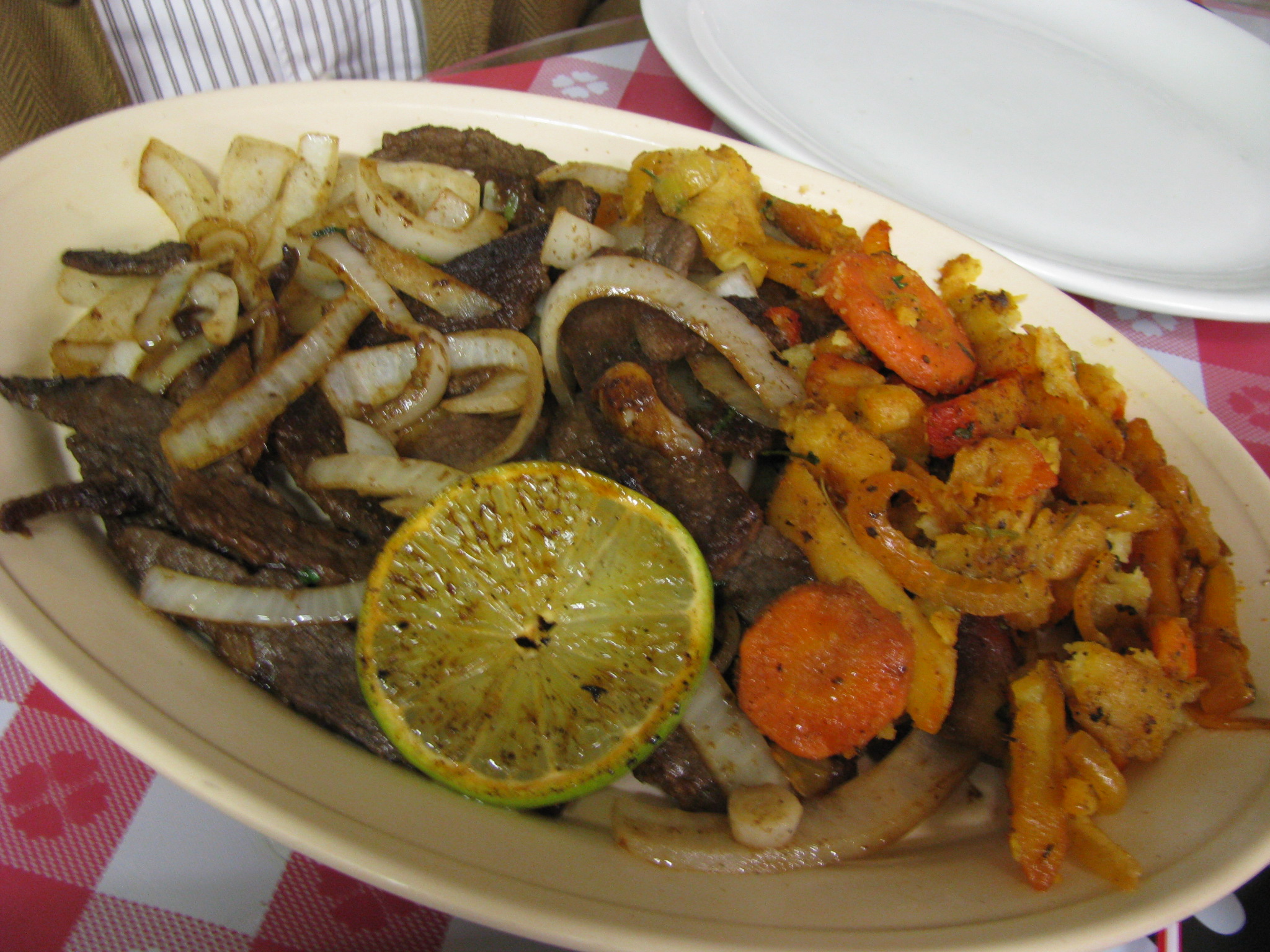
The beef steak was less well received.  Flavor was nice, with a significant pepper hit, but the consistency of the beef led to murmurings about truck-stop jerky.  It’s possible that the chewiness of the preparation is traditional, but we’re still left wondering how it’d be if the beef were more tender.
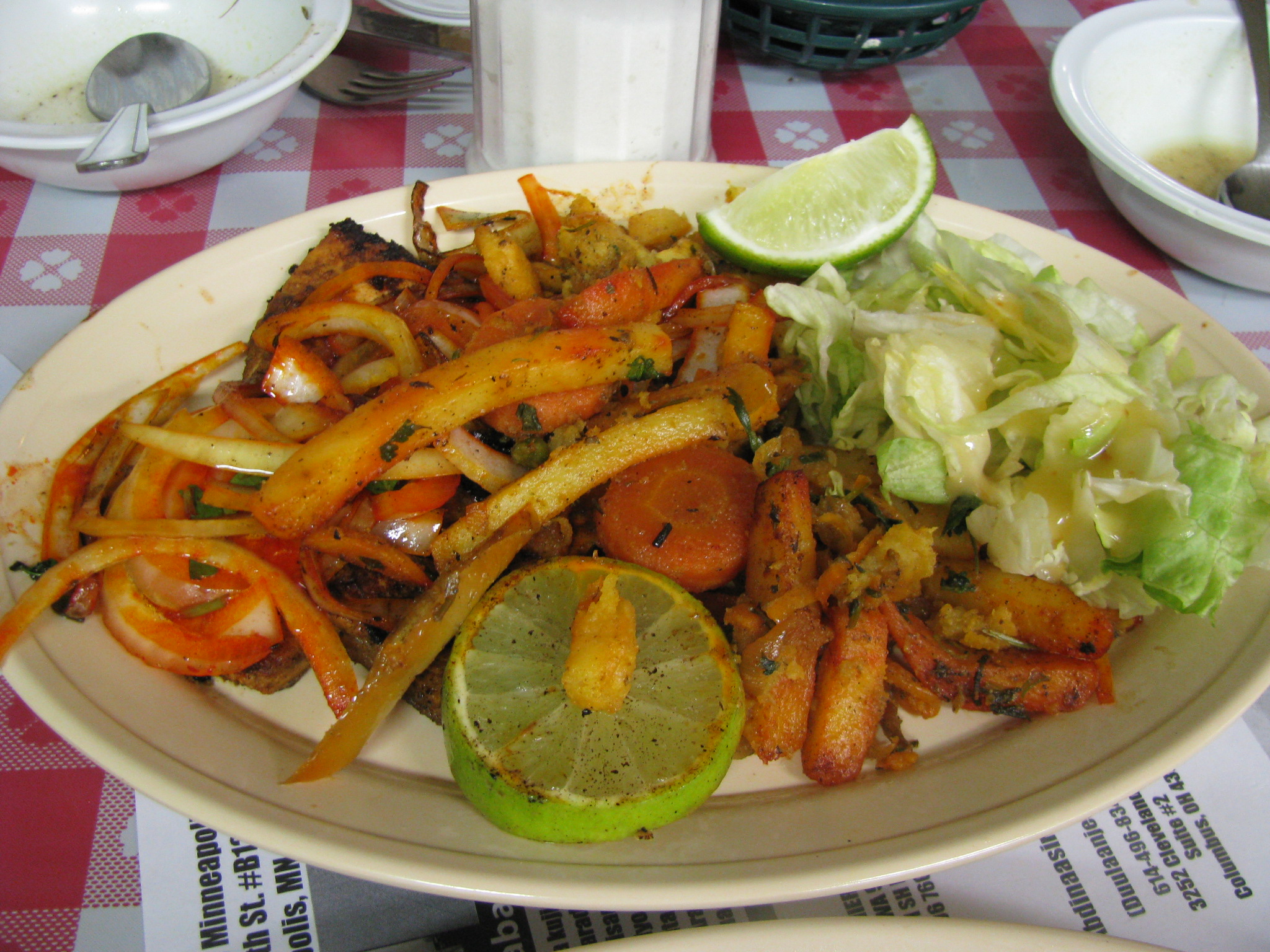
Finally, the fish steak.  This was four or so reasonably sized pieces of salmon with a heavily spiced char crust, topped with a mix of vegetables and french-fry-cut potatoes. Slices of lime and a small salad garnished. The flavors of this dish were roundly appreciated, though there was some discussion about the oiliness.
Sated, I walked up to the cash register to pay.  While doing so, I asked the owner about the reasoning behind offering so many more items for lunch.

‘Simple’, he responded (and I paraphrase), ‘Africans, in Africa, traditionally work until about 2:00-3:00pm, and then have the main meal of the day.  This generally translates into lunch for Africans in the US.  What we call dinner here is a minor meal for most Africans. Usually Americans eat dinner here.’

‘Yep, that’s us’, I chuckled to myself.

Our next stop for African cuisine will be the Calanley Restaurant.  For lunch.
African Paradise


Cuisine: Somali
2263 Morse Road
614.476.2163
Hours: 7:30am – 10:00pm

Click here to map it!

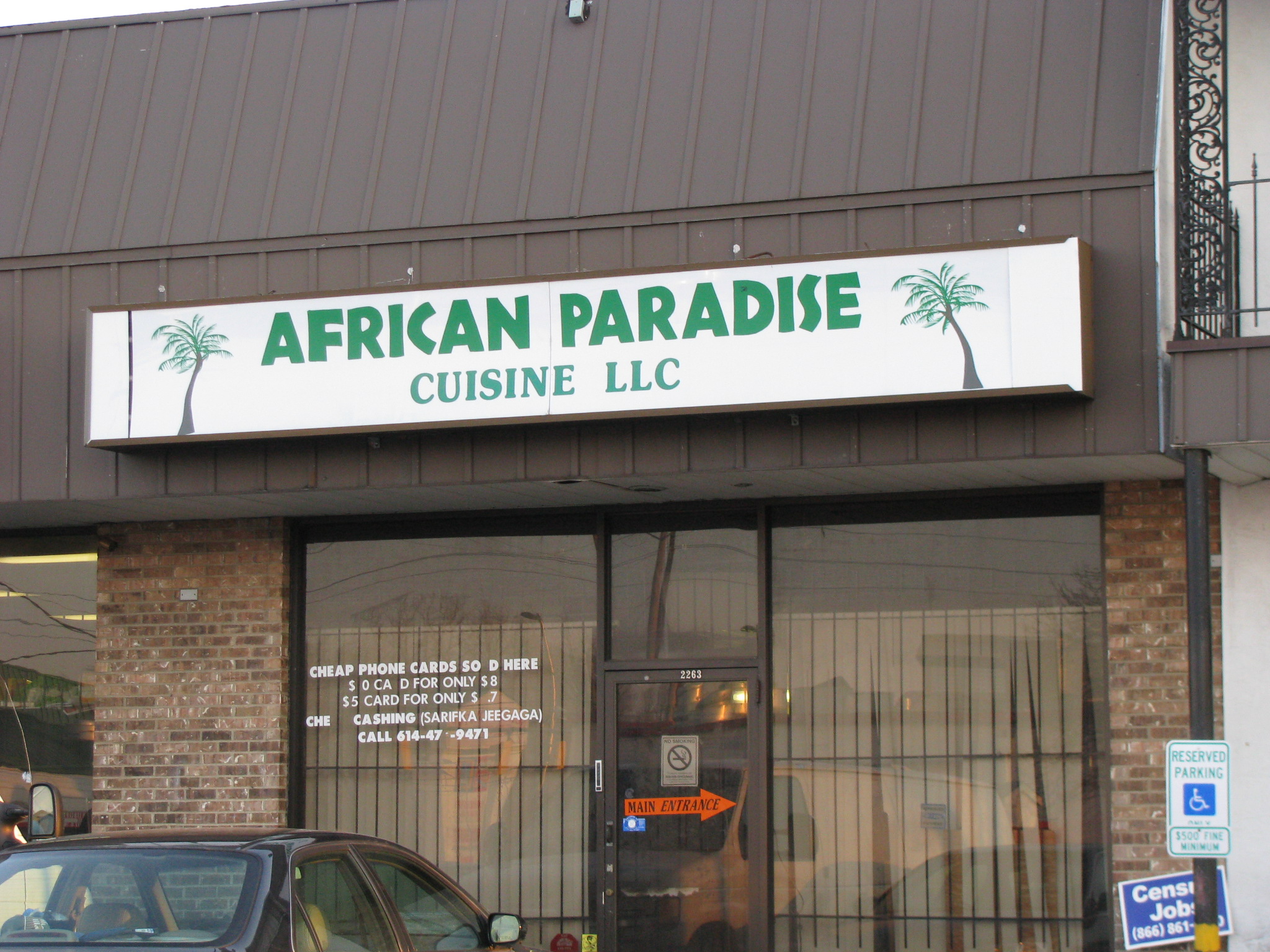
A bit of advice – just go with the flow when at African Paradise.  From the odd, vaguely Bourbon Street-esque exterior to a menu that, willy nilly, mixes cuisine categories with food items with Friday specials with – hey, no prices on anything? – much about this Somali restaurant will confound the more logically inclined.

Do hang loose, though, because African Paradise has an awful lot to recommend it.

Stepping inside, we found a large, clean space with minimal decor and low lighting.  Our party of 5 was seated between a prayer room and a ‘ladies only’ room (a dining area sectioned off with accordion doors, presumably created to allow Muslim women to dine without the unwanted intrusion of the male gaze).

After trying to make sense of the menu, we decided to simply use it as a starting point for conversation.  The servers were more than happy to explain everything, and if they felt as though they had failed on any point they were quick to provide samples to clear up the confusion.   Such was the case with the mufo and the jabati – both were flat breads, what was the difference?  Their answer:

Turns out, mufo is a dense, tart and chewy cornmeal-based flatbread, while jabati is something like a wheat flour-based cousin to the Indian chapati. These were served with a delicious dipping sauce that Hungrywoolf described as tasting like a curried marinara*.

‘Did we like?’ asked the waiter.  Indeed we did.  With that, a proposition: ‘You can order single dishes for each person, or I can do a large family style dish for everyone with four different choices on it’.  After much discussion, we settled on the family style spread and added rice, more jabati, soup, salad,  mango juice, and Somali tea. All or some of which may or may not have come with the family style meal.  Bottled water was also included.

Soup and tea arrived first. The soup was a simple vegetable mix in a rich chicken broth, and was enjoyed by all.  The Somali tea was reminiscent of chai with strong cardamom notes, but achingly sweet.

Then the main dish:

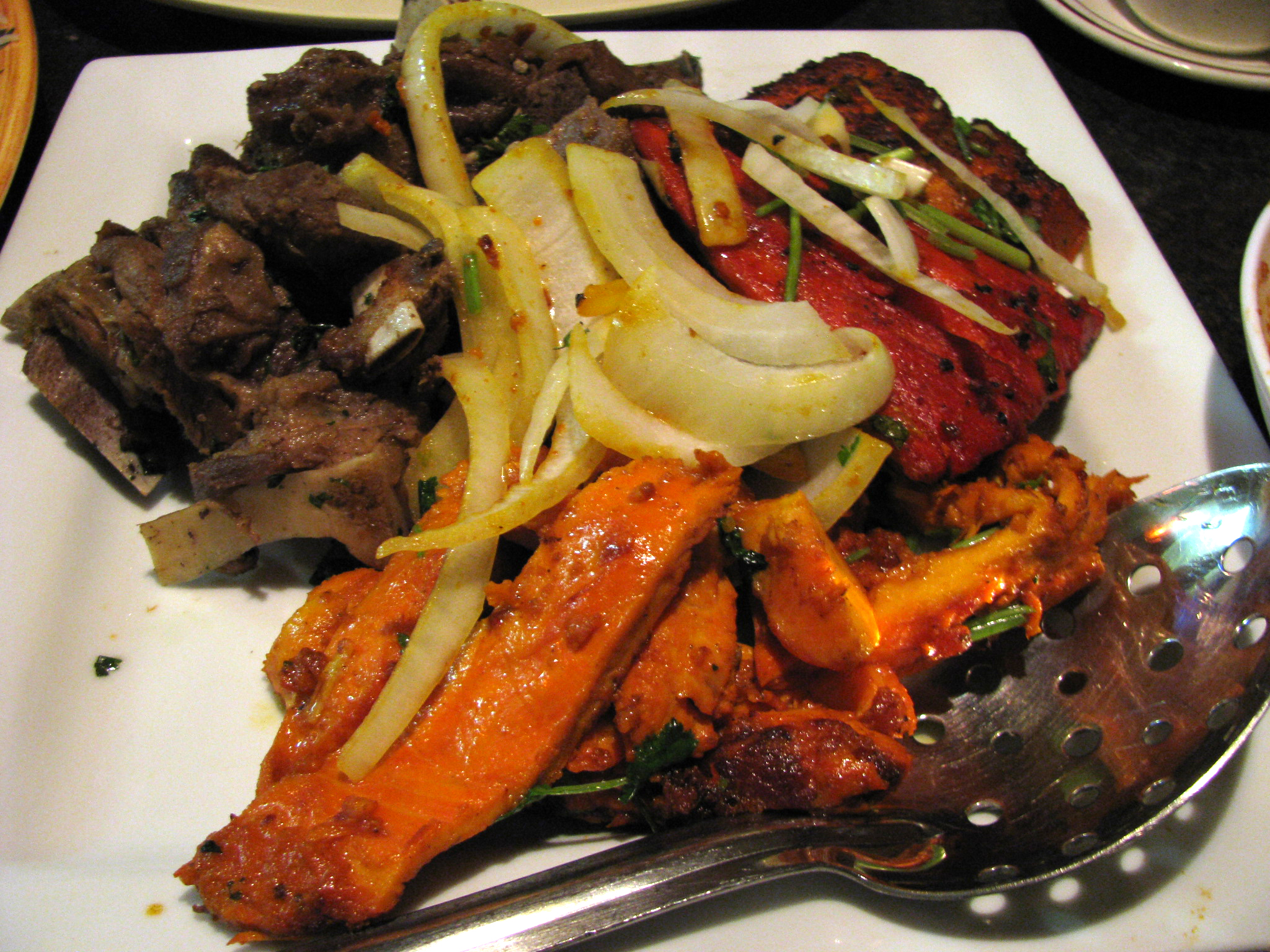
That’s roasted goat, chicken, and two types of fish (salmon and, um, something else?) The goat was a revelation – while there was some variation between pieces, it was moist, tender, delicately flavored, and as good as any goat any of us had ever tasted.  The chicken was reminiscent of an off-the-bone Indian tandoori, though in my opinion more flavorful and more tender.  Both fishes were seasoned similarly to the chicken and were delicious though perhaps a bit on the dry side.  The rice was subtle with just a hint of cardamom and made for a perfect accompaniment to the proteins.

Quantities were generous – the photo with the oversized serving spoon fails to illustrate this point.  The five of us indulged to our hearts content and had plenty of leftovers.

Now for the check.

Wait… you’ve got to be kidding.  $33?  For everything…. for all 5 of us?! Yeah, we’ll be back… especially since AP has some intriguing breakfast menu items.

——————

*The marinara analogy is interesting because Somalia was briefly colonized by Italy and Italian culinary influence persists to this day.  Pasta items are not unusual in Somali restaurants and were in ample evidence on AP’s menu as well.