Yearly Archives: 2010

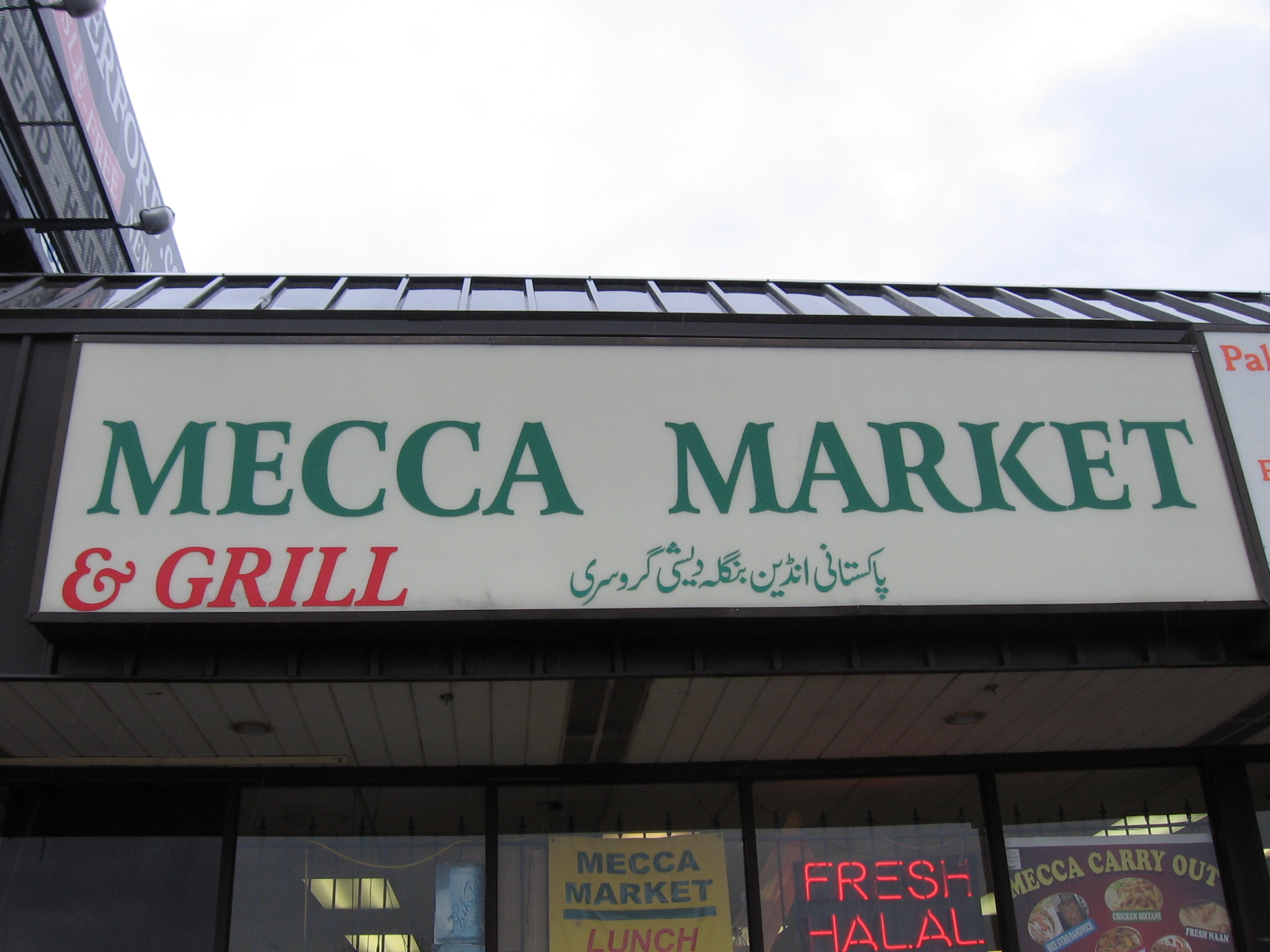
Mecca Market & Grill

Cuisine: Pakistani
2256 South Hamilton Rd
614. 501-1550

Click here to map it!

Mecca started out as a grocery store and purveyor of halal meat.  When the latest owner took over the store, he decided to put a kitchen together and offer Pakistani food. In his own words,” I have meat and groceries in here, why not cook some food and offer take out.”

As you walk into Mecca Market, you will be greeted by the friendly owner and his staff. They are very helpful and eager to answer any questions about their groceries, halal meat and their menu.

Walking towards the back, you’ll see a meat counter and next to it is the counter where you order your food. Since this is intended to be a take out business, they don’t have a dining area set up in the store. However, if you really want to eat in, there is a card table that will seat about 6 people. Due to the small operation, not everything listed on the menu is available everyday. If you’re not up for simply trying whatever happens to be on offer, it is probably best to call ahead and see what is available.

Pakistani food according to the owner is  more intensely spiced than Indian food. But there are a lot of similarities with Northern Indian food because of the shared geographic region and with their use of the tandoor.
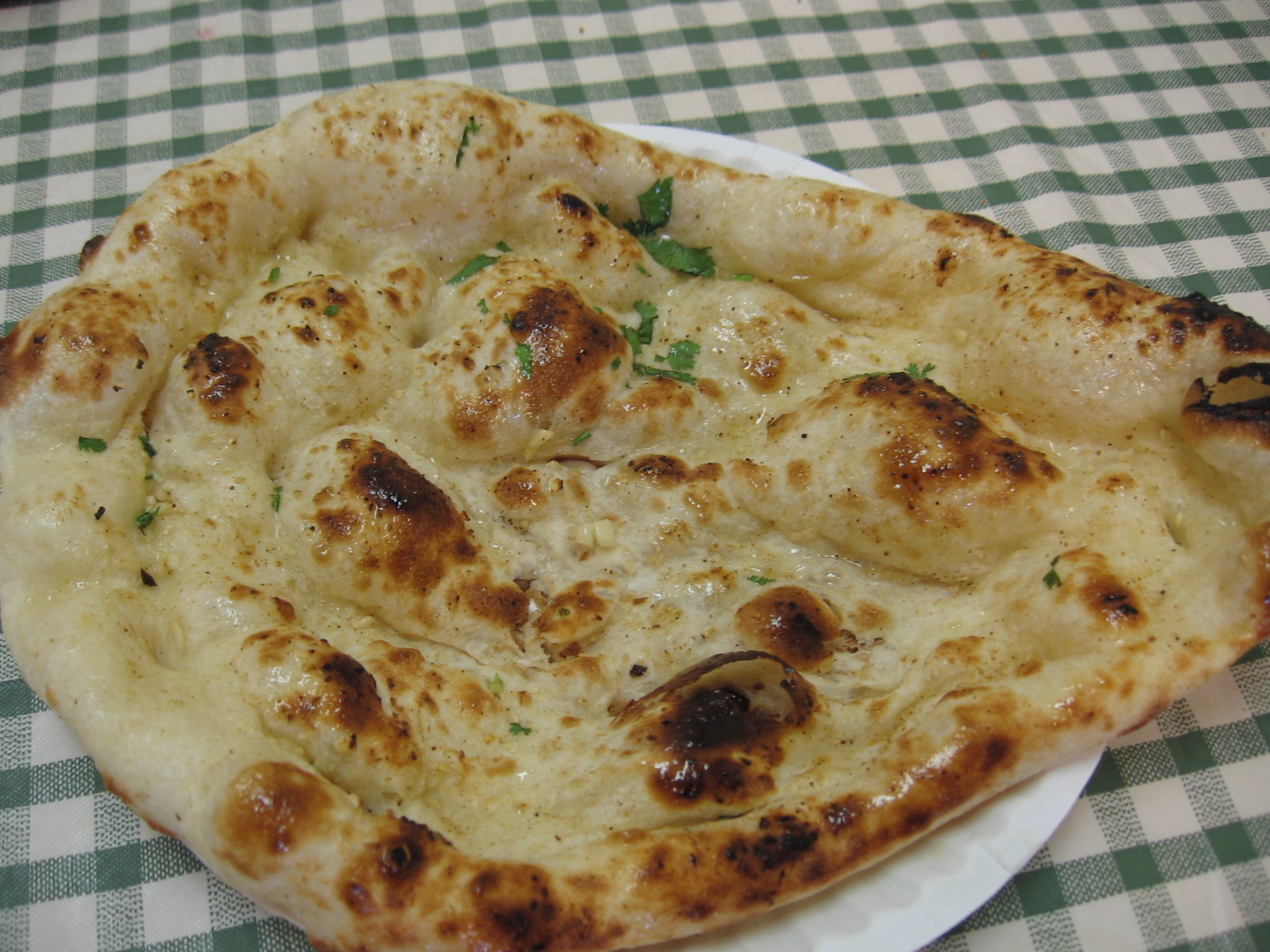
First up was the garlic naan. The naan had the perfect texture of being crispy on the outside and slighty chewy on the inside. It could have used a little more garlic but that depends on how much you like garlic. We had also ordered a plain naan as well and the execution of it was just as perfect as the garlic one. Plastic silverware was offered to us but we decided to use the naan and our hands for utensils.
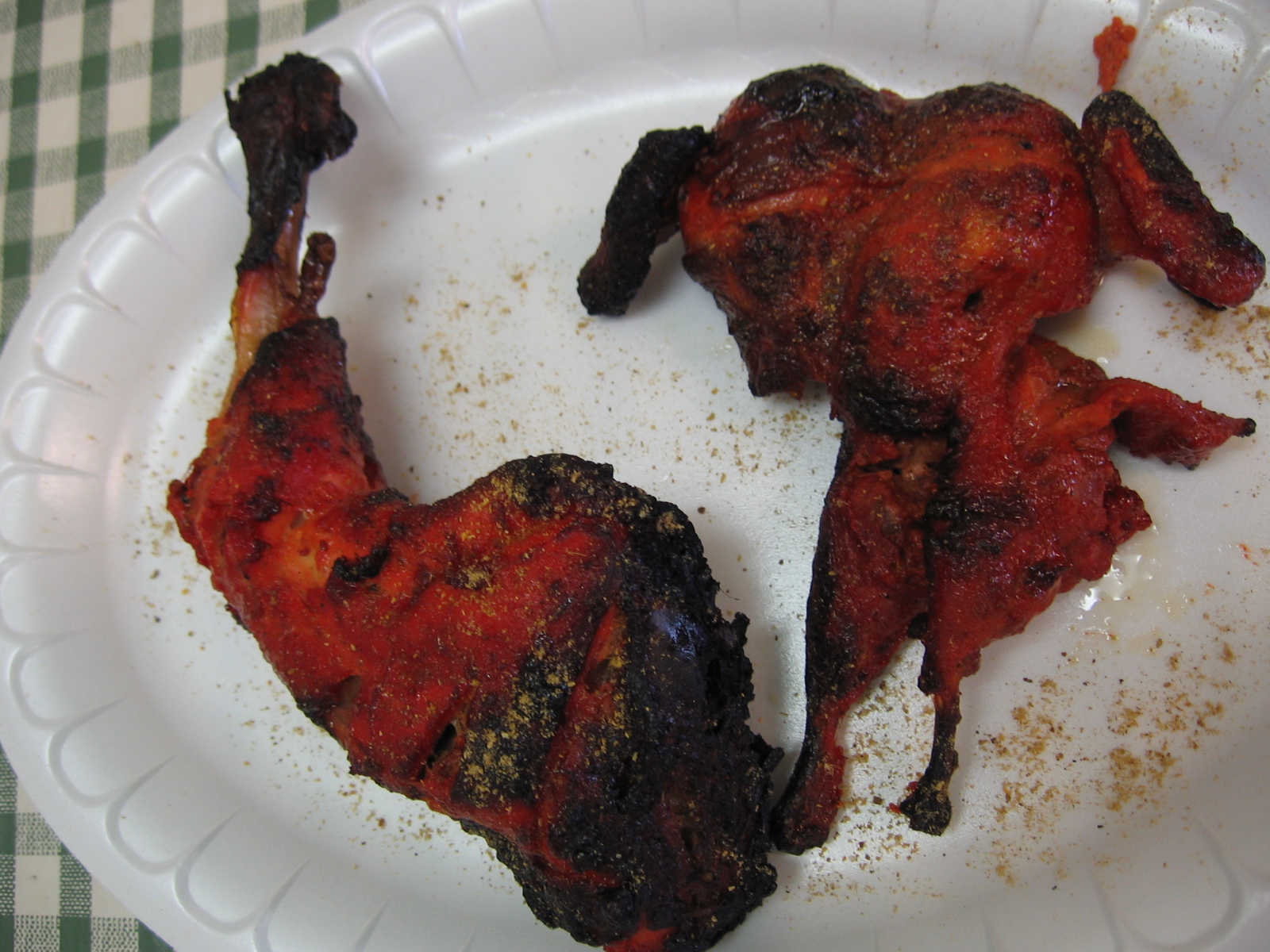
We ordered a serving of tandoori chicken and batair. Batair is quail and it is a very popular fowl eaten in Pakistan. This is something that is not usually offered in Indian restaurants. If you see Batair on the menu, then you are likely in the hands of a Pakistani chef. Flavor wise, both birds were phenomenal. Intensely spiced and had the right amount of charring. The quail was definitely more tender of the two. It’s hard to say what quail taste like as the spices definitely overpowered the taste of the meat. However you can tell the difference by the texture. We will be ordering it again next time.
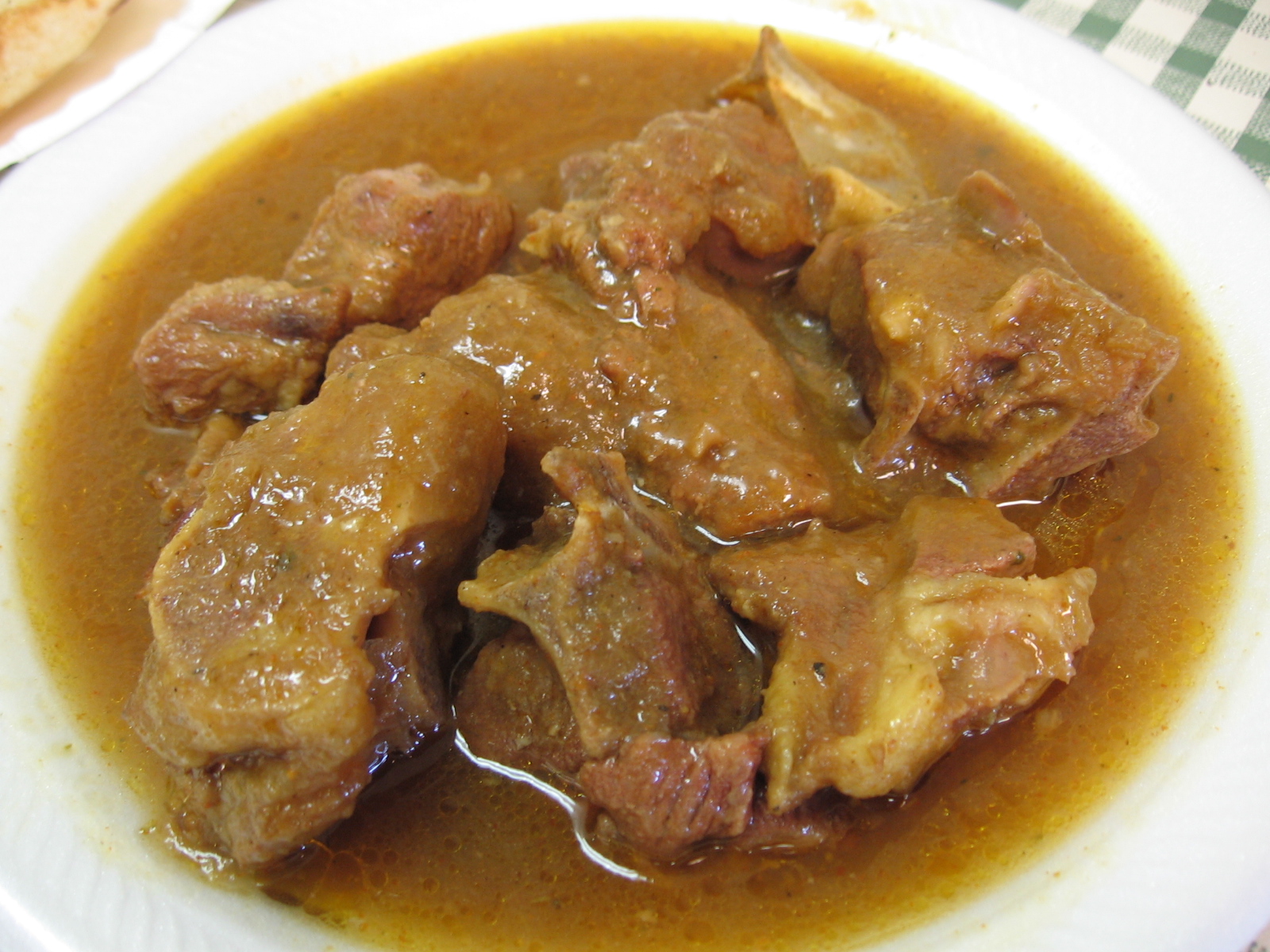
Next up was the goat curry. This was surprisingly not spicy and mild with curry spices. Overall it was very savory and went well with the naan bread which we used to sop up the curry sauce.
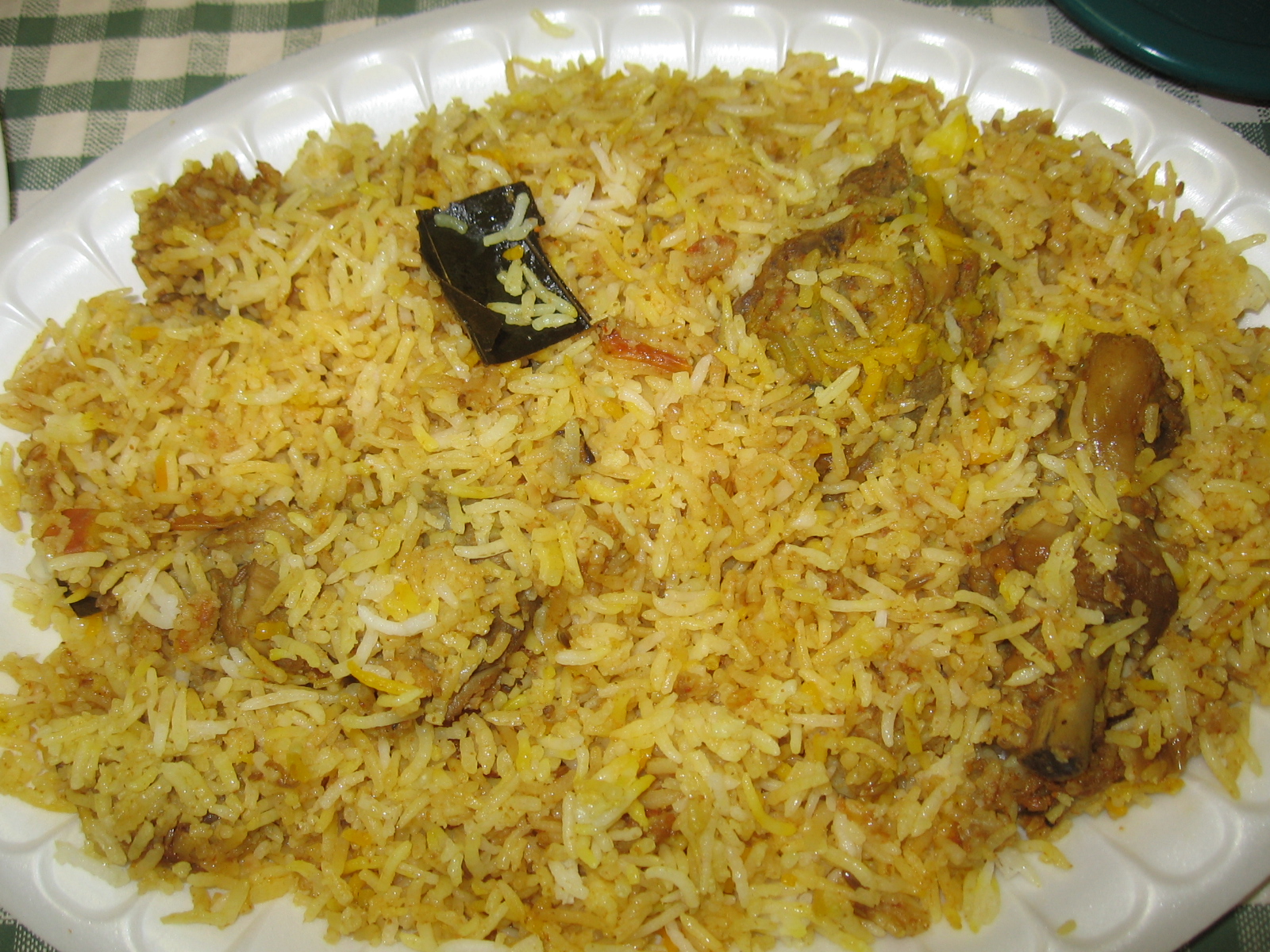
We ordered the briyani of the day which was the chicken briyani. The staff explained that briyanis takes a while to cook so they pick a different meat each day to make a pot of briyani instead of offering 3-4 types of briyanis a day. They are happy to take custom orders if you call in the morning for a pick up later in the day. The briyani was very fragrant with a deluge of spices such as cardamon, cinnamon, cumin, cloves and etc. The rice was perfectly tender and the chicken was nicely integrated with the dish absorbing all the spices and liquid that the rice was cooking in.

Lunch for 3 with two drinks came up to $20. Most dishes range from $5 – $10. There are a few vegetarian offerings like palak paneer and couple of aloo dishes. Best advice is to call ahead and check what dishes they are offering for the day or call ahead for a custom order. The people at Mecca are very accommodating and will cater and deliver their food for a function/party.

Banana Leaf

Cuisine: Indian
816 Bethel Road
614.459.4101
www.bananaleafofcolumbus.com

Click here to map it!

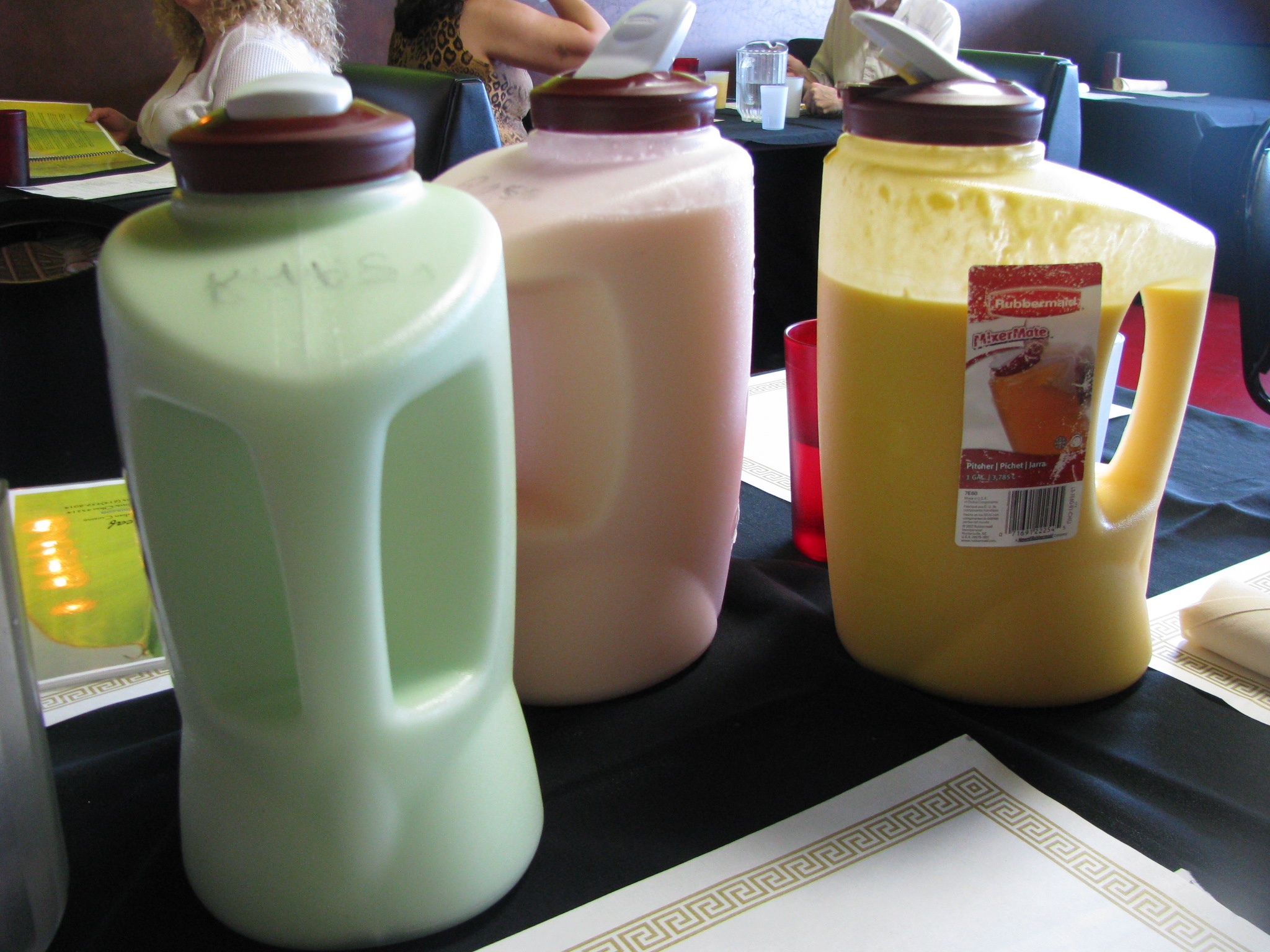
Banana Leaf is a vegetarian and vegan Indian restaurant whose owners hail from Gujarat in western India. Banana Leaf has several features that distinguish it from other Indian restaurants. Although you can order a la carte, most people opt for the grand buffet option, available both at lunch (11.30-2.30pm) and dinner (6-9.30pm). On arrival you are greeted with endless lassi (a rich yogurt ‘smoothie’), which comes in a choice of 6 flavors (mango, rose, khus, sweet or salted). Khus is a bright green herbal syrup with a woodsy medicinal flavor.

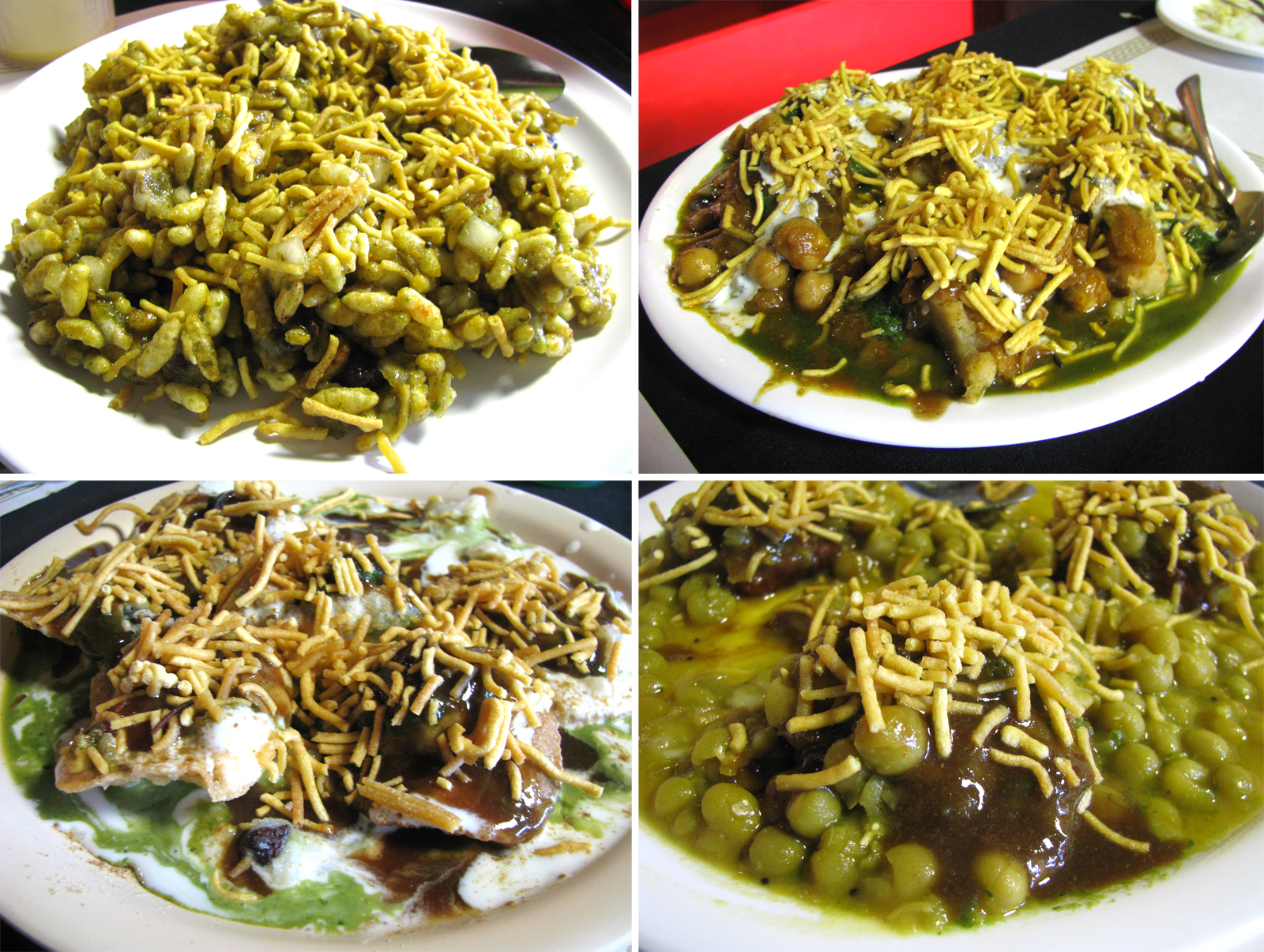
The second distinctive feature are the chaats, prepared in the dining room. Chaats are traditionally a street food in western India, originating in Gujarat. These were described as the second course but arrived as a series of separate plates served family style, giving the opportunity to savor each one individually. I won’t describe them all in detail, but they were intriguing mixes of flavor and texture with spicy, crunchy and cooling chutney: they included bhel puri – puffed rice krispies mixed in a tangy and sweet sauce with onions, potatoes, tomatoes and cilantro; ragada pattis – spicy potato patties simmered and seasoned with dried pea spicy gravy; samosa chaat – samosas covered with spicy chickpea gravy.

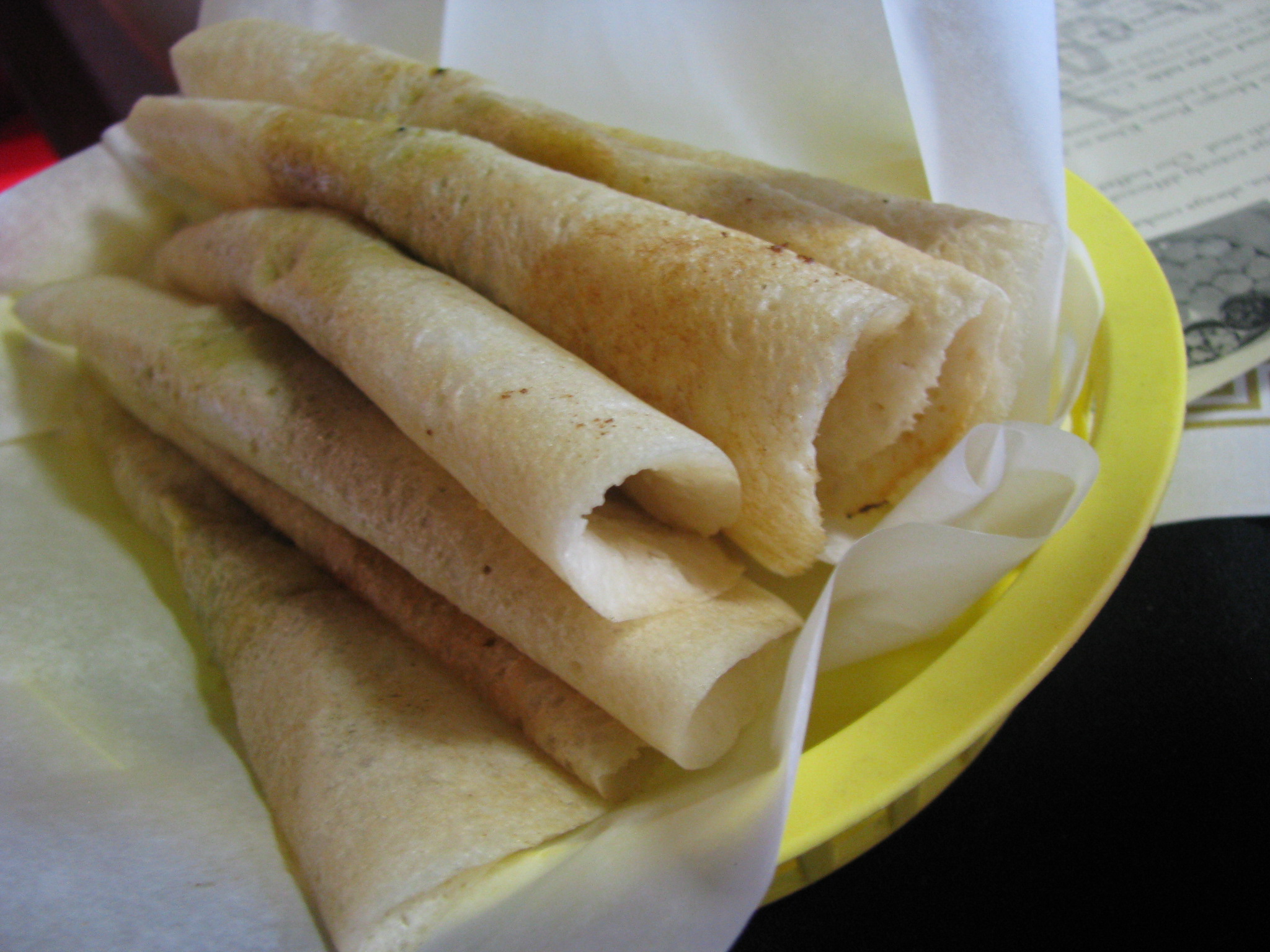
Also served at the table were masala dosas, thin rice crepes stuffed with a spiced potato mixture. Piled together, they got a little soggy and didn’t quite live up to the versions found at Dosa Corner or Udipi.

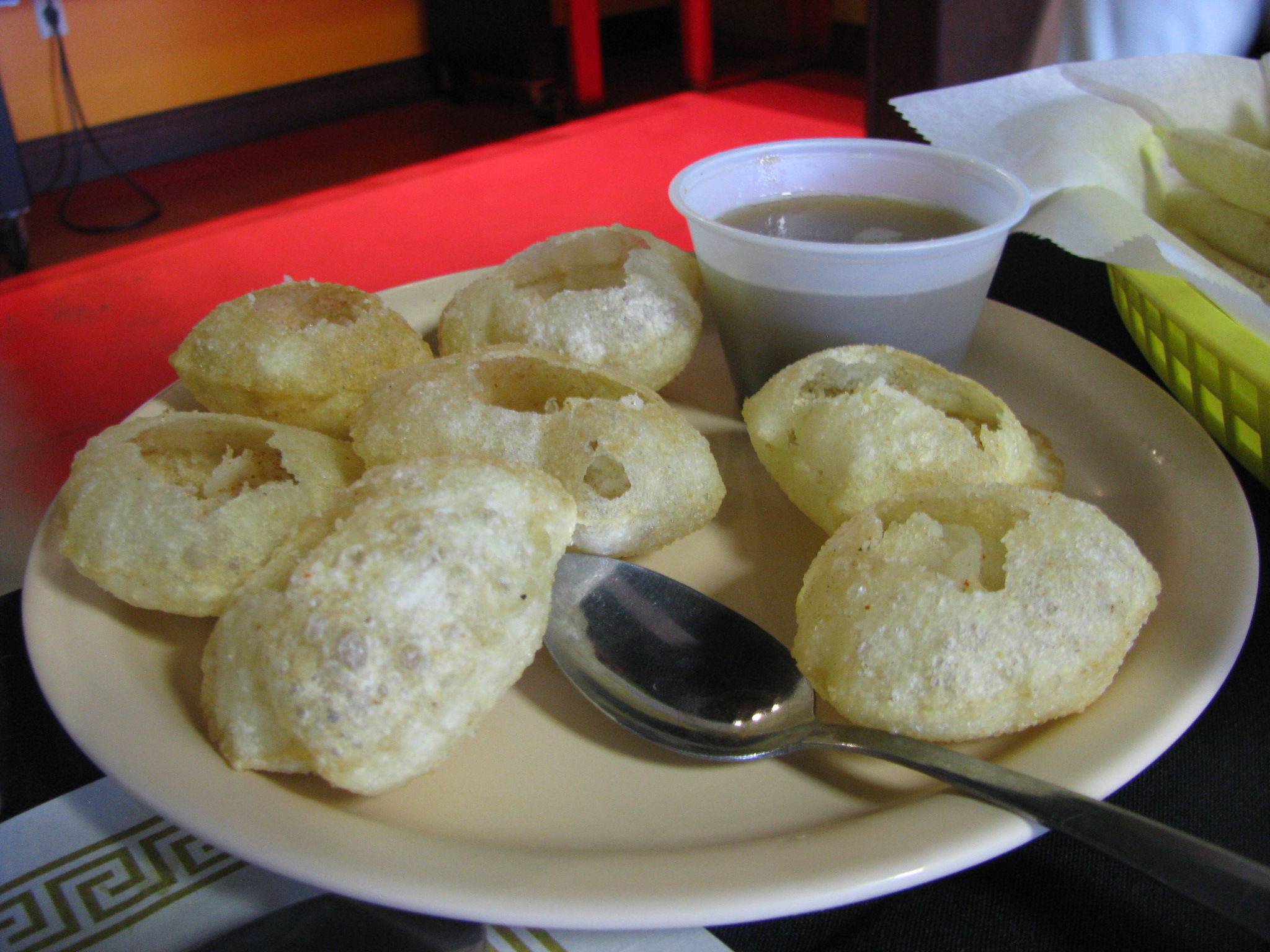
The pani puri were a notable hit, small round crunchy puffs into which you pour a spicy broth before eating.

You would be correct in thinking that this is already a lot of food, especially given the set price of $12.95 but the buffet component of the meal is still to come. The buffet consists of choices of an appetizer (potato pakora), vegetable curries, daals, steamed rice, special rice, chutneys, vada (a lentil flour donut) and a dessert (halwa). The buffet changes daily and is different even from lunch to dinner on the same day.

Just when you think you can’t eat or drink anything more, its time for masala chai, milky tea served (we suspect for western tastes) unsweetened. We were there at closing time and were offered any leftovers that we wanted to take home from the buffet.

The owner Kamal Panchal and his wife are extremely friendly and passionate about their food. They enthusiastically explained the dishes to us and patiently answered all our questions, even bringing some khus syrup to the table for us to taste. Kamal is an animated and entertaining story teller. Banana Leaf is very good value and a great introduction to southern and western Indian food.

There is more information about the a la carte menu and buffet options on Banana Leaf’s website as well as a $1 off coupon valid until the end of the year.

Salam Market and Bakery

Cuisine: Middle Eastern
5676 Emporium Square (Columbus Square Shopping Center)
614.899.0952

Click here to map it!

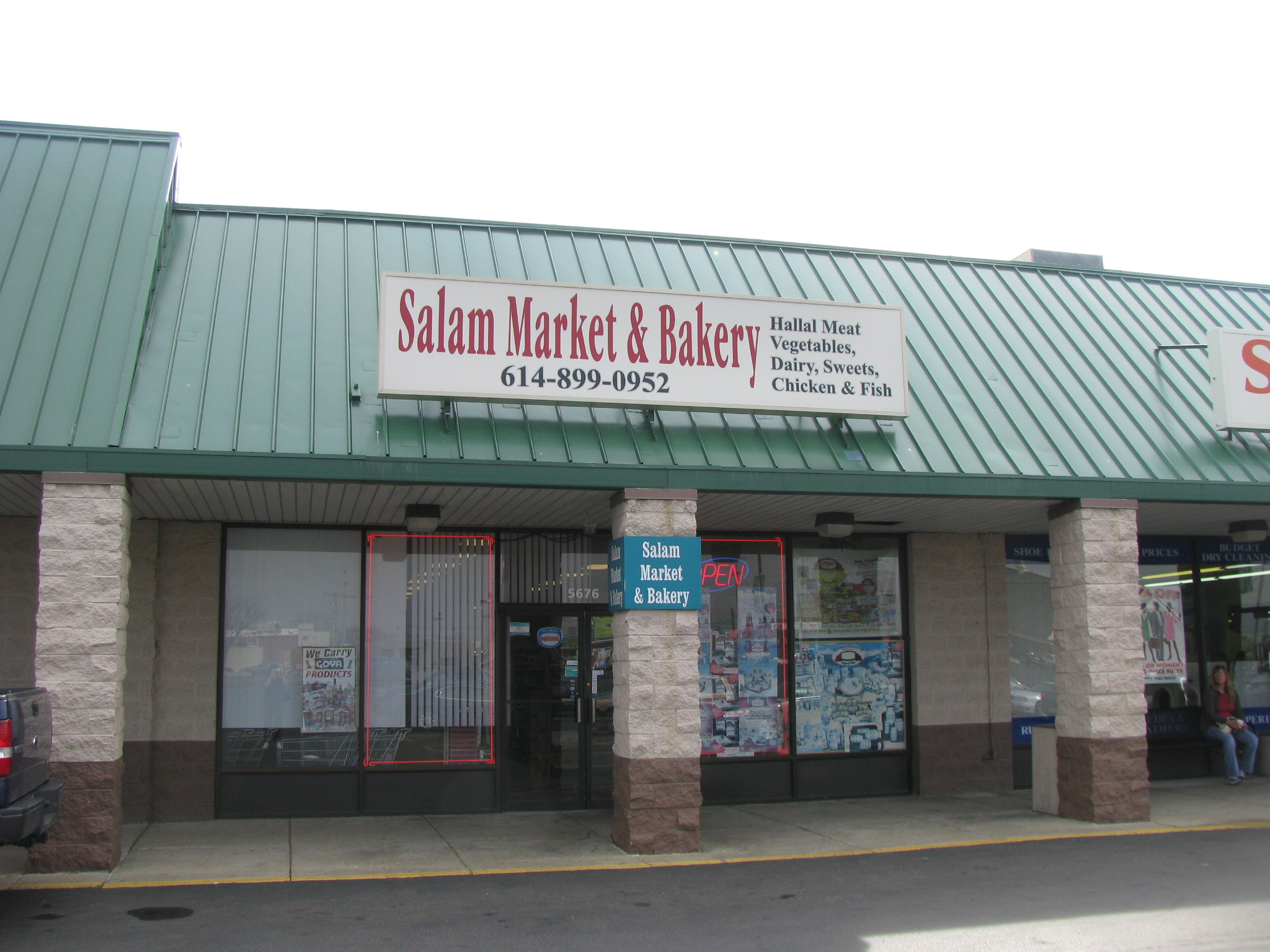
There are lots of ethnic markets in Columbus that offer far more than you might guess from first glance: Arirang, Mecca and Salam, just to name a few. Salam is a wonderfully organized, clean grocery store where you can stock up on dates, olives and spices, but it is also a halal butcher (and the first place I have seen lamb tongues) and a bakery. We had heard rumors about the meat pies at Salam and were determined to try them. Our first attempt was unsuccessful and we learned the hard way that they sell out by lunchtime. Our perseverance paid off: These pies are seriously good.

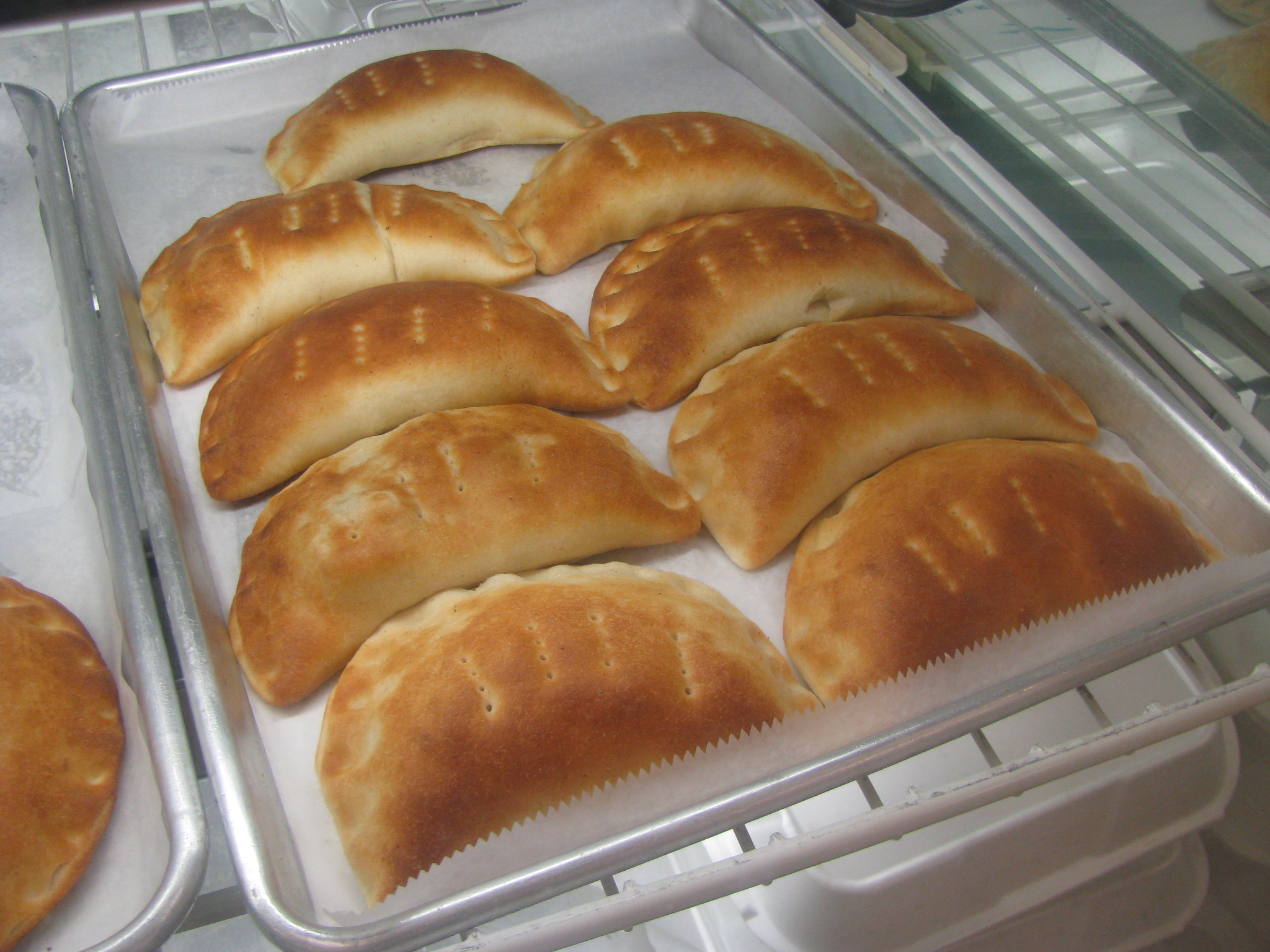
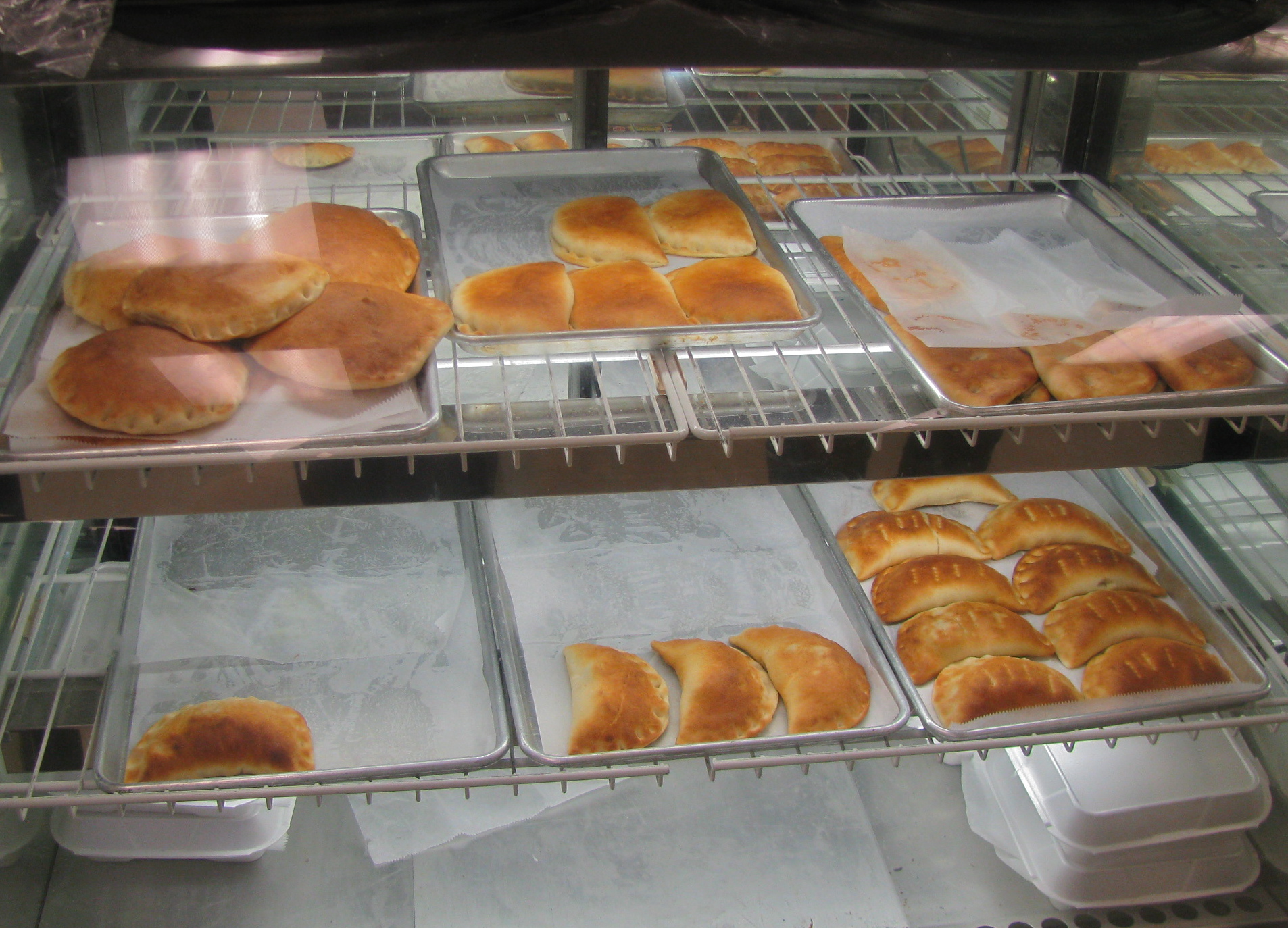
Our early start was rewarded with a choice of six pies (three vegetarian and three meat): cheese, chicken, spicy kebab meat, zatar, falafel and a larger chicken pie. The regular pies were $1.50 each and the larger chicken pie was $1.99. The pies, which of course reminded me of Cornish pasties. were made from pita dough made fresh that morning.

We chose the cheese, chicken and kebab options, all still warm from the oven. The gooey cheese (possibly halloumi – we didn’t ask) was buttery and salty and fairly mild flavor-wise. It would be good with some chutney or hot sauce. The chicken and the kebab were chunky tomato and onion based sauces with meat. The kebab (of the ground and seasoned meat variety) had some chili heat and the chicken was milder but fragrant with cardamom. The bread was light and soft and it wasn’t hard to see why these sell out quickly.

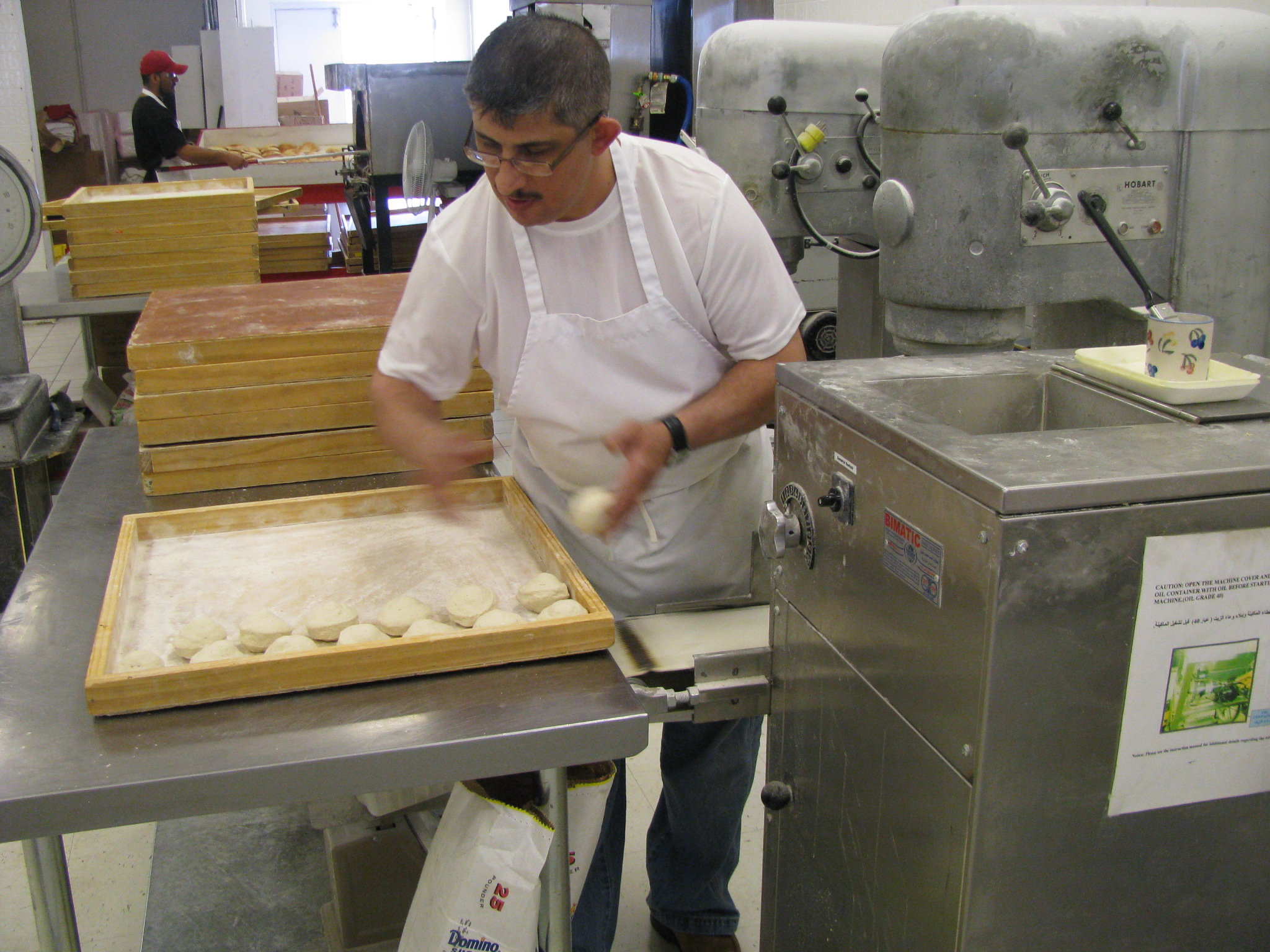
The open kitchen means that you can watch them making pita bread (they supply restaurants such as Jeddo Kebab and Lavash). The dough is mixed and kneaded, divided into balls, rolled into rounds and left to rise before it is baked. The guy in the red cap is taking hot pita breads out of the oven.

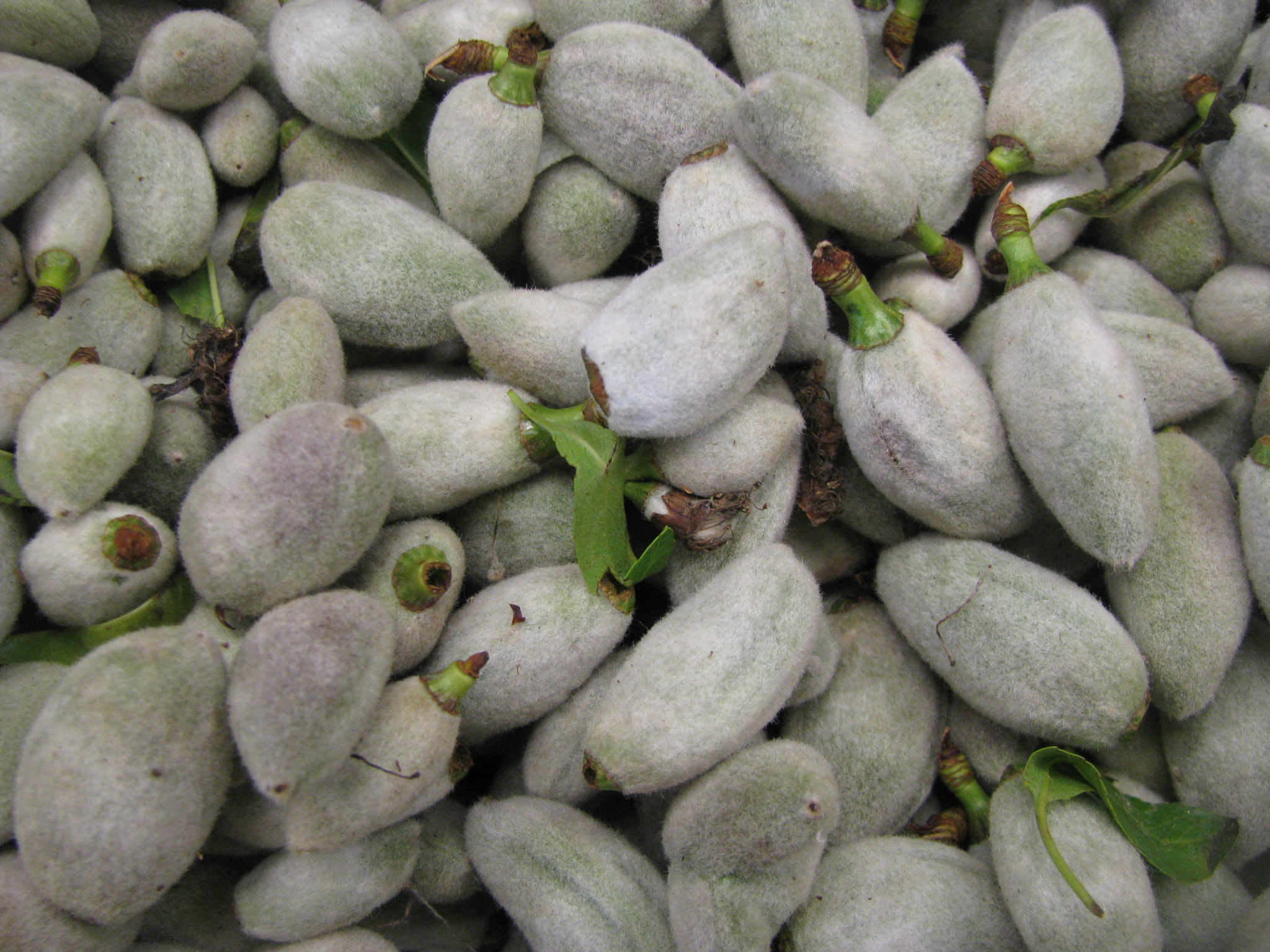
The pies were not labelled but the staff were friendly and happy to explain the fillings and prices, and let us watch what they were doing. As well as buying our pies we also explored the stores and found these interesting green almonds, a Middle Eastern spring time snack.

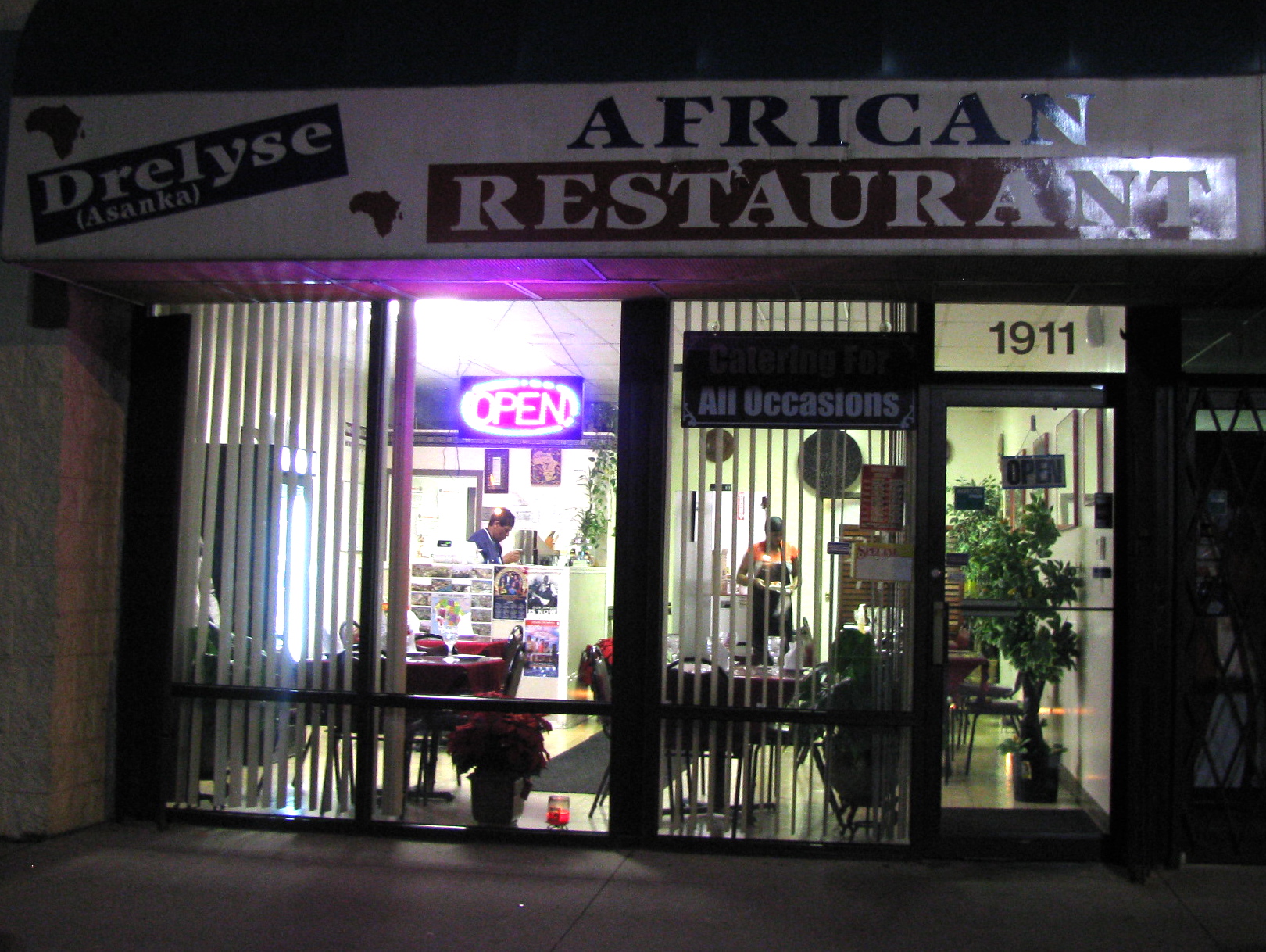
Drelyse

Cuisine: Pan-African (Ghanaian, Senegalese, Tanzanian, Sierre Leone)
1911 Tamarack Circle
614.430.3350

Click here to map it!

Having struck out on the first couple of places we intended to try last night, we didn’t have high hopes for Drelyse being open either. They clearly weren’t, going by the signage on the door, but the door wasn’t locked and people were inside so we thought we’d grab a to-go menu and continue on.

Sayid, the (co?)owner and husband of the chef, wasn’t going to let us go so easily. Clocking us for first-timers we were, he graciously invited us to sit and promised to feed us the ‘best African food in the city’.

Hey, why not?

We started off with some small bite ($1.00 each) sambusas, vitumbua, and a nem spring roll.

The sambusas (triangular pockets filled with beef and spice) were wrapped in a thin phyllo-like shell that was nicely fried.  The spicing was minimal, leaving the experience to be that of the crunch of the shell and the flavor of ground beef.

The vitumbua was more interesting – this traditionally Tanzanian breakfast food is something of a thick, bread-like rice patty made with coconut milk. Flavor was subtle when eaten alone – toasted crust of the exterior and just a hint of sweetness from the coconut were the main impressions – but when paired with the provided hot sauce it came into its own.

The nem was our favorite of the three and we wished we had ordered more than one. I believe they were made with pork and shrimp and seemed more Asian than African. They were really succulent and needed no accompaniment.

We were also given a taste of the beef peanut butter soup which was extremely hot (spice) with an intensely meaty broth.

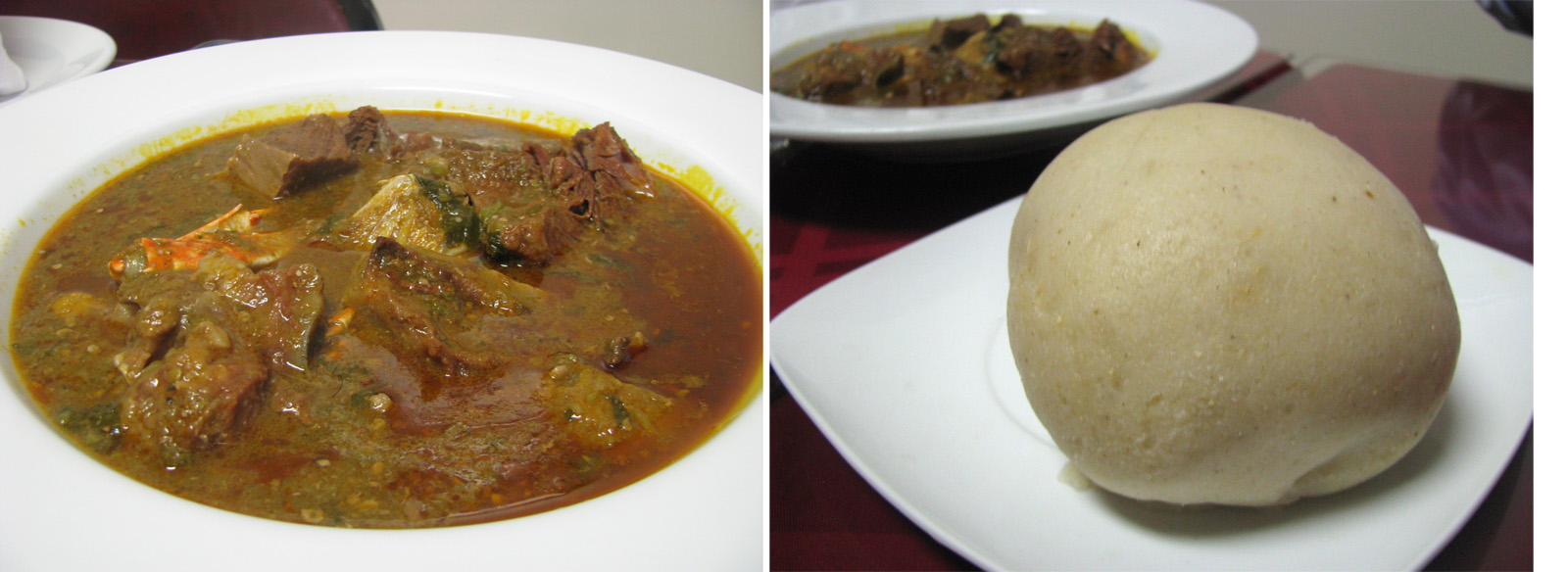
As we finished these, our mains appeared – jollof rice with goat, okro (okra) stew with banku, and waakye (rice & beans) with chicken.

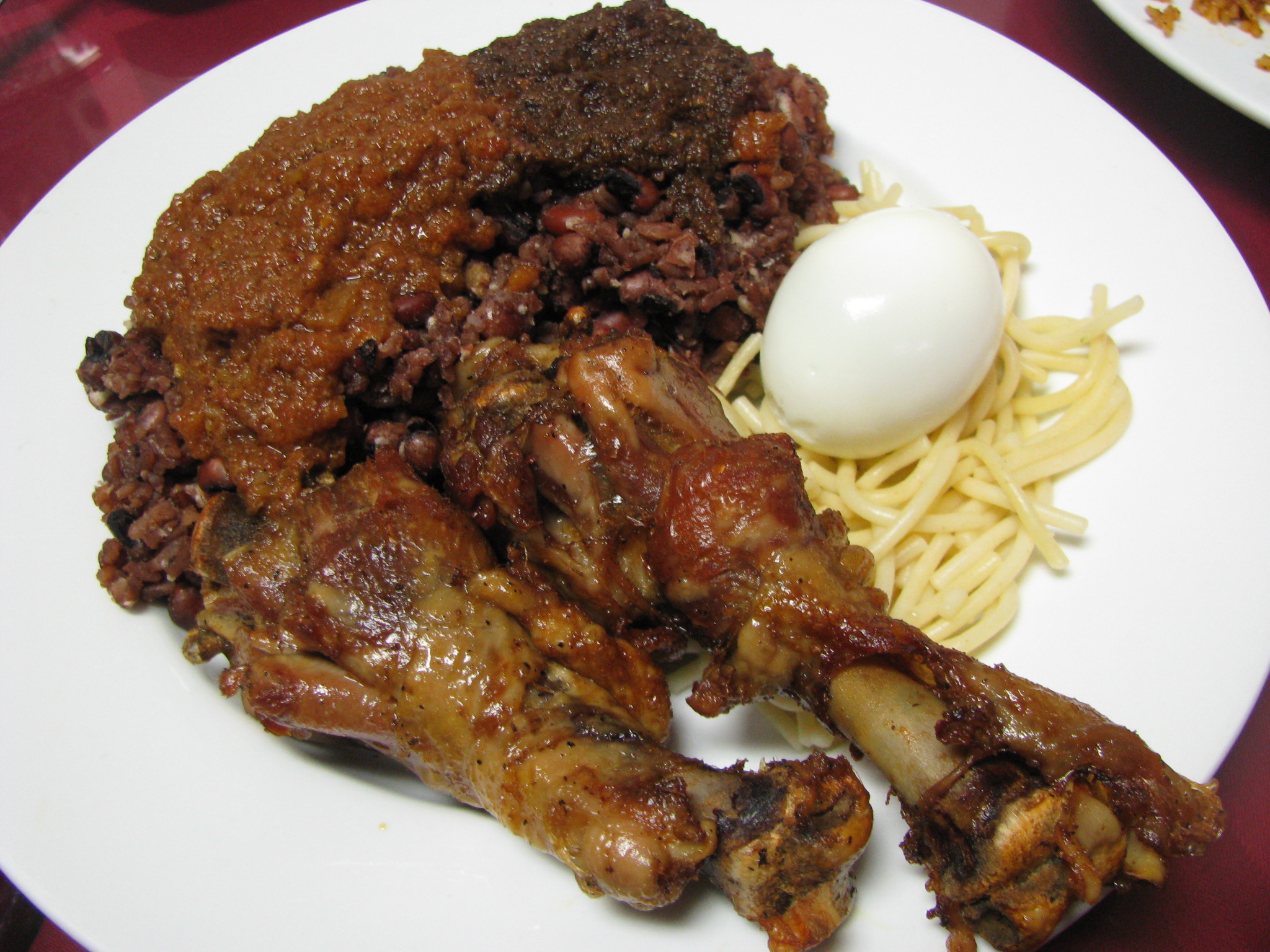
Waakye (pronounced watch-EH), we are told, is the national dish of Ghana.  It’s little more than rice and beans, and if our experience is any indication, comes to life based upon the sauces atop it.  The reddish sauce was similar to what came with the vitumbua.  The darker sauce was fascinating – it had a mild fishiness from crayfish, a bit of a nuttiness, and finished with a spicy bite.  It made the dish for me.  The chicken was what you’d hope for from a carefully prepared grilled chicken, and the hard boiled egg and pasta garnish were entirely as expected.

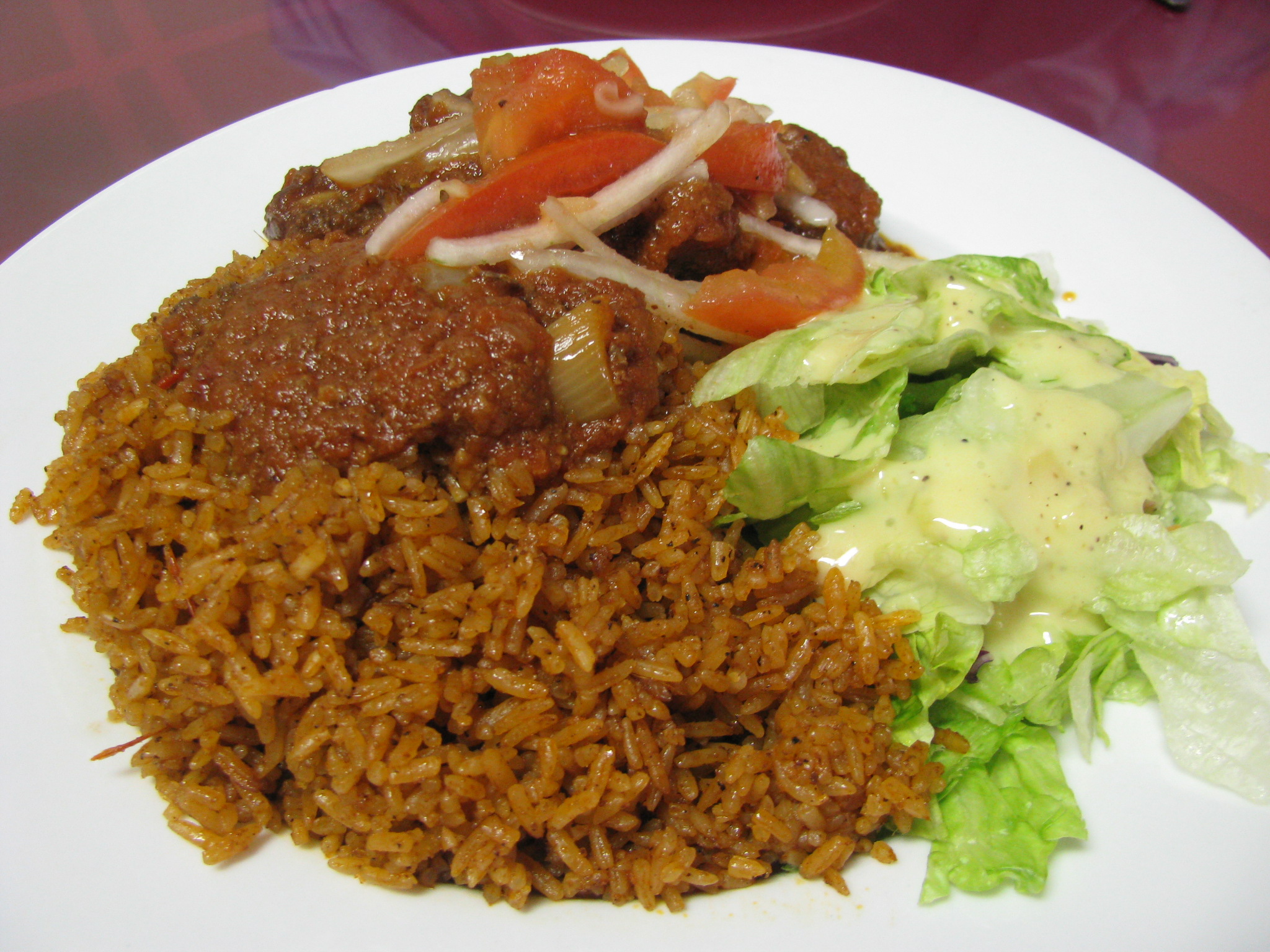
The jolof rice was a potently seasoned concoction – red pepper for sure, and more herbs and spices beyond that than I could even begin to discern.  Cooked with tomato, tomato paste, and sauteed onions, this was a pleaser.  The goat, served on-the-bone, was tender and flavorful.

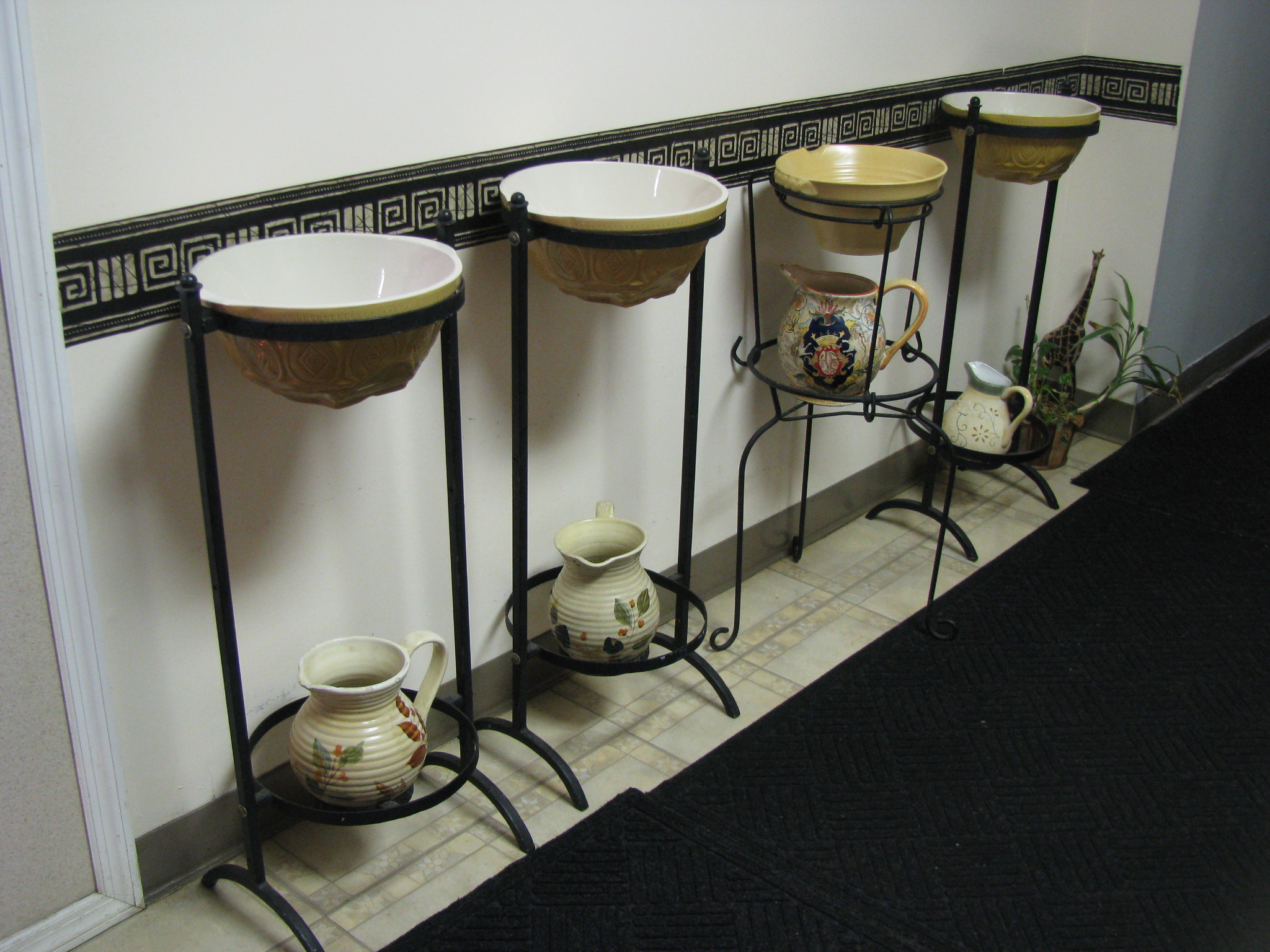
Finally, we tried the okra stew with banku. Since banku is used in lieu of utensils, this dish is preceded by the washing of hands at the table using the pitchers and bowls seen above (they’re brought to the table, and the server pours water over your hands with the pitcher.)

The banku (top right) is curious stuff, essentially a ball of dough, but far less tacky.  Lacking the words to describe it myself, I’ll defer to the experts:

“Banku: Fermented corn/cassava dough mixed proportionally and cooked in hot water into a smooth whitish consistent paste.”

We tore off a few pieces, and used them to pinch a few morsels out of the stew.  Or, at least we tried to.

Let me pause for a moment, and reflect on the word mucilaginous, as it is a common characteristic of some African okra dishes. It, stripped of elaboration, basically means gooey.  In this case, very gooey – slimy, actually.  It also meant that the okra dish resisted the banku in the same way that oil resists water.

Our server looked on, amused, as our pinching motions squirted hunks of beef across the bowl.  Defeated, we reluctantly returned to forks and spoons… only to feel the sting of defeat once again.

The goo!  We pride ourselves on being adventurous eaters, and operate under the assumption that any traditional dish that is widely consumed by any culture must have some measure of accessibility for the open-minded. This one, though… it resisted our best attempts to suss out its hidden charms (because they were slathered in goo.)

Beyond the okra, though, we found the meal to be quite satisfying. Governor Strickland feels similarly, and has used Drelyse as a caterer for events at his mansion. Drelyse has a significant vegetarian offering – covered in more depth here – and service is extravagantly attentive.

Also worth noting – Drelyse is planning to open its patio soon.  Expect kebabs and other grilled dishes once this happens.

Restaurant Silla

Cuisine: Korean
1802 West Henderson Road
614.459.5990

Click here to map it!

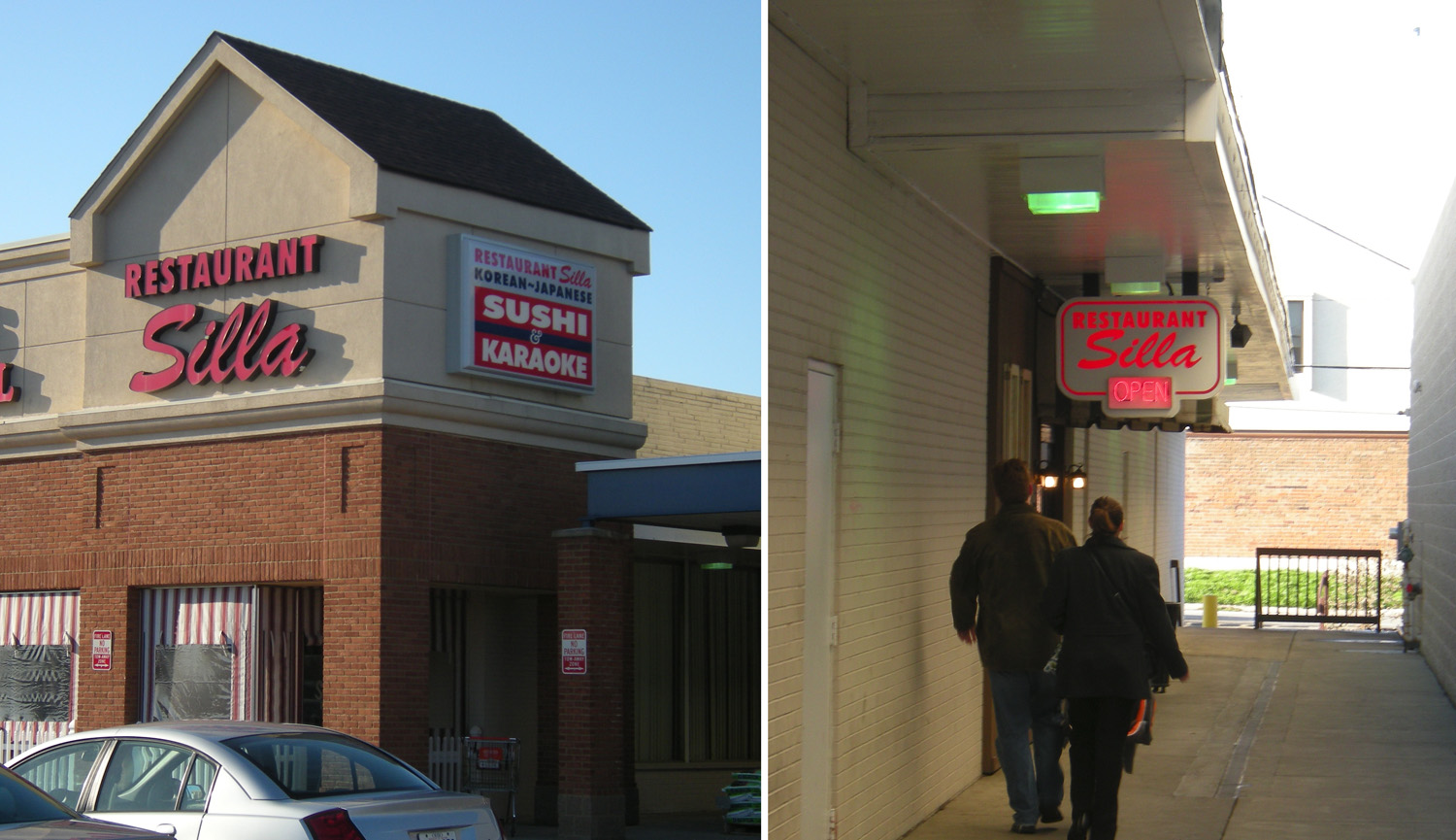
Restaurant Silla (pronounced SHILL-uh) dances on the border of what might or might not fall under the umbrella of alt.eats. Going against it is its longevity (in operation for 20 years) and the scads of reviews that paper the entry and give us every reason to believe it has been more than adequately covered.  On the other side of things, it’s in a location that you’d never find if you weren’t on a mission (see photo above), and in spite of all of the coverage very few people seem to know about it.

That last part seems a shame, as Silla puts out some great Korean food.  So, here goes…

Silla occupies a large space – on the order of twice what you see above – and includes a bar, sushi bar, and a stage for karaoke and other diversions. Cleanliness is an obvious priority.

Service was great.  By reputation, this isn’t always the case – aside from the occasional grumbling you come across online, we’ve heard stories to the effect that non-Koreans have been strongly encouraged to stay within a ‘foreigner friendly’ range of menu offerings.  We experienced nothing of the sort on our visit, though, and we hope that means they’ve sorted through the issue.

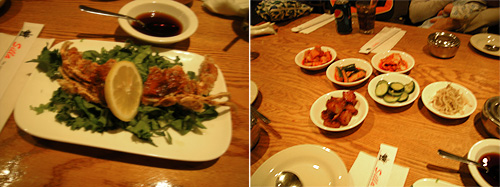
Our fried soft shell crab appetizer and banchan came out first.  The crab, served on a bed of lettuce with a lemon slice, was nicely fried (not too oily), pleasantly crunchy, and only minimally fishy. Banchan included bean sprouts, marinated cucumbers, pan fried potatoes, and three types of kimchee (cabbage, turnip, and cucumber).  All were good, and the non-kimchee offerings pleased with the flavor of sesame oil.

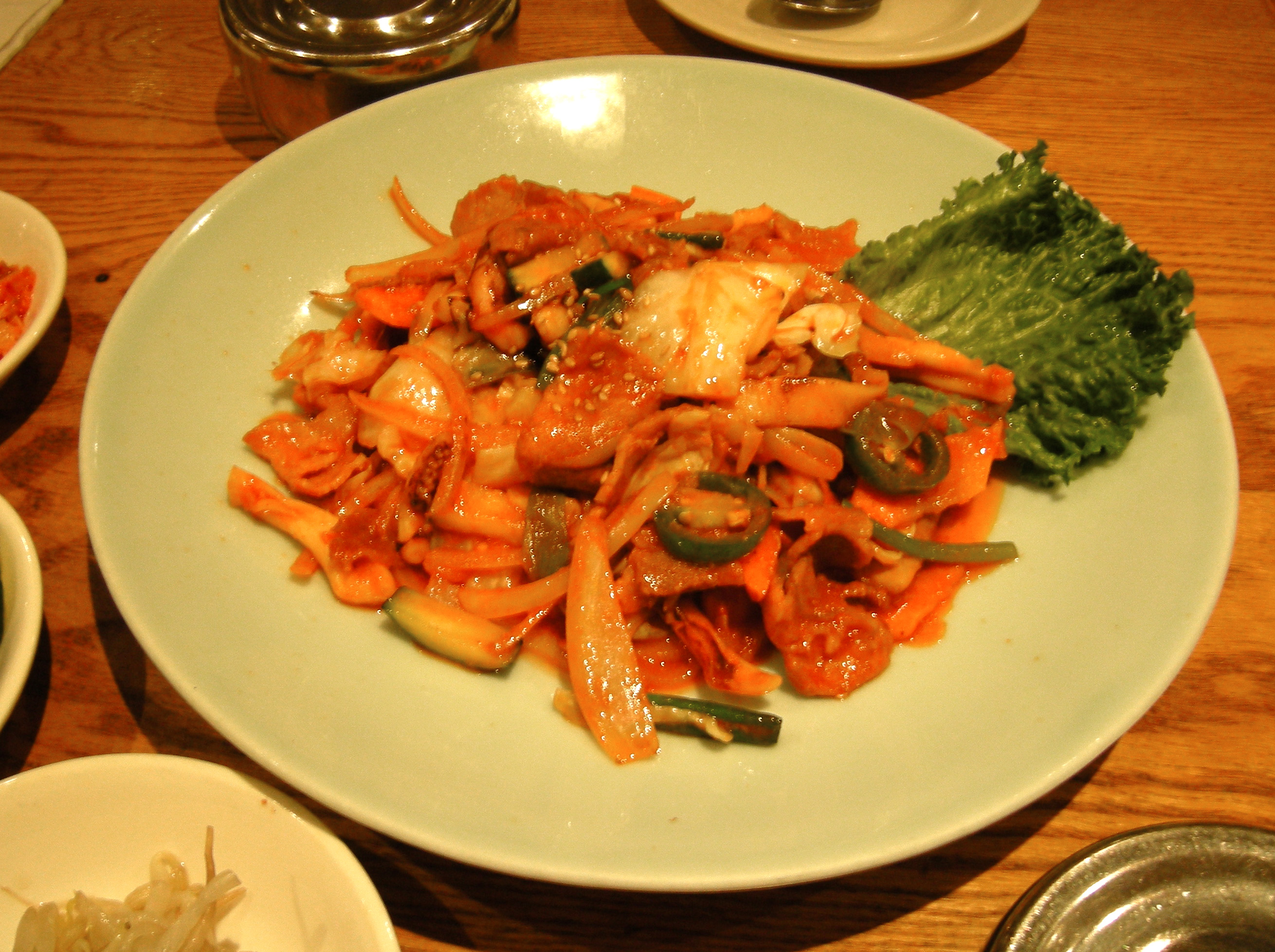
The first dish we tried was oh sam bul go gi –squid and pork mixed with vegetables in a spicy sauce.  The sauce was sweet, garlicky, and appeared to be kimchee based (which is to say hot), and coated the tender slices of pork, slightly chewier than ideal squid, and crisp vegetables.  A few jalapenos were thrown into the mix, just to drive the dish’s sinus clearing mission home.

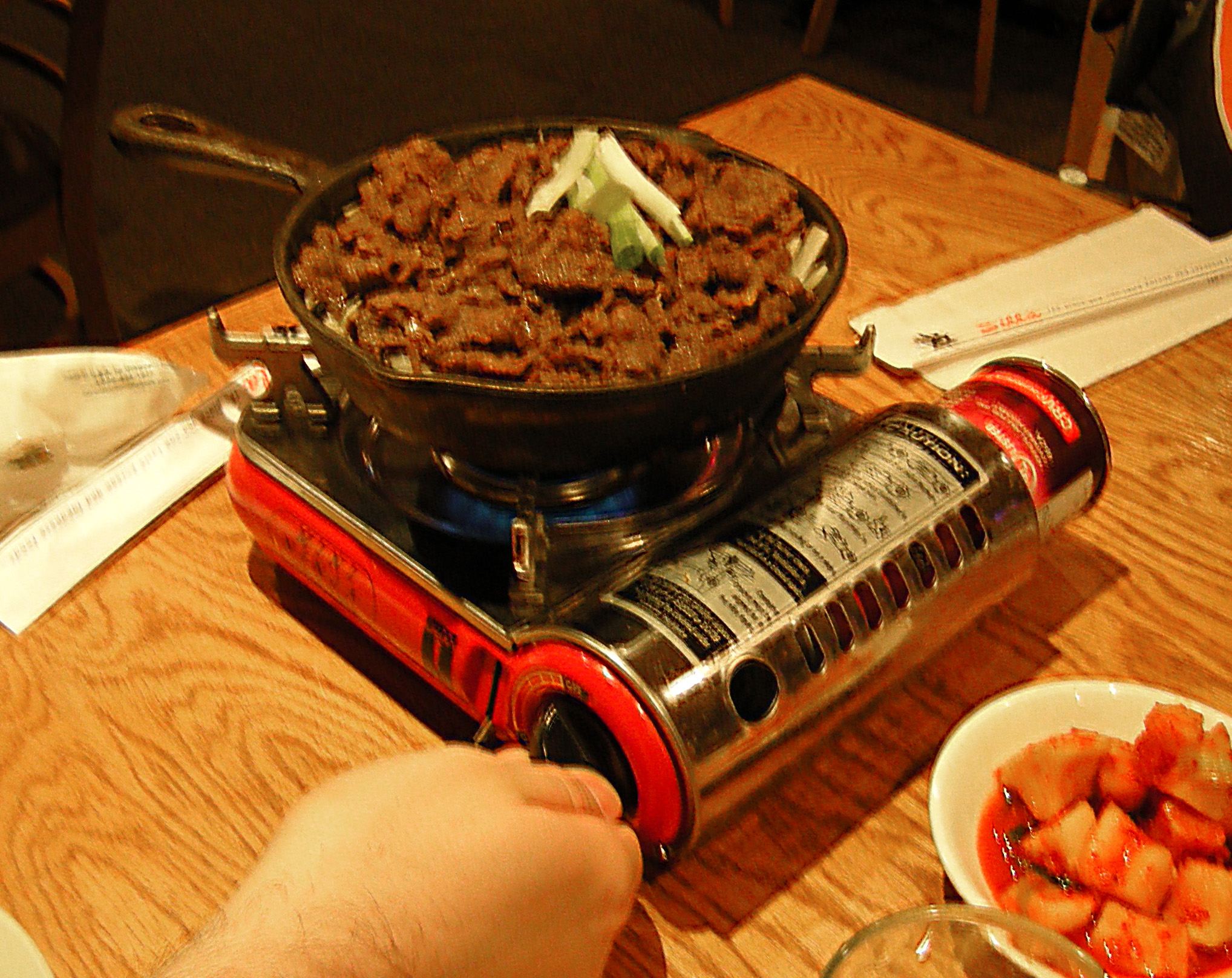
Next, the beef bul go gi, which had been sizzling away in a cast iron pan atop a portable burner.   It was brought to the table cooked rare, and the burner allowed us to finish to our liking.  It’s a simple dish – marinated beef with green onion and garlic in the mix, and unsurprisingly, a crowd pleaser.

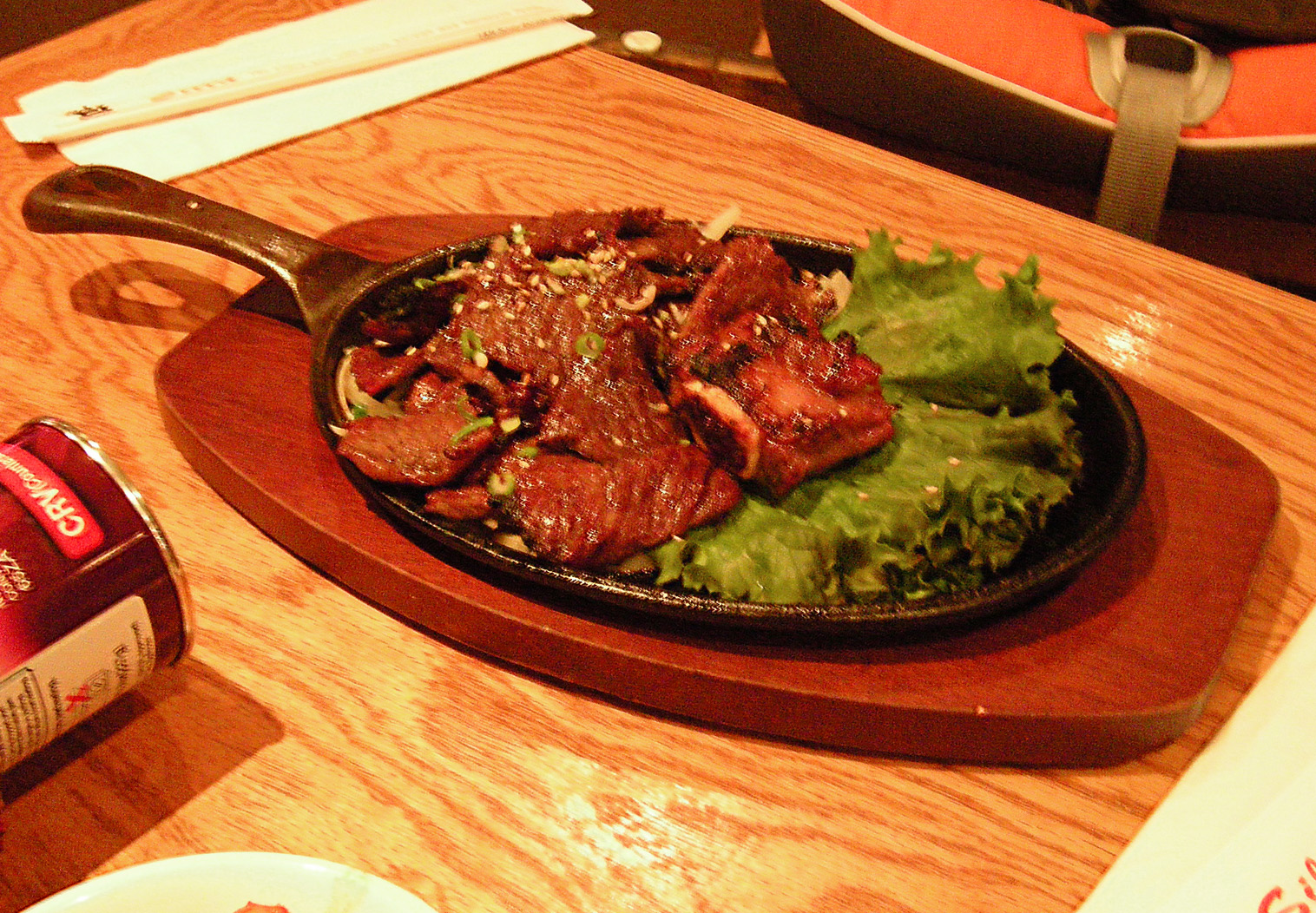
As was the kalbi – another straightforward beef dish, and one that a) always feels like a waste of an opportunity to try more novel Korean fare, and b) I am unapologetically smitten by, especially as prepared by Silla.  What could be simpler – beef ribs marinated in soy sauce, garlic, and sugar?  The magic is in the execution, in how Silla gets that grill-charred exterior without sacrificing tenderness.  The big beef flavor of this dish should take the edge off of the sharpest of steak cravings.

On previous trips, we’ve tried the bi bim bap as well as a few other items, and all were solid.  Silla has a significant sushi offering, but we have not yet sampled from it.  There are several vegetarian offerings (though strict vegetarians should inquire about sauces), and pescetarians should be very happy here.